Match Flock Size to Usable Forage
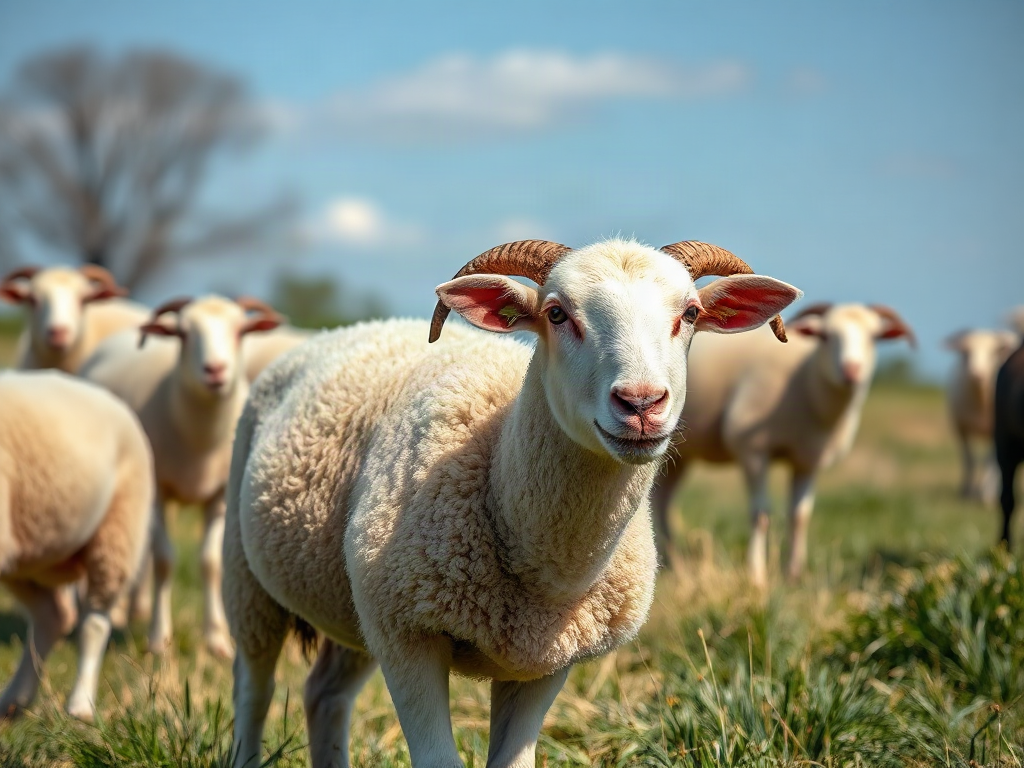
Usable forage, not total acreage, sets the practical flock limit. A parcel may include a house, driveway, wet corner, shade-heavy strip, steep bank, or sacrifice area that produces little grazing. Measure the land the sheep can actually reach and eat, then assess how its growth changes across spring, summer, drought, and winter. A lush field photographed in May does not prove that the same field can carry the flock in August.
Stocking recommendations vary with rainfall, soil, plant species, fertility, slope, grazing history, and animal size. For that reason, a universal sheep-per-acre number is a weak planning tool. County or regional extension guidance can provide a local starting range, but a beginner should still stock conservatively. Starting with two to four compatible ewes often reveals more about the property than buying a larger flock based on an optimistic acreage formula. Sheep are social animals, so keeping one alone is generally a poor arrangement.
Estimate demand across the whole year rather than treating pasture as the only feed source. Ewes carrying lambs or producing milk need more nutrition than dry, mature ewes. Growing lambs also place heavier demands on high-quality forage. If the pasture slows for six weeks, the options are to feed hay, move animals to another grazing area, reduce numbers, or accept damage to both forage and animal condition. The cheapest choice in the moment—leaving sheep on depleted ground—often creates a longer recovery problem and raises exposure to parasite larvae near the soil surface.
A useful starting inventory records grazeable area, dominant plants, bare patches, drainage, shade, water access, and the number of days each area stays productive. Revisit those notes every two weeks during the growing season. Compare forage height before and after grazing, but do not rely on height alone; stemmy mature plants may be tall yet offer limited edible leaf. Photos taken from fixed points make declining ground cover easier to recognize.
The common failure is stocking for peak spring growth and assuming surplus grass will continue. A safer approach keeps enough financial and physical capacity to feed hay earlier than expected. Readers developing a broader plan for Sheep farming for beginners with modest pasture should treat conservative stocking as a risk-control decision, not unused potential.
Divide and Rotate a Small Pasture
Rotation gives grazed plants recovery time; it does not create forage that the land cannot grow. Sheep should enter a paddock with adequate leafy material, graze for a limited period, and leave before repeatedly biting fresh regrowth. The next entry should be based on plant recovery rather than a rigid calendar. Cool, moist conditions may produce quick recovery, while heat or dry weather can extend it sharply.
On modest acreage, a simple system usually outperforms an elaborate layout that is difficult to maintain. A secure perimeter fence can contain several temporary subdivisions made with electrified netting or multiple wire strands, provided sheep have been trained to respect them and the energizer is properly installed. Temporary fencing makes paddock size adjustable as growth changes. Permanent interior fencing costs more and reduces flexibility, but it may be worthwhile around lanes, water points, or areas used frequently.
Consider a property with one main field and a smaller dry lot beside the shelter. The flock might graze a subdivision briefly, move through the remaining cells, and use the dry lot when pasture is saturated or growth has stopped. The dry lot prevents hoof traffic and close grazing from damaging every paddock at once. It is not a feed-free holding space: sheep confined there need suitable hay, water, minerals, shade, and manure management.
Before each move, check four things:
- Leaf remaining: Enough plant material should remain to support recovery and protect the soil.
- Regrowth: Do not let sheep stay long enough to graze tender shoots that appear after the first bite.
- Ground condition: Hoof prints, mud, and uprooted plants signal that animals should leave wet ground.
- Animal response: Persistent bawling, fence pressure, empty-looking rumens, or rapid loss of body condition can indicate inadequate intake.
Shorter stays may reduce repeated grazing and help distribute manure, but rapid movement is not automatically better. Tiny paddocks can create crowding around water, encourage fence challenges, and require daily labor. Conversely, leaving sheep in one field for weeks lets them repeatedly select favored plants while weeds and coarse grasses mature. The sensible middle ground matches paddock size and movement frequency to forage supply, flock behavior, and the keeper’s ability to inspect fencing.
Mowing, clipping, or mixed-species grazing may help manage rejected vegetation, but none substitutes for correct stocking. If every paddock returns thinner after each cycle, increase recovery time, add feed in a non-pasture area, or reduce the flock. Rotation is working when ground cover remains dense, desirable plants recover, and the animals maintain condition without continually testing barriers.
Plan Fencing, Water, Shelter, and Handling
Infrastructure should control sheep safely on an ordinary day and during the inconvenient moments when one is sick, frightened, or newly arrived. The perimeter is the highest priority because temporary subdivisions cannot compensate for an insecure boundary. Woven wire is commonly used for physical containment, while well-maintained electric fencing can add deterrence. Openings, low spots, gates, and places where soil has washed away deserve particular attention.
Predator pressure differs by location, so fence design and guardian choices must reflect local conditions. A livestock guardian dog, llama, or donkey is not a universal plug-in solution; each adds feed, training, fencing, temperament, and welfare considerations. Small flocks near homes may benefit more from secure night confinement or improved perimeter protection. Ask nearby sheep owners and local extension personnel what threats are actually present before adding another animal to solve an assumed problem.
Water must remain clean, reachable, and dependable in every grazing arrangement. A full trough in one field does little for sheep behind a closed subdivision fence. Long hose runs can lose pressure, exposed lines can heat or freeze, and lightweight containers can overturn. Test the system during expected peak use and keep a backup method for outages. Locate troughs on firm ground when possible; chronic mud near water increases mess, hoof exposure to wet conditions, and pasture damage.
Shelter needs depend on climate, breed, fleece condition, lambing plans, and exposure. Sheep generally need relief from severe wind, driving rain, intense sun, or other locally hazardous weather, but a sealed building with poor ventilation can trap moisture and contamination. A dry, well-ventilated three-sided structure may serve adult sheep in some climates, whereas lambing or extreme weather may require more protected space. Never assume wool makes freshly shorn, ill, thin, or newborn animals weatherproof.
A modest handling area is as valuable as a shelter. Gates or portable panels can form a small catch pen and narrow working space for body-condition checks, hoof examination, identification, treatment directed by a veterinarian, and loading. Trying to catch sheep by chasing them around a pasture increases stress and makes delayed care more likely. Smooth surfaces, secure latches, and an escape route for the handler matter more than polished construction.
Before animals arrive, walk the complete boundary, energize and test electric components, fill every water container, and practice closing the catch pen. Remove loose wire, sharp metal, toxic debris, and places where a sheep could trap its head. An infrastructure review is a central part of Sheep farming for beginners with modest pasture because correcting failures before purchase is usually easier than doing so with loose or stressed animals on the property.
Manage Feed, Health, and the First Year
The first year should be managed as a monitored trial rather than a race toward breeding and flock expansion. Buy healthy animals from a source that can explain age, health history, feeding, and previous management. Locally adapted sheep may fit the climate and forage better than animals selected only for appearance or breed popularity. Beginners with little handling experience may find calm, mature ewes easier than bottle lambs, intact rams, or animals with unresolved health problems.
Hay is the main bridge when pasture is dormant, snow-covered, drought-stressed, or being rested. Secure a supplier and storage area before the seasonal shortage arrives. Hay should be protected from weather and ground moisture, and changes in feed should be gradual. Grain is not an automatic requirement for every sheep; unnecessary or abrupt concentrate feeding can create digestive and mineral-balance problems. Nutritional decisions should reflect forage quality, age, pregnancy, lactation, growth, and body condition.
Use a mineral formulated for sheep rather than assuming cattle, goat, or general livestock products are interchangeable. Sheep are sensitive to excessive copper, although exact needs and tolerances vary with diet and circumstances. Keep feed where other species cannot contaminate or consume it, and consult a veterinarian or qualified livestock nutrition professional when balancing rations. Clean water and suitable forage remain foundational; supplements cannot repair chronic underfeeding or spoiled hay.
Parasite control deserves a farm-specific plan. Routine deworming by the calendar can promote drug resistance and may treat animals that do not need it. A veterinarian or local extension service can help establish appropriate monitoring, fecal testing, drug selection, dosing, and follow-up for the region. Pale eyelids, bottle jaw, diarrhea, poor growth, rough appearance, or weight loss warrant prompt assessment, but those signs are not proof of a single cause. Underdosing based on guessed weight is another avoidable mistake.
Keep a simple record for each animal and the flock: purchase details, identification, body-condition observations, hoof issues, treatments, test results, breeding dates, lambing outcomes, deaths, and feed purchases. A monthly hands-on body-condition check catches changes hidden by wool more reliably than looking across the fence. Quarantine arrangements for new or returning animals should be discussed with a veterinarian because disease and parasite risks vary.
Delay keeping a ram until breeding is intentional, facilities can contain him, and lambing labor has been considered. Renting or arranging outside breeding may reduce year-round feed and handling burdens, though it introduces transport and biosecurity decisions. If pasture remains covered, hay use matches the budget, sheep hold appropriate condition, and routine handling is manageable after a full seasonal cycle, expansion can be considered. If not, improve the system before adding mouths. That measured approach keeps Sheep farming for beginners with modest pasture tied to observed capacity rather than hopeful estimates.
Frequently Asked Questions
How many sheep can modest pasture support?
No single number applies everywhere. Base the flock on grazeable acreage, seasonal forage growth, animal size, and available hay, using local extension estimates only as a starting point.
Can sheep live on grass alone?
Good pasture may meet many needs during active growth, but sheep still require clean water and appropriate minerals. Hay or a balanced ration may be needed during dormancy, drought, pregnancy, lactation, or growth.
Do beginners need a ram?
No. A ram adds containment, handling, and year-round feeding demands. New keepers can begin with nonbreeding ewes and arrange breeding later after facilities and lambing plans are ready.
How often should sheep move to fresh paddocks?
Move them before they repeatedly graze new shoots, then wait for adequate plant recovery. Weather, soil moisture, forage species, and flock demand matter more than a fixed number of days.
What is the clearest sign that pasture is overstocked?
Repeatedly short forage, expanding bare ground, slow paddock recovery, rising hay needs, and declining body condition together indicate that animal demand is exceeding current pasture supply.
Conclusion
A workable small-pasture flock is built around observed forage supply, reliable containment, and the ability to feed animals when grass cannot. Measure only grazeable ground, begin below the property’s apparent peak capacity, and use flexible subdivisions with a dry holding area to protect recovering or saturated fields. Before buying sheep, confirm the perimeter, water delivery, weather protection, hay storage, catch pen, and access to veterinary support. During the first year, record forage recovery, body condition, parasite findings, treatment, and feed use across every season. Add sheep only after those records show spare capacity. If pasture thins or animals lose condition, respond early by resting ground, feeding appropriately, or reducing numbers rather than expecting rotation alone to solve a forage deficit.