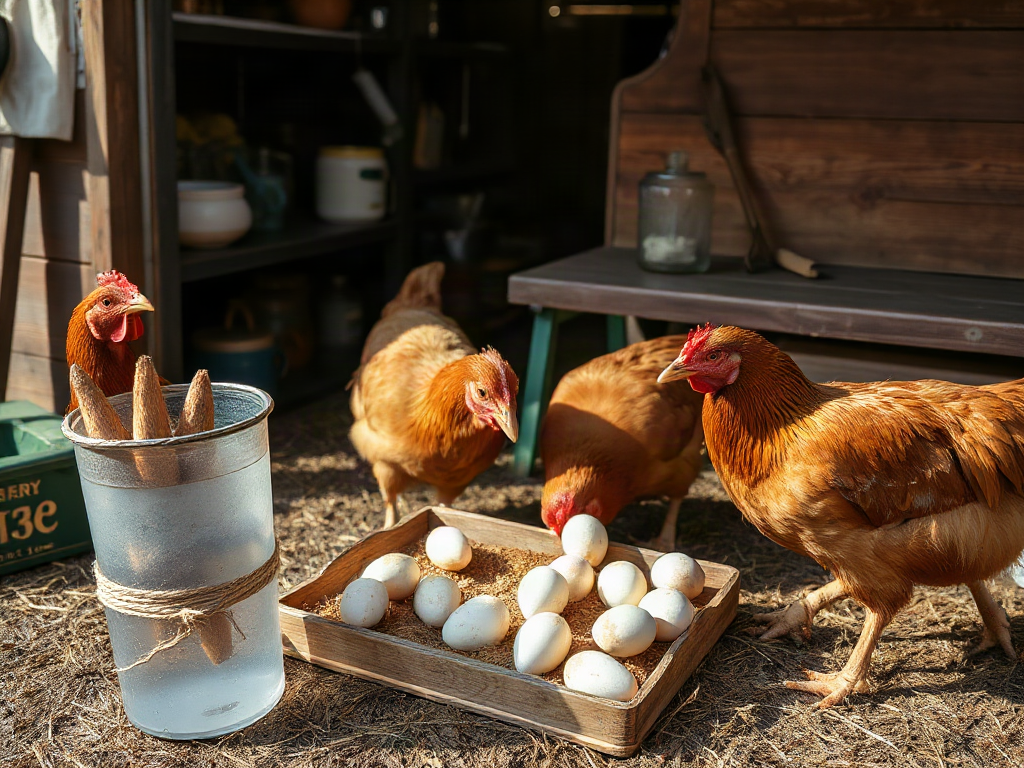
What homesteading tasks require daily attention usually include checking water, feeding and observing livestock, collecting eggs, inspecting gardens, managing food storage, and reviewing weather-sensitive chores. These routines matter because animals can become dehydrated quickly, leaks can waste limited water, pests may spread before damage is obvious, and spoiled food can create avoidable losses. A reliable order is to check people and animals first, then water systems, food production, buildings, and finally optional projects. Record unusual behavior, low water levels, damaged fencing, wilting plants, or changing temperatures so small problems receive attention before they become expensive repairs.
Daily Animal Care and Observation
Livestock care is usually the first daily responsibility because animals depend on a consistent supply of water, suitable feed, safe shelter, and prompt observation. Feeding is only one part of the task. A useful check includes watching how animals move, whether they approach food normally, and whether any individual is separated from the group. Changes in appetite, posture, breathing, droppings, or behavior may warrant closer observation and, when serious or persistent, advice from a veterinarian.
Water containers deserve a hands-on inspection rather than a glance from across the yard. A bucket may look full while its lower opening is blocked, and an automatic drinker may stop working because of a float, valve, or frozen line. Clean containers when buildup, algae, bedding, or manure is present. In hot weather, shaded water and additional checks may matter more than a rigid once-a-day schedule; in freezing weather, the afternoon check can reveal a problem that was not visible at dawn.
Egg collection, milking where applicable, and securing poultry or small stock at night also belong on the daily list. Leaving eggs in a warm nesting box increases the chance of cracking or contamination, while an unsecured coop can expose birds to predators. A common mistake is assuming that a healthy-looking herd needs little attention. Daily observation is valuable precisely because it establishes a baseline, making an abnormal change easier to notice.
Keep the animal round practical rather than elaborate. Feed and water first, observe each group, inspect gates and fencing along the route, then record anything unusual. The notes can be as simple as a date, animal, symptom, and action taken. That record is more useful than relying on memory when several chores compete for limited morning time.
Water, Food, and Storage Checks
Water management requires daily attention wherever a homestead uses a well, cistern, rain barrel, spring, pump, or gravity-fed system. Check the supply level, pump operation, visible leaks, and the condition of exposed hoses or fittings. A slow leak may not look urgent, but it can lower reserves overnight or soften soil around a foundation. Rainwater systems also need awareness of roof debris, overflowing barrels, and screens that become clogged.
Food handling has a similar rhythm. Fresh eggs, milk, garden produce, meat, and opened preserved foods should be checked according to their storage method and condition. A refrigerator thermometer can reveal a cooling problem before food feels obviously warm. Root-cellar shelves need a quick look for soft produce, condensation, rodents, or one spoiled item affecting its neighbors. Separate damaged produce promptly instead of leaving it in a shared bin.
Households often overestimate how much of this work is solved by buying storage equipment. A larger freezer does not replace temperature checks, rotation, or a record of what is inside. Likewise, a pantry stocked with dry goods still requires inspection for moisture and pests. The better comparison is not “technology versus no technology,” but passive storage versus storage combined with routine verification.
A short daily pass should answer four questions: Is water available where it is needed? Is any system losing water? Is fresh food being used or stored promptly? Has a storage condition changed? Add the relevant items to the same route used for animal care. Linking checks to an existing routine reduces the chance that a distant pump, greenhouse refrigerator, or back storage room will be forgotten.
Readers building a broader routine can use this daily homesteading task reference alongside a separate maintenance log. The purpose is not to inspect every tool each day; it is to catch conditions that can damage health, food, or essential supplies before the next work period.
Garden, Orchard, and Weather Monitoring
Growing areas need daily attention when plants are young, newly transplanted, under heat stress, or exposed to rapidly changing weather. The daily job is not necessarily watering every bed. It is deciding whether watering is needed by checking soil moisture near the root zone, observing wilt, examining containers, and considering recent rain. Shallow surface moisture can give a misleading impression, particularly in raised beds or sandy soil.
Walk through crops slowly enough to notice broken stems, animal tracks, chewed leaves, blocked irrigation lines, and early signs of disease. A few damaged leaves may be manageable, while a missing fence section can allow livestock or wildlife to destroy a bed overnight. Inspect fruit trees for fallen fruit and branches after wind. Remove diseased or rotting material according to the crop and local extension guidance, taking care not to spread contaminated tools or plant debris.
Weather determines which garden tasks become urgent. A forecast of high heat may shift watering to early morning, while strong wind may make staking or securing row covers more valuable than routine weeding. After heavy rain, check drainage, erosion, and standing water rather than adding more irrigation. A common failure is following a fixed watering calendar even when rainfall, soil type, shade, and plant maturity have changed.
Daily garden observation also protects labor. If a hand tool, hose, or trellis fails during a short harvest window, recording it immediately prevents the same interruption tomorrow. For a small holding, take one pass through food-producing areas and prioritize anything that could cause irreversible loss: dry seedlings, a broken irrigation connection, escaped animals, or ripe produce ready to harvest.
A Workable Daily Homestead Routine
A practical daily schedule is organized by consequence, not by the order in which chores happen to be remembered. Start with conditions that can deteriorate quickly: people, livestock, drinking water, pumps, and temperature-sensitive food. Follow with crops and structures, then choose project work only after essential checks are complete. This sequence prevents an enjoyable task such as splitting firewood or expanding a bed from displacing a leaking trough or an unsecured gate.
Many households benefit from two short rounds instead of one long inspection. The morning round covers feeding, water, milking or egg collection, weather-sensitive plants, and equipment needed for the day. An evening round confirms animal security, closes or covers vulnerable areas, checks freezers or pumps when relevant, and gathers anything that would attract pests. The second round is especially useful before severe weather or when predators are active.
Use a written list that reflects the actual property. A useful version might contain:
- Animal feed, water, behavior, fencing, and shelter.
- Pumps, tanks, hoses, troughs, and visible leaks.
- Greenhouse temperature, seedlings, irrigation, and ripe produce.
- Eggs, milk, harvested food, refrigeration, and pantry conditions.
- Gates, doors, electric fencing, weather damage, and urgent repairs.
Keep the list short enough to finish on a busy day. If it takes an hour to complete before work, separate essential checks from a longer weekly inspection. A “must happen” column might include animal water and freezer status; a “when time allows” column could include turning compost or reorganizing tools. That distinction protects reliability when illness, travel, or bad weather reduces available labor.
One useful test is whether another household member could follow the list without asking where supplies are kept or what a normal animal looks like. Labeling shutoff valves, keeping feed scoops in fixed locations, and writing down emergency contacts make the routine more resilient. If a task is repeatedly missed, change its location or trigger rather than merely adding more reminders.
Tasks That Can Wait Until Weekly Maintenance
Not every homestead activity requires daily attention. Deep-cleaning a barn, sharpening a full set of tools, repairing minor cosmetic damage, turning a large compost pile, and reviewing long-term planting records can usually be scheduled weekly or seasonally, provided they do not conceal an immediate safety or health issue. Distinguishing these jobs from daily checks reduces fatigue and makes the essential routine sustainable.
Frequency depends on risk and system design. A small flock with automatic water may need less hands-on filling than animals using shallow pans, but the automatic system still needs daily confirmation that it works. A mulched garden may require less frequent irrigation than exposed containers, while seedlings in trays can dry quickly. A locked pantry may need less frequent pest inspection than a feed shed with grain spills. The correct schedule follows the consequence of failure, not a universal homestead template.
Weekly maintenance should repair the causes found during daily rounds. Repeated low trough levels may point to a cracked fitting; recurring wilt may indicate uneven irrigation; spoiled produce may reflect poor ventilation or overfilled bins. Treating only the visible symptom creates a loop of repeated chores. Compare the cost of a small repair with the labor of checking the same failure every day.
Use daily notes to decide what moves into the weekly queue. If a gate was difficult to latch three times, repair it before it becomes an escape route. If water usage changes without an obvious reason, inspect the line and tank. If no problems appear for several weeks, do not eliminate the check entirely; reduce its duration or combine it with a nearby task. Reliability comes from maintaining the habit while refining the method.
For a more complete household system, connect the routine to food, water, and animal care priorities, then review the arrangement whenever the season, herd size, or available labor changes. Daily attention should protect essential living systems, not turn every homestead goal into a compulsory chore.
For crop, livestock, food-storage, and water-system questions, consult publications from your state university extension, the USDA, local conservation agencies, and qualified veterinarians or tradespeople. These sources can provide region-specific guidance that a general daily routine cannot, particularly for animal illness, food safety, well maintenance, and irrigation design.
Frequently Asked Questions
Do homesteaders need to work all day every day?
No. Essential checks may be brief, while construction, preservation, and repairs can be scheduled around available labor. The daily commitment is consistency, not constant physical work.
Which task should happen first in the morning?
Check drinking water and livestock before optional projects. Animals and water systems can be affected quickly by heat, freezing temperatures, leaks, or equipment failure.
Does a vegetable garden need watering every day?
Not necessarily. Check root-zone moisture, recent rainfall, temperature, soil type, and plant maturity. Watering by a fixed calendar can waste water or leave roots inadequately hydrated.
What should be recorded during daily inspections?
Note unusual animal behavior, low water levels, broken fencing, pump changes, crop damage, storage temperatures, and repairs that need follow-up.
How can a busy household reduce daily workload?
Combine nearby checks into one route, label equipment, separate essential tasks from weekly work, and correct recurring failures instead of repeatedly managing their symptoms.
Conclusion
Daily homesteading work is best measured by the consequences of missing a check. Animal water, feed, behavior, food storage, pumps, gates, and weather-sensitive crops deserve attention before projects that can wait. A short morning inspection and a focused evening round often provide better protection than an exhausting list that no one can sustain. Build the routine around the property’s actual risks: a freezer may matter more than a pantry, container seedlings may dry sooner than field crops, and an automatic trough still needs confirmation. Record small abnormalities, repair repeated failures, and move lower-risk chores to a weekly schedule. That approach preserves food, reduces preventable emergencies, and leaves enough capacity for the larger work of improving the homestead.