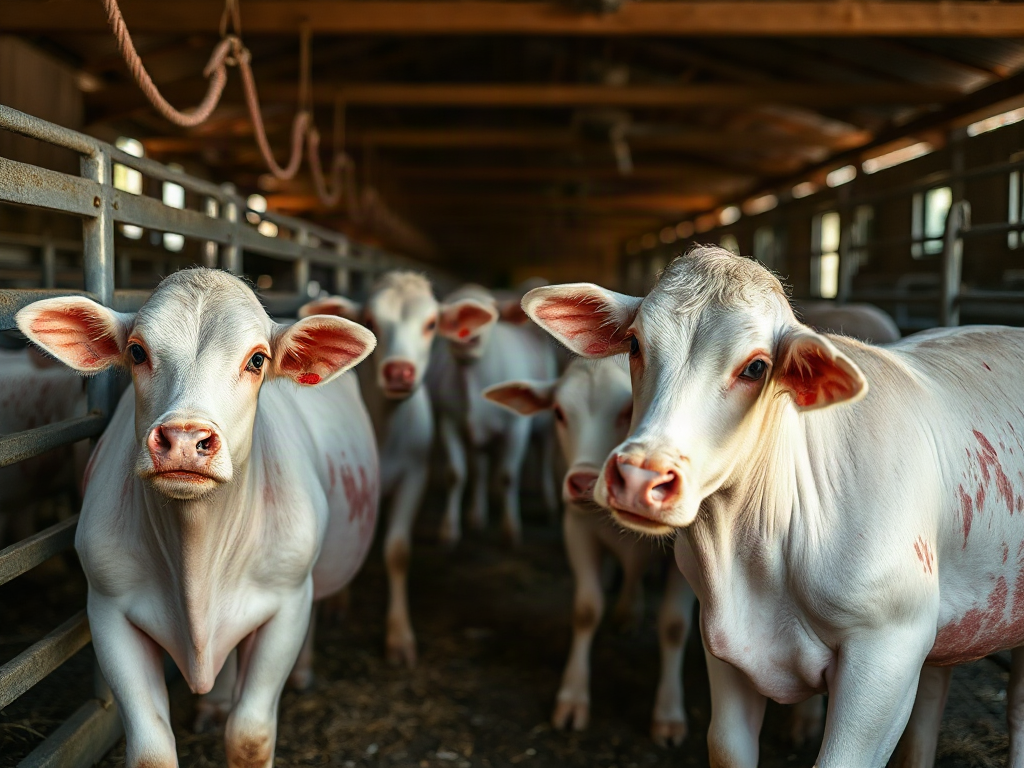
Humane livestock processing should be arranged before meat animals arrive by confirming a lawful processor, reserving a slaughter date, matching that date to expected finishing weight, and preparing low-stress transport. Ask how the facility handles each species, what withdrawal records it requires, which carcass instructions must be submitted, and whether the returned meat may be sold or only used by the owner. Budget for slaughter, cutting, packaging, hauling, and possible overnight holding rather than considering only the processing fee. If no suitable appointment or legal on-farm option exists, postpone purchasing animals instead of relying on an uncertain last-minute solution.
Confirm a Lawful Processing Route Before Buying Animals
A processing appointment is part of the production system, not an errand to arrange after an animal reaches market condition. Local facilities may accept only certain species, impose minimum numbers, limit appointments seasonally, or decline animals above their equipment limits. A farmer considering pigs, for example, needs a processor equipped for pigs and willing to accept the expected live size. A nearby poultry facility does not solve that problem, and a custom-exempt livestock processor may not provide meat that can legally be sold.
Begin by deciding what will happen to the meat. Meat intended only for the animal owner’s household may follow a different processing route from meat offered to customers, restaurants, or retail outlets. Rules also vary by jurisdiction, species, ownership arrangement, and where transactions occur. Confirm the applicable requirements with the processor and the relevant state agriculture or meat-inspection authority. Do not assume that labeling something a “share” or collecting payment before slaughter changes the legal status of the transaction.
Interview more than one facility when possible. Ask which species and live-weight ranges it accepts, how far ahead reservations open, whether it performs slaughter on site, and what identification or medication records must accompany the animals. Discuss handling conditions as well: unloading surfaces, separation from unfamiliar animals, overnight holding, water access, and how staff respond to an animal that cannot be unloaded safely. Humane treatment includes the entire handoff, not only the moment of slaughter.
The principal alternatives are inspected processing, custom processing, a lawful on-farm service, or owner-performed slaughter where permitted and within the owner’s competence. These choices are not interchangeable. Inspected processing may be necessary for commercial sales but can involve longer travel and greater scheduling pressure. On-farm processing can avoid transport stress, yet it demands a lawful site, suitable restraint, weather protection, sanitation, carcass handling, and the ability to carry out an effective first attempt without delay.
A verbal expression of interest is weaker than a confirmed reservation. Record the date, arrival window, animal number, species, estimated weight, deposit, cancellation terms, and intended disposition of the meat. If the only workable processor is several hours away or has no dependable availability, reconsider the species or defer the project. The broader resource on Planning humane livestock processing before raising meat animals can remain part of the farm’s pre-purchase records rather than becoming a late-season search.
Match the Reservation to Species, Growth, and Farm Capacity
The slaughter date should be tied to a realistic growth range rather than a single perfect weight. Breed, starting condition, forage quality, ration changes, weather, illness, and sex can all move finishing dates. Booking one date without estimating a useful window creates two welfare risks: holding an overfinished animal because no slot is available, or pushing feed aggressively to make an appointment that arrives too soon.
Work backward from the reservation. Record the animals’ expected arrival age and weight, likely growth under the intended ration, and the processor’s acceptable size range. Then calculate how much housing, feed storage, water capacity, and manure management remain available if processing is delayed. A pig purchased for an autumn date, for instance, may become difficult to house through winter if a cancellation leaves no backup. Extra months also increase feed expense and may exceed the strength of gates, loading equipment, or trailer partitions designed for smaller animals.
Species-specific behavior changes the calculation. Poultry are commonly handled in groups and require sufficient transport crates, ventilation, and a schedule that avoids prolonged confinement. Sheep may follow flock mates readily but resist entering a dark or unstable trailer. Pigs investigate unfamiliar surfaces yet may balk at glare, steep ramps, sharp contrasts, or hurried pressure. Cattle require facilities built for their size and flight zone; improvised panels that worked for smaller stock are not a safe substitute.
Keep the production estimate separate from wishful economics. A processor’s package price does not reveal the final cost per pound in the freezer. Feed consumed during a delay, excess carcass fat, condemned portions, shrink, disposal charges, and extra hauling can change the result. Nor should a farmer assume that a large live animal will yield an equal amount of packaged meat. Hide, head, blood, digestive contents, bones, trimming choices, and moisture loss all reduce take-home weight, with the proportions varying by species and cutting instructions.
Use a compact readiness check before purchasing stock:
- Date fit: The reservation falls within a credible finishing window.
- Size fit: The processor and transport equipment can handle the projected live weight.
- Delay capacity: Feed, shelter, fencing, and cash can support an extended stay.
- Backup route: A second lawful option has been identified and contacted.
Signs that the schedule is working include steady growth, adequate body condition, sound movement, manageable feed use, and a processor that confirms the appointment as it approaches. Warning signs include animals nearing facility limits, exhausted feed reserves, deteriorating footing, or repeated uncertainty from the processor. Adjusting the reservation early is usually more workable than discovering the mismatch during the final week.
Prepare Animals and Transport for a Low-Stress Final Trip
Calm loading is built through familiar handling long before departure day. Animals forced into a trailer for the first time under deadline pressure are more likely to stop, turn back, pile up, slip, or injure handlers. Regular movement through alleys and gates teaches them that controlled movement does not always lead to restraint or discomfort. The goal is not pet-like tameness; it is predictable movement with minimal noise and force.
Inspect the entire route from pen to processor. Secure loose panels, remove protruding hardware, improve slick footing, and eliminate gaps where a leg or head could become trapped. Match ramps to the species and trailer height, using a stable surface with enough traction. Bright reflections, dangling chains, flapping material, deep shadows, and abrupt floor changes can cause refusal. When an animal balks, locate what it sees before applying more pressure. Electric prods and repeated striking are poor substitutes for correcting a visible obstruction or badly designed approach.
Transport capacity must be based on safe space, vehicle ratings, weather, animal size, and separation needs. Overcrowding can cause falls and heat stress, while excessive empty space may allow animals to be thrown off balance during turns or braking. Use secure partitions when appropriate, provide ventilation without exposing animals to hazardous drafts, and confirm that doors and latches cannot open in transit. Unfamiliar or incompatible animals should not be mixed merely to fill a trailer.
Follow the processor’s written instructions concerning feed, water, arrival time, paperwork, and medication withdrawal documentation. Do not invent a fasting period from online anecdotes; unsuitable feed withdrawal can compromise welfare, cleanliness, or processing logistics. Review every medication label and veterinary direction well before the appointment. If a withdrawal interval has not ended, notify the processor and reschedule as necessary rather than concealing the treatment.
A practical rehearsal can expose problems without loading the animals. Hitch the correct tow vehicle, check tires and lights, place partitions, open the planned gates, and walk the route at the same time of day expected for departure. Confirm trailer and combined vehicle weights are within rated limits. Identify a safe place to stop if equipment fails, carry processor contact details, and know whom to call if an animal becomes non-ambulatory. Dragging or transporting an animal that cannot rise normally is not an acceptable improvisation; the situation may require veterinary assessment, humane euthanasia, or other direction under local rules.
Good preparation is visible when animals walk rather than scramble, footing stays secure, the trailer remains adequately ventilated, and unloading occurs promptly into suitable facilities. Repeated backing, vocal distress, falls, panting, prolonged confinement, or handlers escalating force indicate that the method is failing. Revisit the route, density, weather window, and handling pace before proceeding. Incorporating these checks into Planning humane livestock processing before raising meat animals makes transport a designed process rather than an emergency.
Set Carcass Instructions, Costs, and Contingencies in Writing
Processing decisions continue after the live animal is accepted. The facility needs clear instructions for aging, cutting, grind, package size, organ retention, fat or bones, curing, labeling, and pickup. A vague request for “standard cuts” may produce portions that do not fit the household’s cooking habits, freezer space, or sales format. Ask the processor for its cut sheet early enough to understand unfamiliar terms and identify choices that affect yield or price.
Translate intended meals into carcass instructions. A household that frequently slow-cooks pork may value shoulder roasts and larger fresh hams, while another may prefer more sausage and smaller packages. Choosing boneless cuts saves freezer room but sends more bone into trimming or disposal. Extensive grinding can make cooking convenient, yet it may carry added charges and removes the option of using intact roasts later. Curing and smoking add time and expense and may require separate pickup arrangements.
Build a complete budget that includes the animal, feed, bedding, routine care, transport, slaughter charge, cutting or per-pound fees, curing, specialty packaging, disposal, coolers, and freezer capacity. Reserve funds for a delay or emergency veterinary decision. Freezer planning deserves particular attention: know the processor’s pickup notice, package condition, estimated volume, and storage expectations. Buying a freezer after the pickup call can leave packaged meat without dependable cold storage.
Contingencies should cover both scheduling failure and animal welfare. Identify who can tow the loaded trailer if the primary vehicle breaks down, where animals can be held if travel becomes unsafe, and what happens if the facility cancels. Keep contact details for a second processor, a veterinarian, and the appropriate local authority. A backup facility is useful only if it accepts the species, can legally perform the intended service, and has actually discussed availability with you.
Review these items in writing seven to fourteen days ahead, then reconfirm the arrival window and animal count. Verify that withdrawal intervals are complete, identification records are ready, freezer space is operating, and the cut sheet deadline has not passed. The internal reference for Planning humane livestock processing before raising meat animals can serve as a recurring file for confirmations, receipts, route notes, and lessons from each batch.
A common failure is treating the confirmed slaughter slot as proof that every later detail is settled. Facilities can have separate deadlines for cutting instructions, deposits, inspection paperwork, or pickup, and missed communication may narrow the available choices. Humane production includes responsible carcass use and prompt collection; poor freezer preparation or abandoned products squander the animal after careful husbandry. Written decisions, realistic costs, and an alternate route close that gap.
Frequently Asked Questions
How early should livestock processing be booked?
Contact processors before buying animals and reserve as soon as they allow. Lead times vary by facility, species, season, inspection status, and local demand, so a fixed number of months is unreliable.
Can meat from a custom-processed animal be sold?
Custom-processed meat generally carries restrictions that differ from inspected meat. Confirm the intended transaction with the processor and the appropriate state or federal authority before advertising, taking deposits, or transferring ownership.
What should I ask a processor about humane handling?
Ask about unloading, footing, species separation, overnight holding, water, acceptable animal condition, staff handling practices, and procedures for injured or non-ambulatory animals. Observe the receiving area if visits are permitted.
Should animals be withheld from feed before processing?
Follow the processor’s species-specific written directions rather than choosing a fasting period independently. Ask separately about water, transport duration, medication records, and what to do if departure is delayed.
What if the processor cancels at the last minute?
Keep sufficient feed, housing, and funds for a delay, and identify a second lawful processor beforehand. If an animal’s condition or facilities cannot support postponement, contact a veterinarian and relevant local authorities for appropriate options.
Conclusion
Buy meat animals only after the end of the production cycle is workable on paper and in practice. Confirm the processor’s legal service category, species and weight limits, reservation terms, and animal-handling arrangements. Tie the date to a realistic growth window, then make sure fencing, feed, cash, and shelter can absorb a cancellation. Rehearse the loading route, use properly rated transport, follow facility instructions, and resolve medication withdrawals before departure.
Finish the preparation by submitting carcass choices, budgeting every fee, arranging cold storage, and keeping a qualified backup contact. If the available route depends on an unconfirmed slot, unsuitable trailer, questionable sales assumption, or improvised slaughter method, the responsible next action is to delay acquiring livestock. That decision protects the animals, the handlers, the meat, and the long-term viability of the farm.