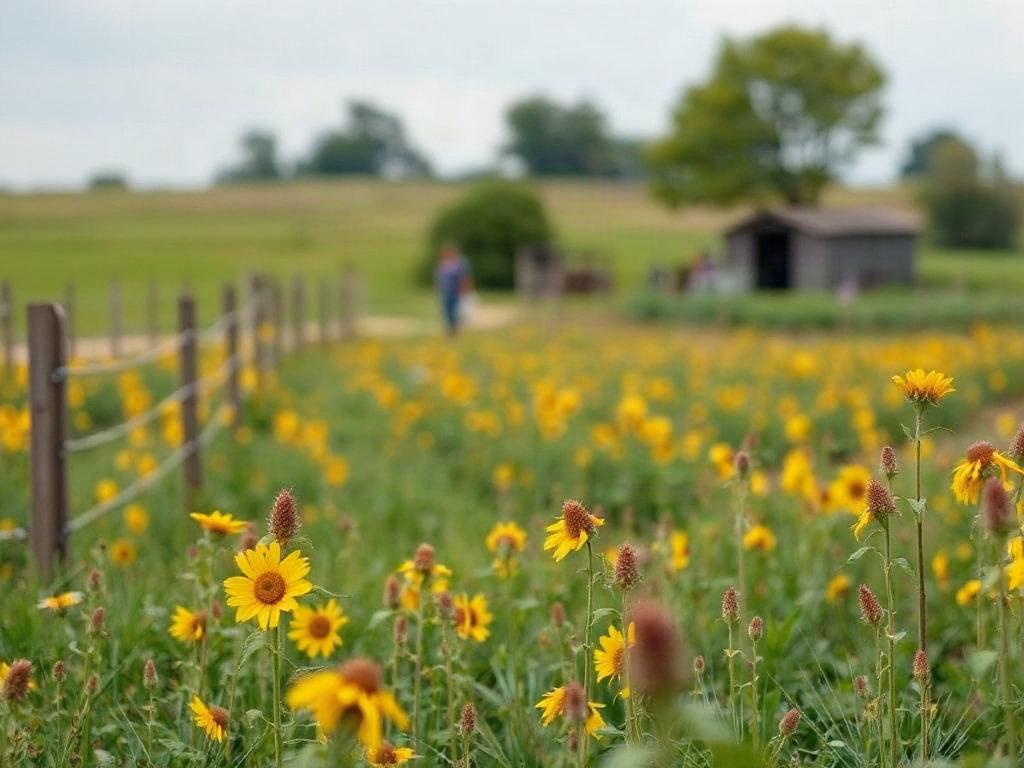
Living on a farm can be worth it for beginners when the property, workload, finances, and desired level of self-reliance match their actual capacity. The strongest candidates accept daily maintenance, keep cash reserves for equipment and infrastructure failures, and begin with a limited number of crops or animals. Renting a rural property or helping on an operating farm can reveal whether chores, isolation, weather exposure, and travel distances fit everyday life. A farm becomes a poor bargain when buyers underestimate repairs, expect immediate agricultural income, or choose acreage before defining how they will use it.
What Does Beginner Farm Life Actually Require?
Farm life turns ordinary household maintenance into property management. A beginner may need to monitor a well, maintain a septic system, clear drainage paths, control vegetation, repair fencing, store fuel safely, and keep access roads usable. Add a garden or livestock, and weather begins setting the schedule: animals still need water during a freeze, seedlings need protection during a late frost, and storm damage rarely waits for a convenient weekend.
The distinction between living on a farm and earning a living from a farm matters. Someone can enjoy rural acreage, grow vegetables, and keep a few hens while retaining off-farm employment. Turning agricultural activity into dependable household income is a different undertaking involving production planning, customers, pricing, insurance, bookkeeping, and inconsistent yields. Beginners who combine these goals too early can end up learning property maintenance, animal care, and business management simultaneously.
Consider two households moving to comparable properties. One starts a modest kitchen garden and spends its first season mapping wet areas, learning the well system, and repairing existing outbuildings. The other buys several animal species, tills a large plot, and plans immediate farm-gate sales. The first household may appear less ambitious, but it has room to identify weak fencing, poor soil drainage, or an unreliable water supply before those defects threaten animals or crops. The second has multiplied the consequences of every infrastructure problem.
Location also shapes the experience. A quiet setting may provide privacy and working space, yet it can mean longer trips to employment, schools, feed stores, medical care, mechanics, and groceries. Internet and mobile coverage can vary from one part of a property to another. A long gravel drive can become another maintenance system rather than a scenic feature. Test the actual commute during normal travel hours, check service at the house and outbuildings, and visit after heavy rain if possible.
A common mistake is treating enthusiasm as a substitute for routine. Enjoying a Saturday project does not prove that early feeding, summer irrigation, winter checks, and emergency repairs will remain acceptable every day. Before moving, follow a farm chore schedule for several weekends or volunteer for repetitive work rather than a special event. The useful question is not whether farm tasks seem appealing once; it is whether the household can repeat them when tired, busy, or away from home.
Which Farm Costs Extend Beyond the Purchase Price?
The purchase price reveals only part of a farm’s financial burden. Rural properties often contain multiple systems that a conventional home does not: barns, sheds, gates, pumps, water lines, culverts, field fencing, private lanes, and equipment storage. Each asset has a condition, a remaining service life, and a replacement cost. Low-priced acreage can therefore be more expensive to operate than a smaller property with sound water, access, and buildings.
Cash flow deserves more attention than a hopeful estimate of future produce or livestock sales. Early expenses arrive before reliable output: soil amendments, seeds, feed, veterinary care, hand tools, protective clothing, fencing materials, mower maintenance, and utility upgrades. Equipment ownership adds tires, batteries, fluids, repairs, storage, and transport. A used tractor may solve several labor problems, but it also creates a mechanical system that needs money and attention.
Separate costs into three groups before making an offer. Fixed obligations include the mortgage or rent, property taxes, insurance, and basic utilities. Operating costs rise with activity and may include feed, bedding, seeds, fuel, repairs, and hired services. Irregular capital costs cover failures or improvements such as a well pump, septic work, roof repair, new fencing, or driveway restoration. A property is not comfortably affordable merely because fixed payments fit the monthly budget; the household also needs reserves for failures that cannot be postponed.
| Cost Area | What to Inspect or Price | Why It Changes the Decision |
|---|---|---|
| Water | Well condition, flow, water quality, pumps, and livestock lines | Weak supply can limit household use, irrigation, and animal plans |
| Access | Driveway surface, drainage, snow or storm access, and delivery clearance | Poor access raises maintenance costs and can delay services |
| Buildings | Roofs, foundations, wiring, ventilation, and permitted uses | An unusable barn has little practical value and may be a liability |
| Boundaries | Survey information, gates, fence condition, and easements | Unclear or damaged boundaries complicate livestock and land use |
Do not assume standard homeowner coverage includes every farm activity. Selling products, boarding animals, employing help, storing substantial fuel, or inviting customers onto the property may change insurance needs. Local rules can also affect livestock, structures, roadside sales, water use, and waste management. A buyer should verify intended uses with the relevant local offices and discuss coverage with a qualified insurance professional rather than relying on the property’s appearance or the previous owner’s practices.
A useful comparison is the annual cost of a ready-to-use smaller property versus a cheaper parcel needing major work. Price both over several years, including urgent repairs and hired labor. The better beginner farm is often the one with dependable fundamentals, even if it offers fewer acres or less picturesque infrastructure.
How Much Land and Work Should a Beginner Take On?
The right amount of land is the area a household can maintain safely and use deliberately, not the largest parcel it can finance. Acreage brings recurring work even when it produces nothing. Fields need mowing or another vegetation plan, fence lines collect growth and storm damage, invasive plants spread, and distant structures still require inspection. Unused ground can consume time without advancing food, income, or lifestyle goals.
Begin with intended activities and work backward. A household wanting a vegetable garden, orchard trees, workshop, and a few laying hens may not need broad pasture. Grazing animals require suitable forage, dependable water, secure fencing, shelter, handling arrangements, manure management, and a plan for periods when pasture is unavailable. Stocking capacity cannot be inferred from acreage alone because soil, rainfall, slope, vegetation, and management differ sharply among properties.
Labor is another limiting resource. A couple with flexible schedules may manage chores that become impractical for someone commuting long hours. Children can participate, but core care should not depend on a child’s continued interest or availability. Vacation coverage must also be realistic. A garden can sometimes tolerate a short absence with irrigation and planning; dairy animals or vulnerable young stock impose far tighter schedules.
A restrained first-year plan gives beginners useful feedback without locking them into too many obligations. Choose one primary production project, such as a fenced vegetable area, and one supporting skill, such as composting or food preservation. Spend the remaining time learning drainage, seasonal sunlight, wildlife pressure, wind exposure, and equipment needs. If routines remain manageable through the busiest season, expansion can follow with evidence rather than optimism.
Signs that the scale is working include chores finishing within their planned time, maintenance being handled before it becomes an emergency, and enough financial margin to replace supplies without using debt for ordinary operations. Warning signs include repeatedly skipping fence checks, postponing hoof or health care, losing crops because irrigation cannot be maintained, or spending every day off catching up. Those patterns call for reducing the enterprise, hiring specific help, or postponing expansion.
The familiar mistake is buying equipment and animals to justify owning acreage. The sequence should run the other way: establish a defined use, confirm that the site supports it, test the routine, and then acquire only what removes a demonstrated constraint. Renting machinery, hiring seasonal work, or buying feed can be more sensible than owning every tool or producing every input on-site.
A Practical Farm Readiness Checklist
A sound farm decision combines property inspection with an honest test of household capacity. Scenic views and attractive barns can distract from the systems that determine whether daily life functions. Use the checklist before choosing a property, then revisit it after receiving inspection findings and actual cost estimates.
- Define the first two years. Write down the activities that will begin immediately, those that can wait, and whether any farm income is required to pay household bills.
- Set a labor ceiling. Estimate ordinary daily chores, weekly maintenance, peak-season work, commuting, and backup coverage for illness or travel.
- Verify essential systems. Investigate water quantity and quality, septic condition, electrical service, heating, drainage, road access, internet availability, and emergency access.
- Match land to its intended use. Review soil, slope, sun, wet areas, existing vegetation, fencing, outbuildings, and practical access between work areas.
- Build a repair reserve. Price immediate defects separately from optional improvements and routine agricultural spending.
- Check use restrictions. Confirm local requirements, easements, deed restrictions, insurance implications, and any limits affecting animals, sales, structures, or water.
- Test the lifestyle. Rent in a rural area, farm-sit, volunteer through a full chore cycle, or arrange repeated stays in different seasons.
The checklist should produce evidence, not merely reassurance. For example, a well test does not answer whether the system can supply a household, garden, and planned animals during a dry period; capacity and intended demand must be considered together. A standing barn is not automatically usable housing for animals if ventilation, wiring, flooring, access, or fencing is unsuitable. Likewise, an online service map is less persuasive than testing connectivity inside the home and around expected work areas.
Rank findings as non-negotiable, repairable, or optional. Safe water, lawful intended use, affordable ownership, and reliable access belong near the top. Cosmetic finishes and ambitious expansion features belong lower. If a non-negotiable condition fails, do not let sunk inspection costs or emotional attachment turn it into a minor concern.
A trial period is especially valuable for anyone whose picture of farming comes mainly from visits, media, or gardening at home. Renting will not reproduce every ownership burden, but it can expose reactions to darkness, mud, insects, machinery noise, long drives, delivery limitations, and repetitive chores. Walking away after a trial is a useful result, not a failure.
The final decision should still work if agricultural income is delayed, one adult has less available time than expected, and a major system needs repair. If the plan survives those pressures without sacrificing animal care, safety, or basic household finances, the farm is much closer to being a durable choice.
Conclusion
A good first farm is defined by manageable obligations, dependable infrastructure, and room to learn—not maximum acreage or the longest list of projects. Prioritize water, access, buildings, legal use, insurance, and household cash flow before evaluating attractive extras. Then limit the first season to work that can be completed consistently alongside employment, family commitments, and routine maintenance.
Before making an offer, test rural life, obtain appropriate inspections, estimate repairs separately from operating expenses, and write a conservative two-year plan. Reconsider the property if its affordability relies on immediate farm revenue or if essential care depends on an unrealistic schedule. A smaller, functional place with clear uses will usually teach a beginner more safely than a larger property burdened by neglected systems and premature expansion.
Frequently Asked Questions
Should a beginner buy or rent a farm first?
Renting first can test rural routines, commuting, and the desired scale without tying up as much capital. Buying may make sense when the intended uses are clear, inspections are satisfactory, and the household can fund both ownership and repairs.
Can a small farm pay for itself?
Some farm enterprises generate income, but beginners should not assume sales will cover housing and operating costs quickly. Production, customers, pricing, losses, insurance, and labor all affect whether an enterprise produces a genuine profit.
What should beginners inspect first on a farm property?
Start with water, septic, access, drainage, electrical service, roofs, structural condition, boundaries, and permitted uses. These fundamentals are usually harder and more expensive to correct than gardens, paint, or movable equipment.
Should beginners start with livestock?
Livestock is reasonable only after secure fencing, shelter, water, feed storage, routine care, emergency handling, and backup coverage are ready. A garden or orchard often provides a more flexible first project.
How can someone test farm life before moving?
Rent a rural home, farm-sit, volunteer for routine chores, or help an established producer during demanding weather. Repeat the experience across seasons and include early mornings, cleanup, maintenance, and travel—not only enjoyable harvest tasks.
Further Reading
Authoritative Sources
- USDA Resources for Beginning Farmers
farmers.govFederal resources outline business planning, financing, conservation assistance, and support available to new agricultural producers
- Web Soil Survey
websoilsurvey.nrcs.usda.govUsda.govThe USDA Natural Resources Conservation Service tool provides preliminary soil information for evaluating possible land uses
- EPA Septic Systems
epa.govEPA information explains septic-system operation, maintenance, and warning signs relevant to rural property ownership
- Find Cooperative Extension in Your State
extension.orgLocal extension services can provide region-specific education about soils, crops, livestock, pests, and farm management