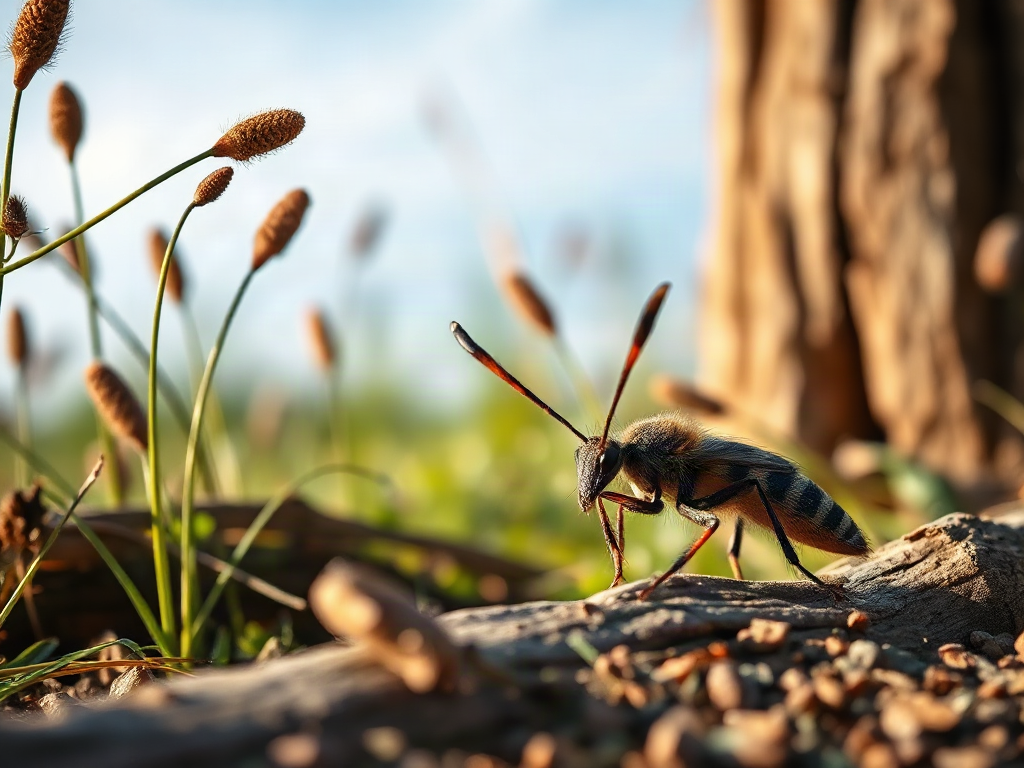
Managing homestead pests without harming beneficial wildlife means identifying the actual pest, reducing food and shelter that attract it, and using the least disruptive control that fits the situation. Begin by inspecting damaged plants, droppings, tracks, feeding times, and nearby hiding places rather than treating every unfamiliar animal as a threat. Physical barriers, sealed feed storage, targeted hand removal, and habitat changes usually protect crops while preserving pollinators, insect-eating birds, bats, amphibians, and predators such as owls or snakes. Broad-spectrum poisons, indiscriminate traps, and poorly placed sticky or glue devices can injure non-target animals and create secondary poisoning risks. Monitor results for several days and escalate only when lower-risk measures fail.
Identify the Pest Before Taking Action
Correct identification determines whether intervention is needed at all. A few chewed leaves, a nibbled fruit, or an occasional mouse near a barn does not necessarily justify killing wildlife. Look for the pattern behind the damage: ragged bites on low leaves may point to slugs or rabbits, while clipped stems and scattered soil can indicate rodents or digging mammals. Webbing, sticky residue, frass, and leaf stippling provide different clues for insect pests.
Inspect at more than one time of day. Slugs and snails often leave damage overnight, caterpillars may hide beneath leaves, and raccoons or opossums are more likely to visit after dark. A small motion-activated camera, a flashlight inspection, or a simple track record can reveal whether the suspected animal is responsible. Photographing damage before removing it also makes comparison easier.
Misidentification creates two problems. It wastes money on controls that do not address the cause, and it can remove an animal that was limiting the pest population. For example, a garden with aphids may also contain lady beetle larvae, lacewings, or hoverfly larvae. Spraying everything that moves can eliminate those predators while leaving the underlying excess nitrogen, tender plant growth, or ant activity unchanged.
Record the crop or structure affected, the location, the approximate time of damage, and the severity. Then ask whether the loss exceeds your tolerance. A few holes in kale may be acceptable, whereas contamination of stored grain or repeated damage to a young orchard may require faster action. The goal is not a pest-free property; it is a tolerable level of damage without unnecessary wildlife casualties.
For a broader foundation, connect this assessment to Managing homestead pests without harming beneficial wildlife as an ongoing property practice rather than a one-time treatment.
Use Barriers and Sanitation as the First Line
Physical exclusion often provides the cleanest solution because it separates pests from food without exposing other animals to toxins. Fine mesh over brassicas can stop cabbage moths while allowing air and light through; properly anchored netting can protect berries from birds without turning the garden into a hazard. Hardware cloth, with openings selected for the animal involved, is more dependable around feed rooms than thin chicken wire.
Installation details decide whether exclusion works. Rabbits can push under a loose fence, mice can pass through surprisingly small gaps, and raccoons can exploit a weak gate latch. Bury the lower edge of fencing where digging is likely, close openings around pipes and doors, and inspect corners after storms. Netting should be taut rather than draped over shrubs, because loose material can entangle birds, snakes, and small mammals.
Sanitation reduces the reward that keeps pests returning. Store poultry and livestock feed in sturdy, closed containers; clean spilled grain promptly; harvest fallen fruit; and use lidded compost systems when rodents or larger scavengers are a problem. A leaking hose or clogged trough can create damp shelter for slugs and mosquitoes, while stacked boards and dense weeds may provide hiding areas for both pests and beneficial animals.
Sanitation is not a demand for a sterile homestead. Leaf litter, brush, flowering plants, and undisturbed soil support beetles, spiders, ground-nesting bees, frogs, and other useful organisms. Remove only the resources connected to the problem. Clearing every hedge to discourage rodents may also remove cover used by insect-eating birds and small predators, so targeted cleanup is preferable to wholesale habitat removal.
Consider timing as well as materials. Pick ripe fruit before it becomes an overnight attractant, cover seedlings during the most vulnerable growth stage, and repair feed storage before a rodent population becomes established. These low-risk measures may require more labor at first than bait, but they reduce repeated exposure and often cost less than replacing damaged crops or treating a recurring infestation.
Protect Beneficial Predators, Pollinators, and Decomposers
Beneficial wildlife contributes to pest management through predation, pollination, decomposition, and nutrient cycling. Barn owls and other raptors may take rodents; bats consume flying insects; frogs and toads feed on many invertebrates; and native bees support fruit and seed production. Ground beetles, spiders, predatory bugs, and parasitic wasps can suppress garden pests without any purchased treatment.
Protecting these allies requires distinguishing damage from ecological activity. A snake near a woodpile may be feeding on rodents rather than threatening livestock. A wasp visiting flowers is not automatically a nest beside the house, and a bird taking a berry may be less harmful than the insects it consumes. Observe location and behavior before relocating or removing an animal.
Broad-spectrum insecticides are especially risky when flowers are blooming or when residues can move onto foliage used by caterpillars and other insects. Even a product marketed for gardens may affect non-target species if applied at the wrong concentration, in windy conditions, or while pollinators are foraging. Read the current product label, follow its crop and application restrictions, and do not assume that an organic label means harmless to wildlife.
Predator support should not be confused with releasing or feeding wild animals. Supplemental feeding can concentrate animals, spread disease, and increase conflict around buildings. A better approach is to retain suitable natural cover, provide clean water only where it can be maintained safely, and avoid destroying nesting or roosting sites without a specific reason. If a den, nest, or roost is inside a structure, seek local wildlife guidance before sealing the opening.
A common mistake is to judge success only by whether every pest disappears. A healthier measure is whether crop damage remains acceptable while predator sightings, pollinator visits, and soil activity continue. If aphids decline after reducing ant access and preserving lady beetle larvae, that is a more durable outcome than repeated spraying that resets the garden community.
Choose Targeted Controls and Monitor Results
When barriers and habitat changes do not resolve the problem, choose a control aimed at the identified species and location. Hand-picking caterpillars, using a targeted row cover, trapping a specific rodent in an enclosed area, or applying a product only to a confirmed plant pest is more wildlife-conscious than treating an entire property. The control should match the pest’s behavior, not merely the appearance of damage.
For rodents, begin by closing entry points and removing food access before considering traps or bait. Traps placed where children, pets, poultry, and non-target wildlife cannot reach them may be preferable to exposed poison. Rodenticides can create secondary risks when predators or scavengers consume affected rodents, and an outdoor bait station does not eliminate every pathway to exposure. Follow local instructions and product labels whenever a pesticide or rodent control product is used.
For insects, targeted methods may include removing infested leaves, washing soft-bodied insects from sturdy plants, using insect exclusion fabric, or treating only the plant surface and timing specified on the label. Avoid spraying open flowers, ponds, nesting areas, or broad bands of vegetation. A control that works against a caterpillar may be unnecessary against a chewing beetle, and a treatment for a plant disease will not solve insect feeding.
Traps and deterrents also have tradeoffs. Live traps can cause stress, and releasing an animal elsewhere may be illegal, ecologically harmful, or simply transfer the conflict. Ultrasonic devices and scent repellents often produce inconsistent results, especially when food remains available. Motion sprinklers may protect a small bed, but they are less useful for a large orchard and can waste water.
Monitor after every intervention. Check the same plants or structures at consistent intervals and note fresh damage, pest activity, and unintended captures. An approach is working when new damage slows and the attractant has been corrected; it is failing when the pest bypasses the barrier, food remains accessible, or non-target animals begin appearing near the control. Stop and reassess rather than automatically increasing the dose or expanding the treatment area.
Build a Low-Harm Response Routine
A repeatable response prevents rushed decisions during a crop loss or barn intrusion. Use a short sequence: confirm the pest, estimate the damage, remove the immediate attractant, install or repair a barrier, and observe before escalating. This order gives low-risk measures time to work and makes it easier to identify which change produced an improvement.
Priorities differ by setting. Around a kitchen garden, protecting seedlings and ripening fruit may come first. Around poultry, secure feed, close nighttime housing, and inspect openings near the floor. Around a pond or wet corner, preserve amphibian habitat while managing standing water and vegetation only where it creates a genuine nuisance. A method suited to a greenhouse may be inappropriate beside a hedgerow frequented by birds.
Keep a seasonal record rather than relying on memory. Note when slugs appear, when fruit begins attracting mammals, which fence gaps recur, and where beneficial predators are observed. The record can guide earlier covers, improved storage, or crop placement next year. It also helps separate a temporary surge from a persistent structural problem.
Do not expect zero damage. Wildlife-friendly management accepts some feeding, leaf holes, and competition in exchange for a functioning property ecosystem. The practical threshold is the point at which damage threatens food, animal welfare, sanitation, or the viability of a crop. Below that threshold, observation and tolerance may be wiser than intervention.
Household safety still comes first. Keep any trap, pesticide, sharp barrier, or treated material away from children, pets, livestock, and food preparation areas. If wildlife is injured, trapped in a building, or involved in a conflict that cannot be resolved with exclusion, contact a qualified local wildlife rehabilitator, animal-control office, or extension service instead of improvising.
Use the same judgment when reviewing wildlife-safe pest decisions: solve the specific conflict, preserve useful habitat, and escalate only when evidence shows that a lower-impact measure is inadequate.
Frequently Asked Questions
What should I do first when I find homestead pest damage?
Photograph the damage, inspect for tracks or droppings, and check when the feeding occurs. Identification should come before treatment.
Are organic pest controls safe for beneficial wildlife?
Not automatically. Organic products can still harm bees, aquatic life, predators, or other non-target species when misapplied, so follow the label and use the smallest suitable treatment area.
How can I protect vegetables from birds without hurting them?
Use taut, well-anchored netting with openings appropriate to the crop and inspect it regularly for entangled animals. Harvest ripe produce promptly to reduce pressure.
Should I remove snakes from a homestead garden?
Not necessarily. Many snakes consume rodents and are not a threat when left undisturbed. Relocation or removal is more appropriate when a specific safety concern exists.
When is professional wildlife help appropriate?
Contact local wildlife professionals when an animal is injured, trapped inside a structure, creating a persistent safety conflict, or protected species may be involved.
Further Reading
Authoritative Sources
- Safe Pest Control
epa.govProvides practical information on reducing pesticide risks and using integrated pest management principles
- Pest Management
usda.govOffers federal agricultural context for identifying and managing pests responsibly
- Pollinator Conservation
xerces.orgExplains habitat and management practices that protect native pollinators around working landscapes
Conclusion
Wildlife-safe pest management works best as a sequence of informed, increasingly targeted decisions. Identify the animal or insect, measure whether the damage truly exceeds your tolerance, and remove food, water, or access that keeps the conflict going. Secure feed, repair gaps, protect vulnerable crops with well-maintained barriers, and preserve predators, pollinators, amphibians, and decomposers that contribute to a balanced homestead.
Escalate cautiously when those measures are insufficient. Use species-specific controls in limited areas, protect children and animals from exposure, and monitor for both declining damage and unintended wildlife harm. A productive property does not need to be free of every pest; it needs a workable balance between harvest protection, sanitation, animal safety, and the ecological services that make long-term management easier.