Self Reliance

Estimating Household Water Demand Before Installing Infrastructure: A Fixture-by-Fixture Planning Method

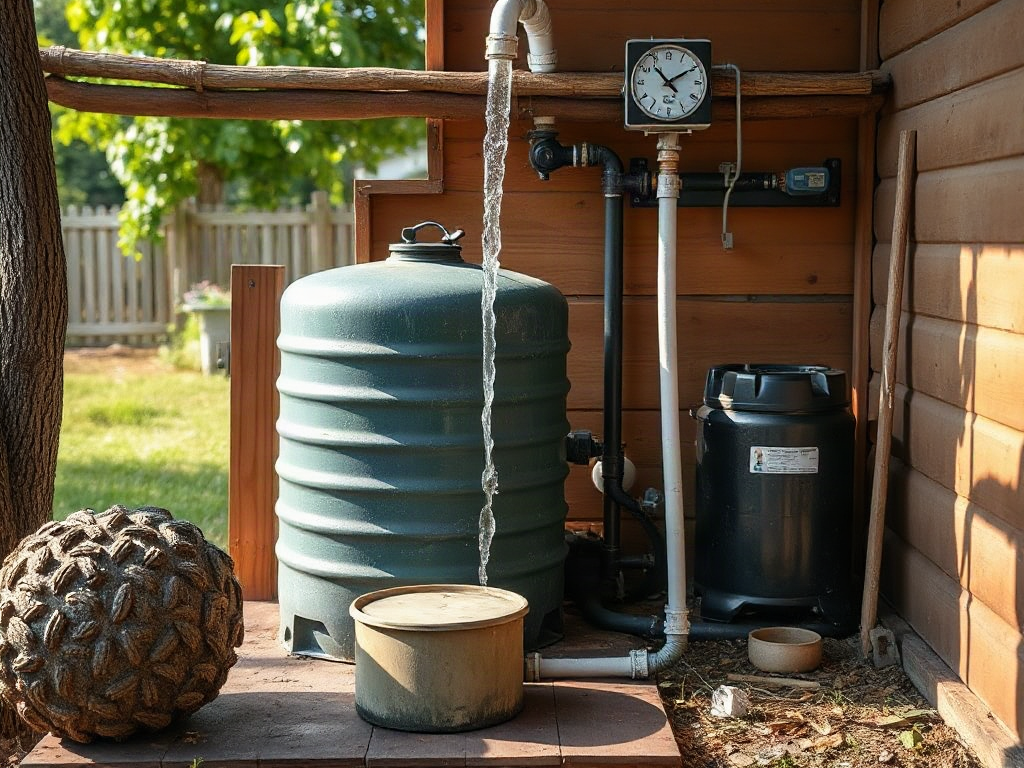
Estimating household water demand before installing infrastructure means measuring daily use by person, fixture, appliance, livestock, and seasonal task, then sizing storage, pumps, pipes, and treatment for both average demand and short peak periods. Record actual meter readings when available, separate indoor potable use from irrigation and other nonpotable loads…
, , , , ,
Self Reliance

Mapping Sun Exposure Across a Beginner Homestead: A Seasonal Crop-Placement Method

Mapping sun exposure across a beginner homestead means recording where direct light reaches the property during morning, midday, and late afternoon, then matching those zones to crops, buildings, animals, and water needs. Mark the site at several times on clear and partly cloudy days, noting shade from trees, fences, sheds, slopes, and future growth.

, , , , ,
Self Reliance

How Beginners Can Build Practical Self-Reliance Gradually Through Small Skills And Reliable Systems

Beginners can build practical self-reliance gradually by choosing one useful skill, practicing it with low-cost materials, and creating simple systems for food, water, repairs, safety, and household continuity. Start with tasks that reduce an immediate dependency, such as cooking basic meals, storing a few days of water, sewing a button…

, , ,
Self Reliance

Protecting Seedlings From Late Spring Frost: Timing, Covers, And Recovery Steps

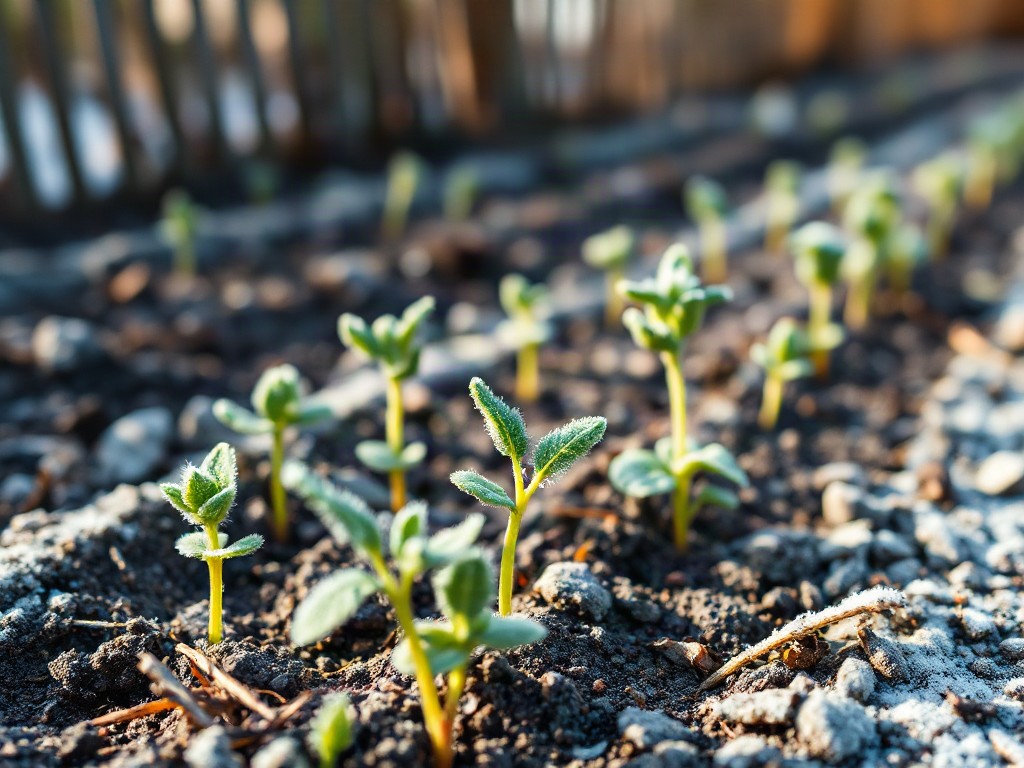
Protecting seedlings from late spring frost means combining a reliable weather check with early covering, ground-level insulation, and gradual uncovering after sunrise. Frost forms when clear, calm conditions let heat escape from plant tissue, so tender transplants need protection before temperatures reach freezing rather than after damage appears.

, , ,
Self Reliance

Mulch Choices for a Beginner Homestead Garden — Materials, Depths, and Common Mistakes

Testing homestead soil before planting vegetables means collecting representative samples, checking pH and nutrient levels through a laboratory analysis, and matching amendments to the crops and soil conditions. Sample several spots from the intended bed, remove surface debris, mix subsamples from the root zone, and avoid testing freshly amended soil.

, , , ,
Self Reliance

Testing Homestead Soil Before Planting Vegetables: A Practical Sampling And Amendment Sequence

Testing homestead soil before planting vegetables means collecting representative samples, checking pH and nutrient levels through a laboratory analysis, and matching amendments to the crops and soil conditions. Sample several spots from the intended bed, remove surface debris, mix subsamples from the root zone, and avoid testing freshly amended soil.

, , , ,
Self Reliance

Keeping Food Safe During a Homestead Power Failure With A 4-Stage Cold-Storage Plan

Keeping food safe during a homestead power failure depends on limiting warm exposure, preserving refrigerator and freezer temperatures, and separating questionable food before anyone eats it. Keep doors closed, move high-risk foods into a cooler with ice or frozen containers, and use a thermometer rather than smell to judge temperature.

, , , ,
Self Reliance

Handling Common Injuries During Homestead Work: Cuts, Strains, Burns, and When to Seek Care

Handling common injuries during homestead work means stopping the task, assessing the injury, giving appropriate first aid, and deciding promptly when professional care is needed. Clean minor cuts with running water, control bleeding with direct pressure, cool thermal burns with clean running water, and protect strains from further loading while swelling and function are monitored.

, , , , ,
Scroll to Top