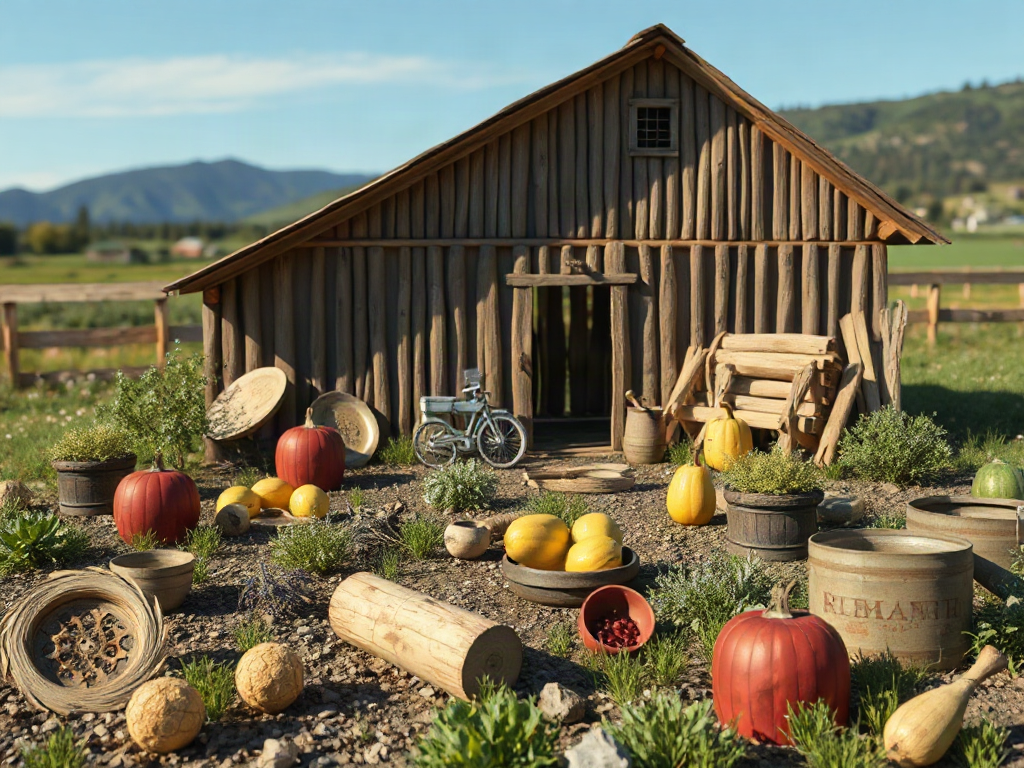
An effective intro to homesteading connects realistic goals and limits to first projects that fit your available space, time, budget, climate, and local rules. Begin by deciding which household needs matter most, then test one or two low-risk systems such as a small vegetable bed, composting setup, pantry rotation, or basic food preservation. Track labor, recurring costs, yields, and maintenance before expanding. Avoid buying land, livestock, or specialized equipment merely to match an idealized homestead image; successful early projects should produce useful results without overwhelming ordinary work, family, water, or financial commitments.
What Do You Want Your Homestead to Do?
A useful homestead goal describes a household result rather than an identity. “Grow salad ingredients from May through September” can shape bed size, crop choices, and watering needs. “Become self-sufficient” cannot, because it does not identify which needs the property should meet or what level of dependence is acceptable. Homesteading may involve food production, preservation, repair, resource conservation, or greater control over daily necessities, but no household must pursue all of them.
Choose goals by examining what your household uses, values, and can maintain. A family that cooks often may gain more from an herb bed, reliable pantry inventory, and seasonal tomato preservation than from keeping animals. Someone with little outdoor space might prioritize sprouts, container herbs, sewing repairs, and bulk-food storage. Rural acreage creates more options, but it also adds fencing, access, mowing, drainage, and equipment demands that can compete with food production.
Turn broad ambitions into outcomes that can be observed within a season. A reasonable first-year goal could be to harvest herbs for weekly meals, divert uncooked plant scraps into finished compost, or preserve three familiar foods using an appropriate tested method. Define what “enough” means before buying supplies. If four tomato plants already provide the amount your household eats fresh, twenty plants create staking, watering, pest, harvesting, and preservation work without necessarily providing greater value.
Goals should also acknowledge why you want the result. Saving money, improving food quality, building emergency reserves, and enjoying outdoor work require different choices. A small garden may provide exceptionally fresh produce but fail to reduce grocery spending after soil, lumber, irrigation, and tools are counted. Pantry rotation may deliver more immediate household resilience at much lower labor. Neither approach is inherently better; the right one addresses the outcome you actually value.
A common mistake is copying the visible features of an established homestead without seeing its labor, experience, climate, or income. Livestock, orchards, greenhouses, and large gardens are long-duration systems, not decorative additions. Write down no more than three first-year outcomes, rank them, and defer any project that does not clearly support the top priorities. That boundary keeps experimentation useful rather than turning it into a collection of unfinished chores.
Which Limits Should You Measure First?
Time is usually the binding homestead limit because living systems require attention on their schedule. Seedlings may need daily checks, a summer garden can demand watering during travel, and ripe produce will not wait for a convenient preservation weekend. Estimate both routine labor and peak labor. A project that takes twenty minutes most days may still fail if harvest, construction, or cleanup coincides with a demanding work season.
Map the site before deciding what belongs on it. Record direct sunlight across the growing season, water-source locations, drainage after heavy rain, prevailing wind, slopes, existing trees, utility lines, storage, and walking distance from the house. A vegetable bed near the kitchen and hose is more likely to receive prompt attention than a larger plot at the far edge of the property. Containers on a hot paved surface may dry rapidly, while a low garden area may remain saturated after storms.
Budget calculations should separate setup costs from recurring costs. Raised-bed materials, fencing, tools, and preservation equipment are initial expenses; seeds, potting mix, animal feed, replacement parts, energy, and veterinary care recur. Use a small trial to learn which costs actually apply to your setting. Borrowing or renting an infrequently used tool may be more sensible than purchasing it, while a durable hand tool used every week can justify ownership.
Legal and physical constraints deserve attention before construction or animal acquisition. Check municipal or county rules, zoning, animal restrictions, permits, setbacks, water use, nuisance provisions, and any lease or homeowners association terms that apply. Rules vary by location, so general online advice cannot confirm what is allowed on a specific property. Soil contamination is another site-specific concern, particularly near older painted structures, heavily traveled roads, or land with an uncertain use history. Local extension offices or appropriate testing services can help identify suitable testing options.
Use a simple capacity check before approving a project:
- Daily capacity: Who handles watering, feeding, or monitoring, including during illness and travel?
- Peak capacity: Can the household manage planting, harvest, processing, repairs, or severe weather?
- Resource capacity: Are water, storage, sunlight, money, and disposal systems adequate?
- Exit capacity: Can the project be reduced or stopped without harming animals or wasting a major investment?
Enthusiasm often hides maintenance rather than eliminating it. Warning signs include skipped checks, emergency supply purchases, produce repeatedly spoiling, conflict over chores, or basic household work being displaced. When those appear, reduce scale or simplify the system before adding another project.
How Should You Choose Your First Homestead Projects?
Strong first projects have short feedback cycles, modest consequences if they fail, and direct household use. They teach observation and maintenance without locking the beginner into years of expense. A four-by-eight-foot garden bed, several large containers, a covered compost bin, or an organized pantry can reveal more about personal capacity than an elaborate property plan developed entirely on paper.
Choose a food-growing project around foods you already eat and conditions you can provide. Herbs, lettuce, bush beans, radishes, or a few tomato plants may offer visible progress, although suitability depends on season and climate. Start with fewer crops and enough spacing to weed, inspect, and harvest comfortably. Growing fifteen varieties at once multiplies sowing dates, pest questions, trellising needs, and harvest timing. A smaller planting makes cause and effect easier to recognize.
Composting is useful when the household has a dependable stream of suitable kitchen and yard material plus a place to manage it. A contained pile or bin can teach moisture, aeration, decomposition, and material balance. It is a poor first choice if local rules prohibit it, the site cannot exclude pests, or the household will add inappropriate waste. Finished compost also takes time; it should not be treated as an immediate replacement for every soil input.
Pantry management is an overlooked homestead project with low land requirements. Select shelf-stable foods the household routinely consumes, label them, place older packages where they will be used first, and record normal consumption. This builds a reserve without accumulating unfamiliar food that expires. It also exposes storage problems such as heat, moisture, pests, or insufficient shelving before the inventory becomes large.
Food preservation should begin with one product and a method matched to it. Freezing chopped herbs or berries is generally operationally simpler than canning. Canning requires tested recipes, correct equipment, and close adherence to process instructions because food acidity, jar size, preparation, elevation, and processing method matter. Use current guidance from sources such as the National Center for Home Food Preservation or USDA materials rather than altering a recipe based on preference.
Animals are usually better treated as a later project. Even a small flock introduces daily care, feed storage, secure housing, manure management, predator protection, health decisions, and contingency plans. If eggs are the goal, compare those ongoing requirements with buying eggs locally. A beginner who first demonstrates consistent garden or compost care gains a more accurate view of whether daily animal obligations fit the household.
A Practical First-Season Plan
A first season should function as a measured trial, not a compressed attempt to build the final homestead. Begin with a short property and household audit. Observe sun and drainage, list existing tools, review applicable rules, estimate weekly time, and identify one recurring household need. Delay permanent construction until observation shows where paths form, where water collects, and which areas are consistently convenient.
Select one primary production project and one supporting project. For example, combine a compact kitchen garden with a compost bin, or pair pantry rotation with freezing seasonal produce. The pairing should share resources rather than create unrelated workloads. A garden produces plant residue for compost; a pantry record shows which preserved foods the household actually uses. Starting a garden, acquiring poultry, planting an orchard, and learning canning simultaneously makes it difficult to identify why any one system succeeds or fails.
Define the trial before beginning. Record the project’s purpose, spending limit, maintenance schedule, and review date. For a container garden, note container volume, sunlight, watering frequency, crop varieties, harvests, and signs of stress. For pantry storage, record purchase dates, quantities used, spoilage, and foods that were ignored. Detailed accounting is not required, but a few consistent notes prevent memory from exaggerating yields and minimizing labor.
Review progress at three points: after setup, during peak demand, and at the end of the season. Early review catches poor placement or missing equipment. Peak review reveals whether watering, weeds, processing, or other chores remain manageable under pressure. The final review should compare useful output with money, time, waste, and enjoyment. A project is working when routine tasks happen reliably, output is used, costs are understood, and small problems receive attention before becoming emergencies.
Failure signals are equally informative. Repeatedly wilted plants may indicate inconvenient placement, undersized containers, or an unrealistic watering schedule rather than a lack of gardening ability. Unused preserved food suggests that crop selection or processing volume did not match eating habits. Compost that remains dry and unchanged may need moisture and a better material mix, whereas odor or pests point to management or input problems. Diagnose the system before increasing its size.
At season’s end, keep, modify, or stop each project. Expand only one proven system at a time—perhaps adding a second bed after the first remained maintained and productive. Modification might mean installing drip irrigation, choosing fewer crop varieties, or moving supplies closer to the work area. Stopping a poor-fit project protects time for a better one; it is sound homestead management, not a failure of commitment.
Conclusion
A workable homestead develops from evidence gathered at home: how much time is reliably available, where sun and water occur, what the household consumes, and which chores remain sustainable during busy weeks. Set a few measurable outcomes, verify property constraints, and test projects whose scale can be changed without major loss.
For the next step, complete a site and household audit, then choose one primary project and one supporting system. Give both a spending limit, maintenance schedule, and end-of-season review. Keep records simple but honest enough to expose unused harvests, hidden expenses, and recurring maintenance failures. Expansion makes sense only after the current system produces something useful without depending on constant rescue. That deliberate pace builds practical skill while protecting the money, time, and attention needed for future projects.
Frequently Asked Questions
Do I need rural land to start homesteading?
No. Containers, pantry rotation, food preservation, repairs, and small-scale composting can build useful household capacity in urban or suburban settings, subject to property rules and available space.
How many projects should a beginner start at once?
One primary project and one closely related supporting project are usually manageable. The appropriate number depends on time and experience, but each project should have a clear caretaker and maintenance schedule.
Should chickens be a first homestead project?
Usually not unless local rules, secure housing, feed storage, daily care, veterinary options, and absence coverage are already addressed. A seasonal garden or pantry system is easier to scale back after a poor trial.
What is the cheapest way to begin?
Inventory existing food, tools, skills, and space before buying anything. Pantry rotation, borrowed tools, a few containers, and seeds for foods already eaten can provide a low-cost test of routines.
How do I know when to expand a project?
Expand after routine care remains consistent through the busiest period, the output is actually used, recurring costs are acceptable, and the current setup has a specific capacity problem that expansion will solve.
Further Reading
Authoritative Sources
- Land-Grant University Website Directory
nifa.usda.govUse this USDA directory to locate university extension information suited to local soils, crops, climate, and home food production
- USDA Plant Hardiness Zone Map
planthardiness.ars.usda.govThe official map provides useful climate context when evaluating perennial plants, though local site conditions still matter
- National Center for Home Food Preservation
nchfp.uga.eduThis University of Georgia resource provides research-based instructions for canning, freezing, drying, fermenting, and storing food
- Composting at Home
epa.govThe EPA explains home composting materials, setup choices, management, and common problems for a practical first compost system