Self Reliance

Self Reliance

How Much Space Do Beginner Chickens Need for a Healthy Coop and Run

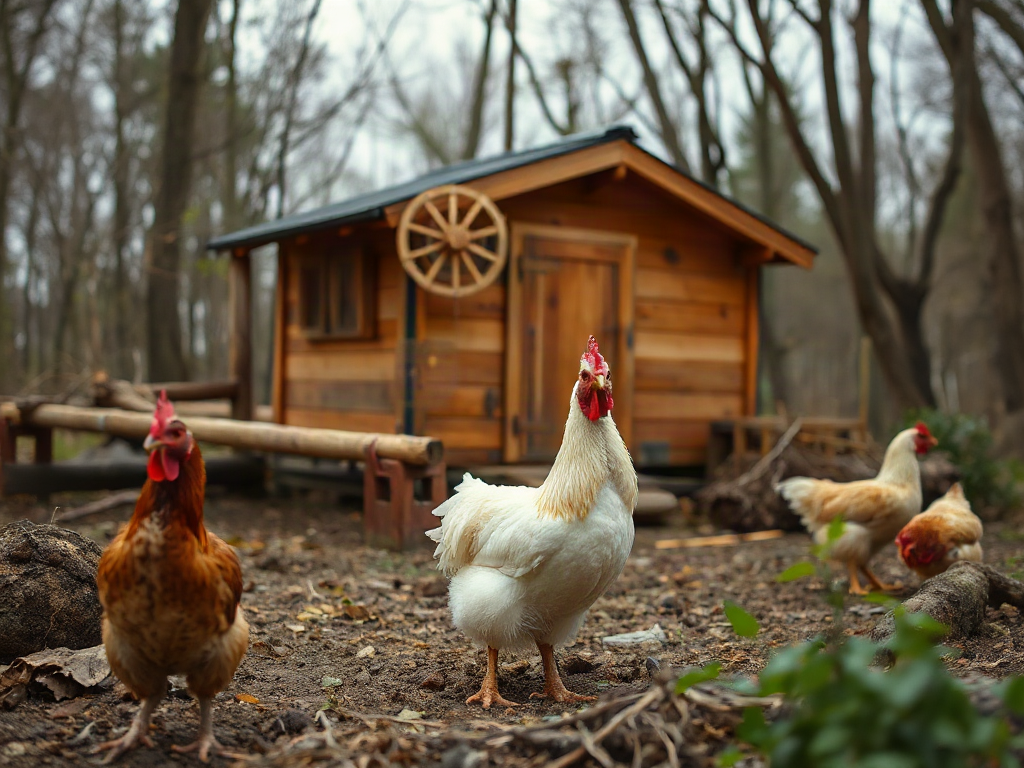
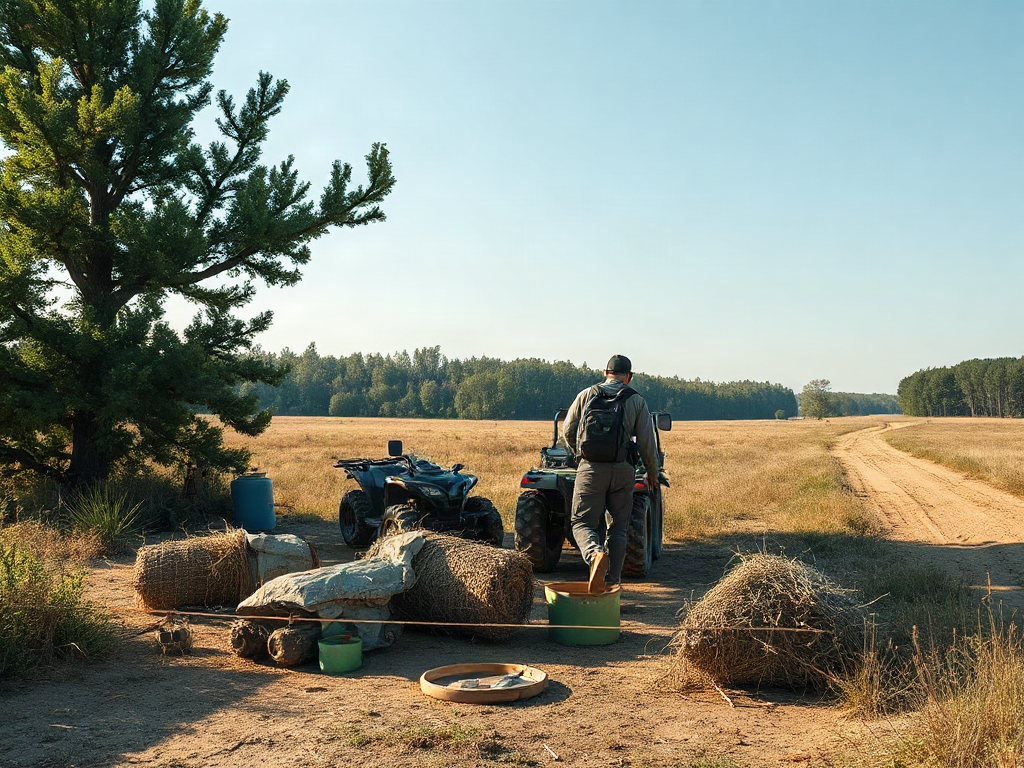
Beginner chickens generally need about 4 square feet of indoor coop space and 8 to 10 square feet of outdoor run space per bird, with more room preferred when they stay confined often. Space requirements depend on flock size, climate, breed, access to pasture, and how well the area stays dry and ventilated.

, , ,
Self Reliance

Using Kitchen Scraps Safely in Beginner Compost With a Simple Food-Sorting Routine

Using kitchen scraps safely in beginner compost means adding plant-based leftovers in small pieces, covering each fresh deposit with dry carbon material, and keeping meat, dairy, oils, pet waste, and diseased plant material out of a basic home pile.

, , ,
Self Reliance

Why Beginner Compost Piles Smell Bad: Causes, Fixes, and Moisture Checks

Beginner compost piles smell bad when too much wet, nitrogen-rich material is packed together without enough air, allowing anaerobic microbes to produce sour, rotten, or ammonia-like odors. Common triggers include thick layers of grass clippings, excess kitchen scraps, compacted contents, poor drainage, and adding meat or oily foods that do…

, , ,
Self Reliance

Safe Beginner Methods for Storing Root Vegetables That Keep Harvests Firm and Usable

Safe beginner methods for storing root vegetables rely on sound produce, gentle curing, darkness, steady cool temperatures, and enough ventilation to control moisture. Brush off loose soil rather than washing, remove leafy tops, and separate damaged roots before storage because cuts and trapped dampness accelerate decay.

, , , ,
Self Reliance

Freezing Versus Dehydrating Food for Beginners: Foods, Methods, and Storage Tradeoffs

Freezing and dehydrating suit different beginner goals: freezing preserves more of a food’s fresh texture but needs dependable cold storage, while dehydrating removes moisture for lightweight, shelf-stable storage. Freeze berries, chopped vegetables, cooked meals, and meats when you have freezer space and want ingredients close to their original form.

, , ,
Self Reliance

How Beginners Can Preserve a Small Harvest Using Freezing, Drying, and Small-Batch Pickling

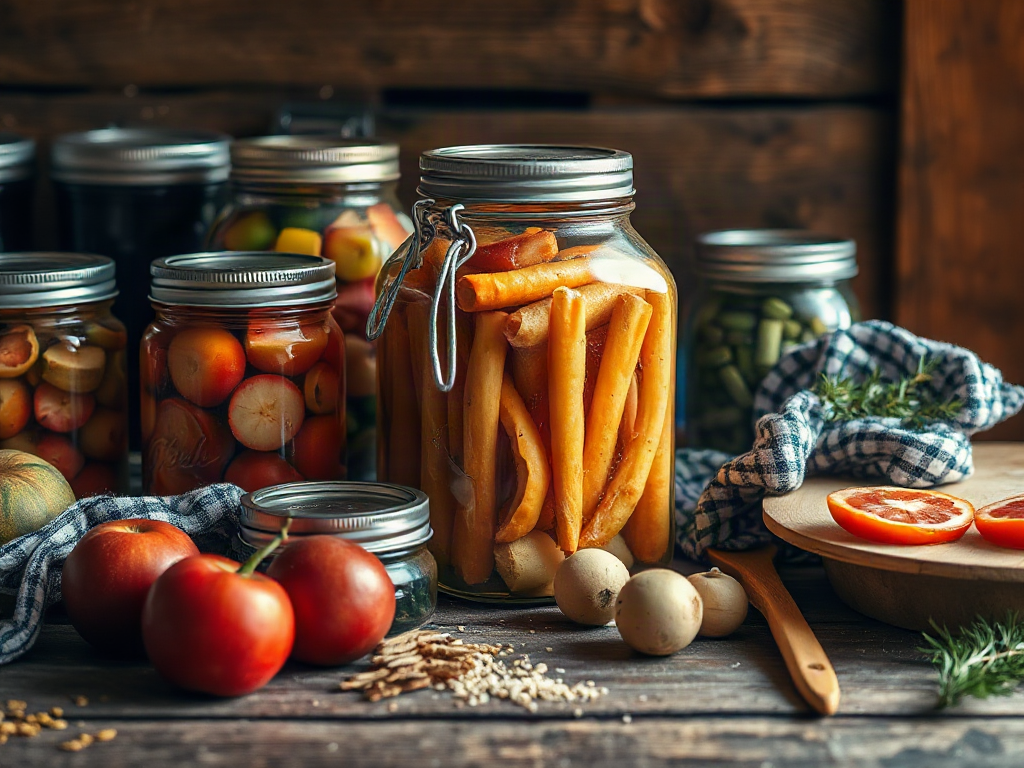
Beginners can preserve a small harvest by sorting produce promptly, matching each food to freezing, drying, refrigeration, or a tested pickling method, and packaging portions they will actually use. Tender vegetables such as green beans usually need brief blanching before freezing, while herbs and thin fruit pieces often work well when dried thoroughly.

, , ,
Self Reliance

Choosing Hand Tools for a Small Homestead Garden That Match Soil, Crops, and Workload

Choosing hand tools for a small homestead garden means matching each tool to your soil, crop spacing, and expected workload rather than buying a large kit. A sturdy trowel handles transplanting, a narrow hoe manages weeds between rows, a digging fork loosens compacted beds, bypass pruners cut live stems cleanly…

, , , , ,
Self Reliance

Starting Seeds Indoors Without Expensive Equipment: A Low-Cost Setup That Actually Works

Starting seeds indoors without expensive equipment works with a bright window or basic LED light, clean containers, drainage, a lightweight seed-starting mix, and steady moisture. Use recycled cups or food containers with holes, place them in a warm location, and move seedlings close to a light source as soon as they emerge.

, , , ,
Self Reliance

What to Do When a First Garden Fails: A Crop-by-Crop Recovery Checklist

When a first garden fails, document what happened, identify whether water, sunlight, soil, pests, disease, timing, or overcrowding caused the loss, then replant only a small selection suited to the remaining season. Pull and discard diseased plants, inspect roots and leaves, test questionable soil, and compare actual sunlight with seed-packet requirements.

, , ,
Self Reliance

When Should Beginners Start Planting a Homestead Garden? A Frost-Ready Timing Plan

Beginners should start planting a homestead garden when local soil has warmed enough for the selected crops and the final hard frost has passed, using a staggered schedule rather than one planting day. Cool-season vegetables such as peas, spinach, and onions can often go in several weeks before the last…

, , , ,
Scroll to Top