Self Reliance

Winter Water Freezing Prevention for Remote Homes: Pipe Protection, Heat Planning, and Emergency Steps

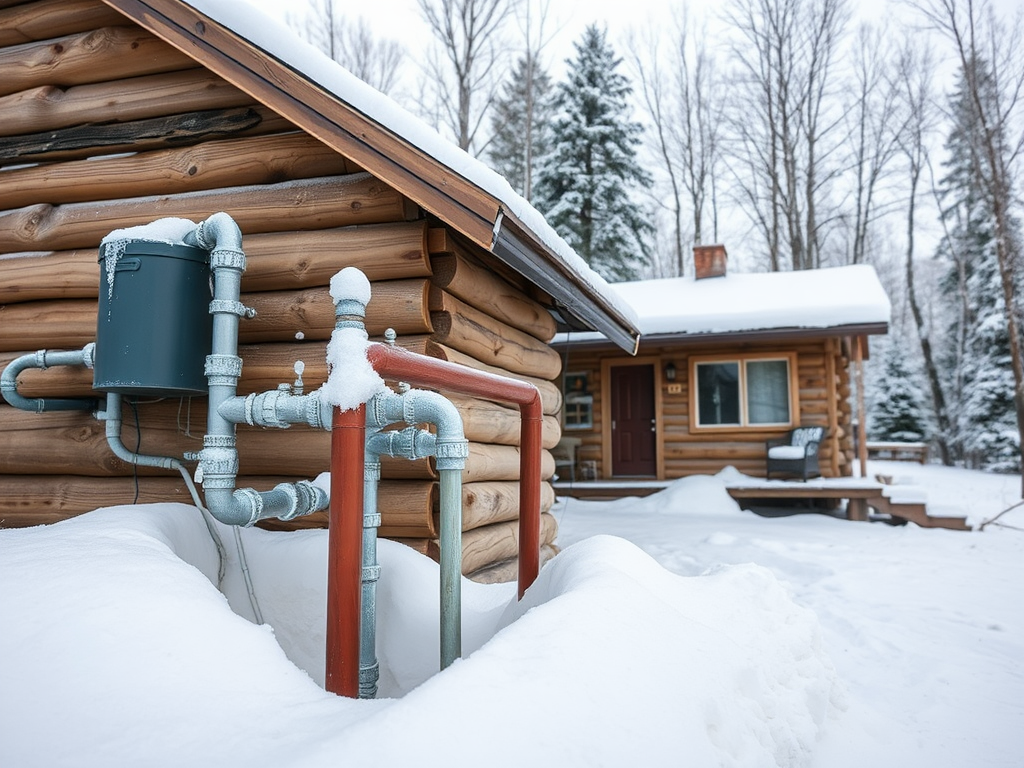
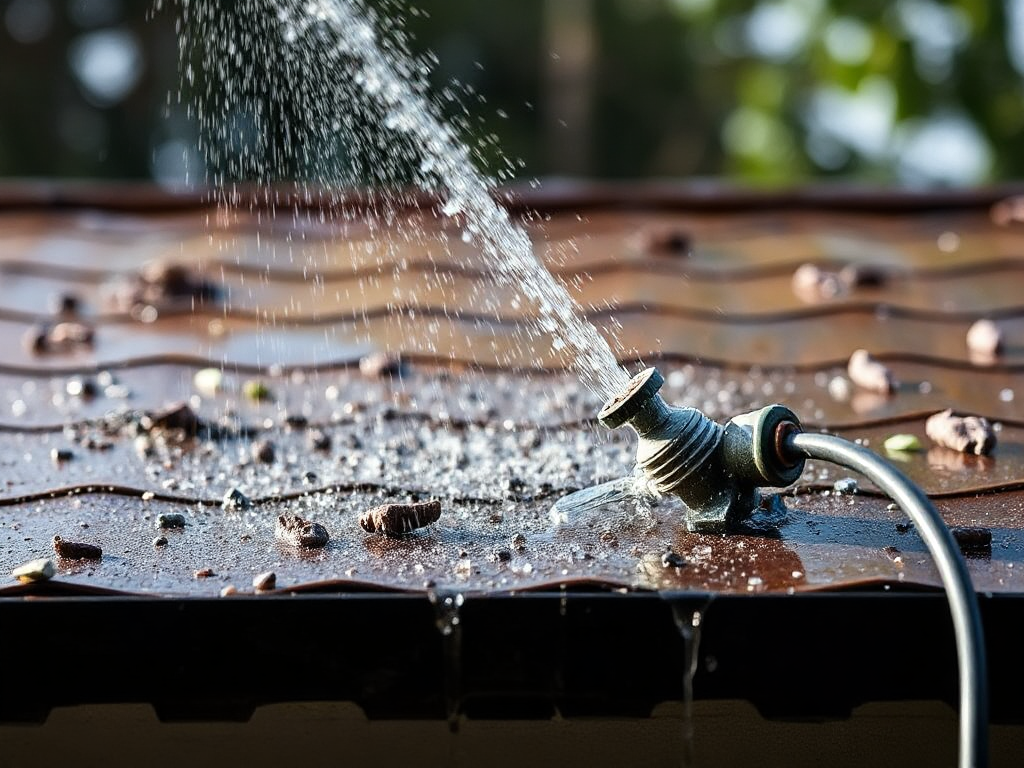
Winter water freezing prevention for remote homes depends on protecting exposed pipes, maintaining safe heat around vulnerable plumbing, and having a way to drain or isolate water when power or heating fails. Insulate supply lines, tanks, filters, and pump rooms, but leave access for inspection and protect insulation from moisture and rodents.
, , , ,
Self Reliance

Rainwater Disinfection After Roof Contamination Events: Timing, Methods, and Safety Checks

Rainwater disinfection after roof contamination events should begin by stopping collection, removing contaminated debris, flushing the roof and first-flush diverter, and treating stored water with a method suited to its intended use. Bird droppings, dead animals, smoke residue, floodwater, and roof-cleaning chemicals can introduce pathogens or contaminants that ordinary chlorination may not remove.

, , , ,
Self Reliance

Off-Grid Laundry Methods Minimizing Water and Energy With Hand Washing, Soaking, and Efficient Drying

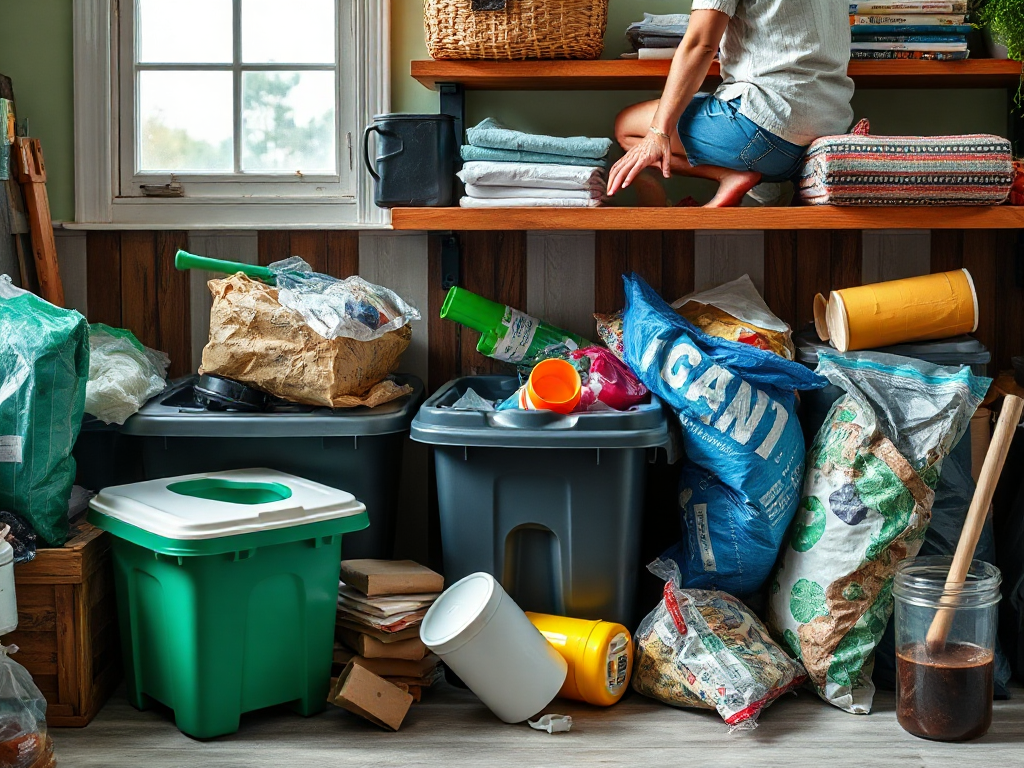
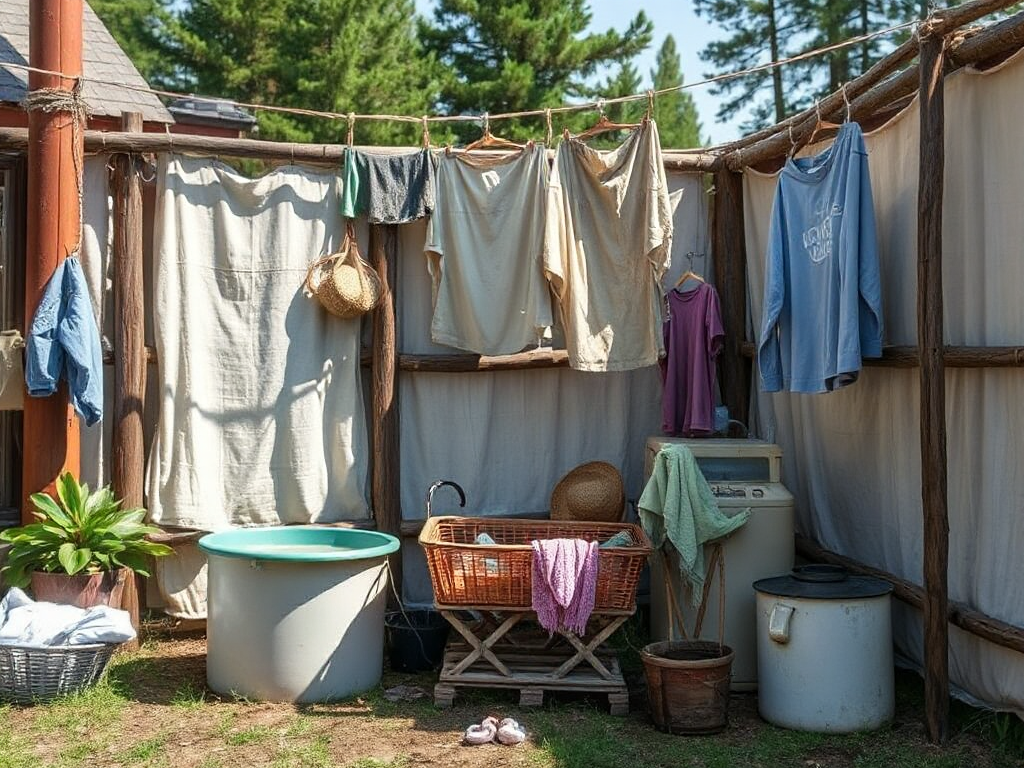
Off-grid laundry methods minimizing water and energy rely on smaller loads, deliberate soaking, low-water hand washing, thorough wringing, and air drying rather than automatic washer cycles. A wash basin, plunger, or compact manual washer can clean everyday clothing with far less electricity, while pre-treating stains prevents repeated washes.

, , ,
Self Reliance

Composting Toilet Maintenance Preventing Off-Grid Sanitation Failures Through Routine Checks and Corrective Steps

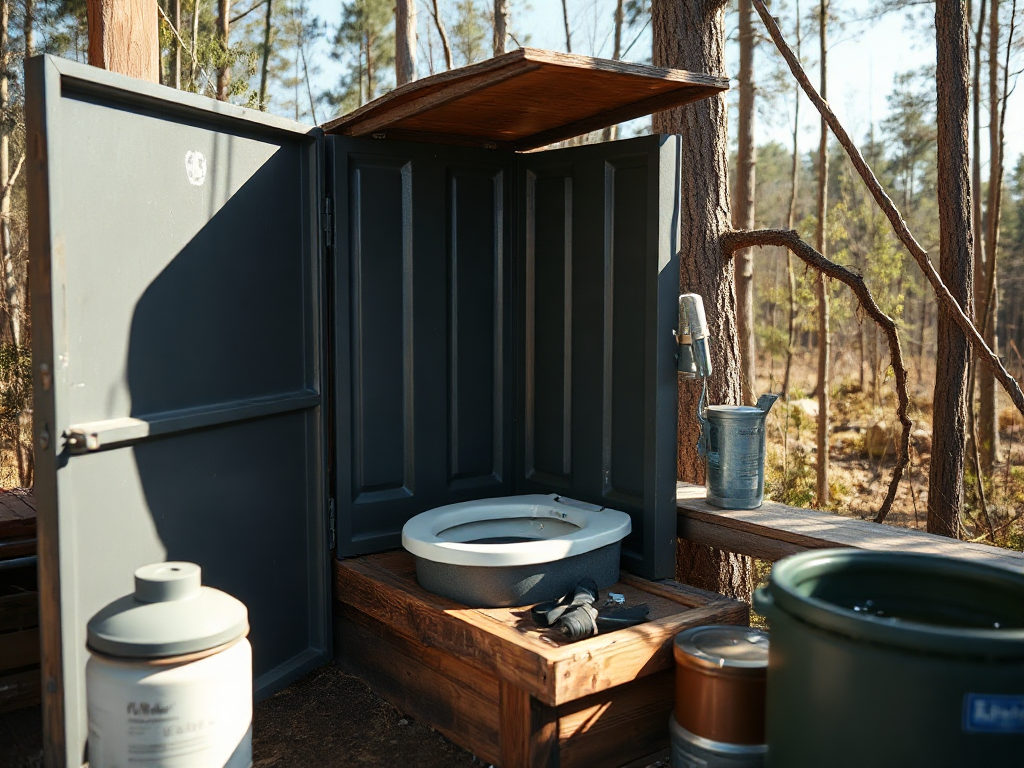
Composting toilet maintenance prevents off-grid sanitation failures by controlling moisture, preserving airflow, separating liquids, and removing finished material before the chamber reaches capacity. Inspect the urine-diversion path, fan, vent, seals, and solids level on a regular schedule, then correct wet bedding, blocked ventilation, leaks, or poor separation before odors and surface buildup develop.

, , , ,
Self Reliance

Greywater Reuse Rules for Self-Sustainable Homesteads That Protect Soil, Plants, and Groundwater

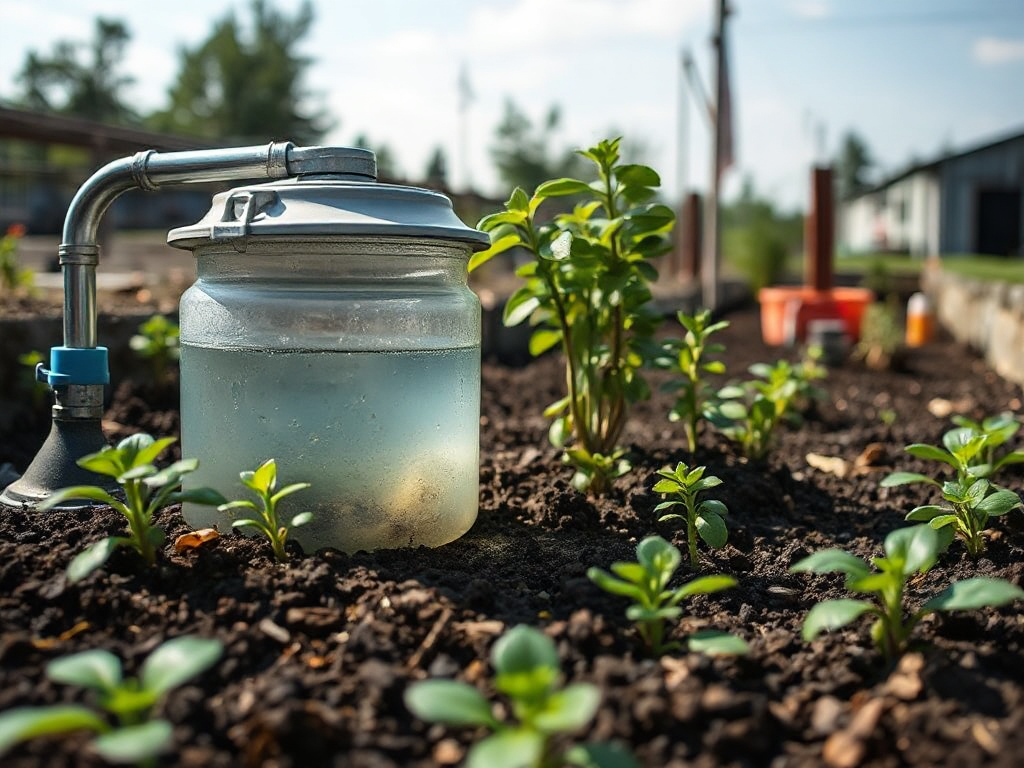
Greywater reuse rules for self-sustainable homesteads center on separating suitable household wastewater, filtering solids, directing it below the soil surface, and following local health and plumbing requirements. Water from showers, bathroom sinks, and laundry is often more suitable than kitchen, toilet, or heavily chemical wastewater because grease, pathogens, salts, and harsh cleaners create disposal risks.

, , , , ,
Self Reliance

Safe Propane Storage for Off-Grid Household Resilience: Tank Placement, Inspection, and Emergency Planning

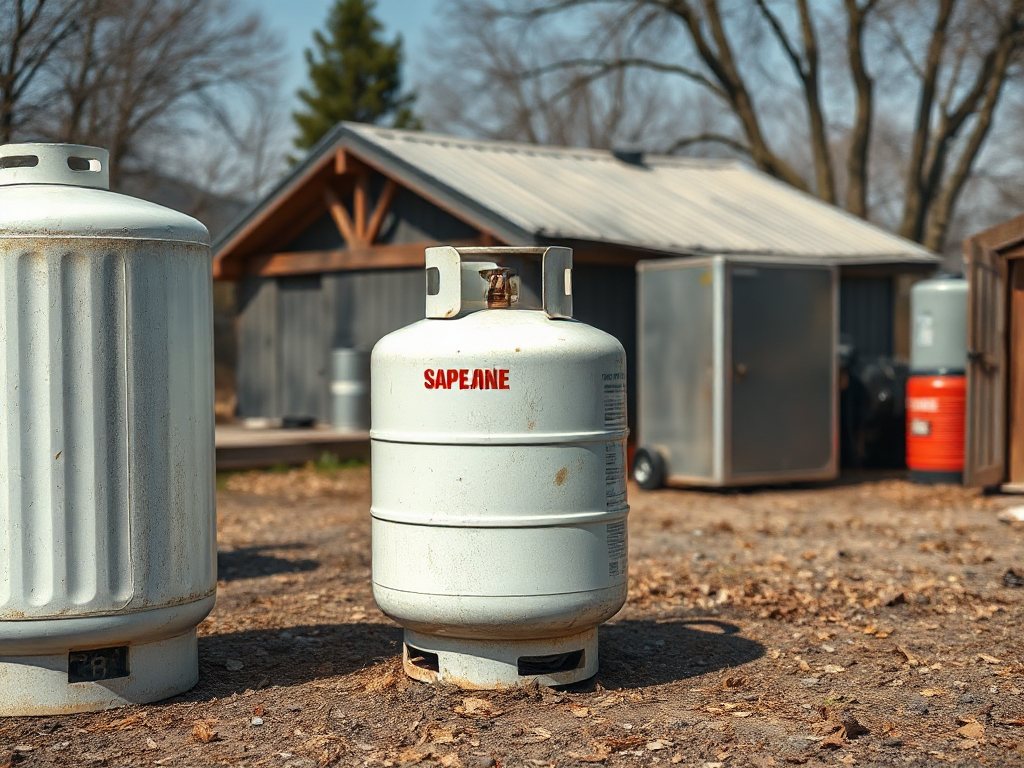
Safe propane storage for off-grid household resilience depends on outdoor tank placement, adequate separation from ignition sources, routine inspection, and a written emergency plan. Keep cylinders upright on a stable, noncombustible base in a well-ventilated location, protect them from vehicle impact and flooding, and never store them inside a dwelling…

, , , ,
Self Reliance

Electrical Load Auditing Before Expanding Off-Grid Power — Measured Demand, Runtime, and Expansion Decisions

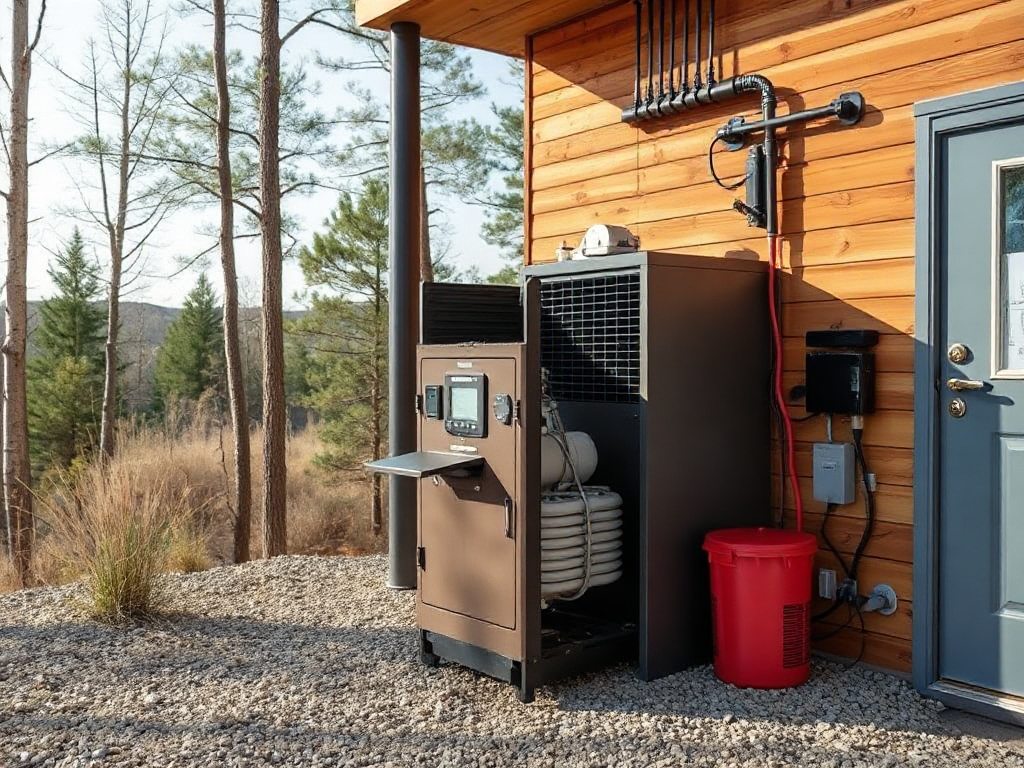
Electrical load auditing before expanding off-grid power should establish measured energy use, peak demand, operating schedules, and seasonal changes before any new generation or storage is purchased. Record each appliance’s wattage and actual runtime, then separate continuous loads from short high-power surges such as pumps, compressors, and heating elements.

, , , ,
Self Reliance

Battery Depth of Discharge and System Longevity: Cycle Life, Limits, and Daily Settings

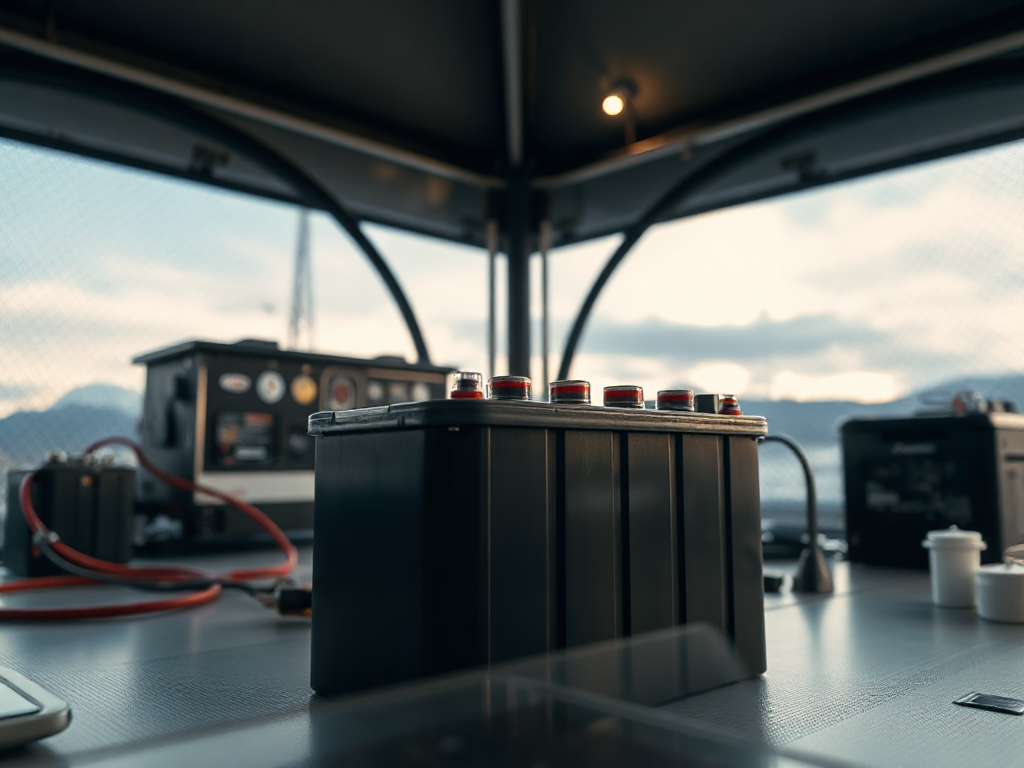
Battery depth of discharge directly affects system longevity because deeper cycles place greater chemical and thermal stress on cells, while shallow cycling generally preserves usable capacity for longer. A durable setup matches the battery chemistry, follows the manufacturer’s minimum state-of-charge limit, controls charging voltage and temperature, and avoids leaving the battery deeply depleted.

, , , ,
Self Reliance

DC Appliances Lowering Autonomous Household Energy Consumption Through Direct-Current Design

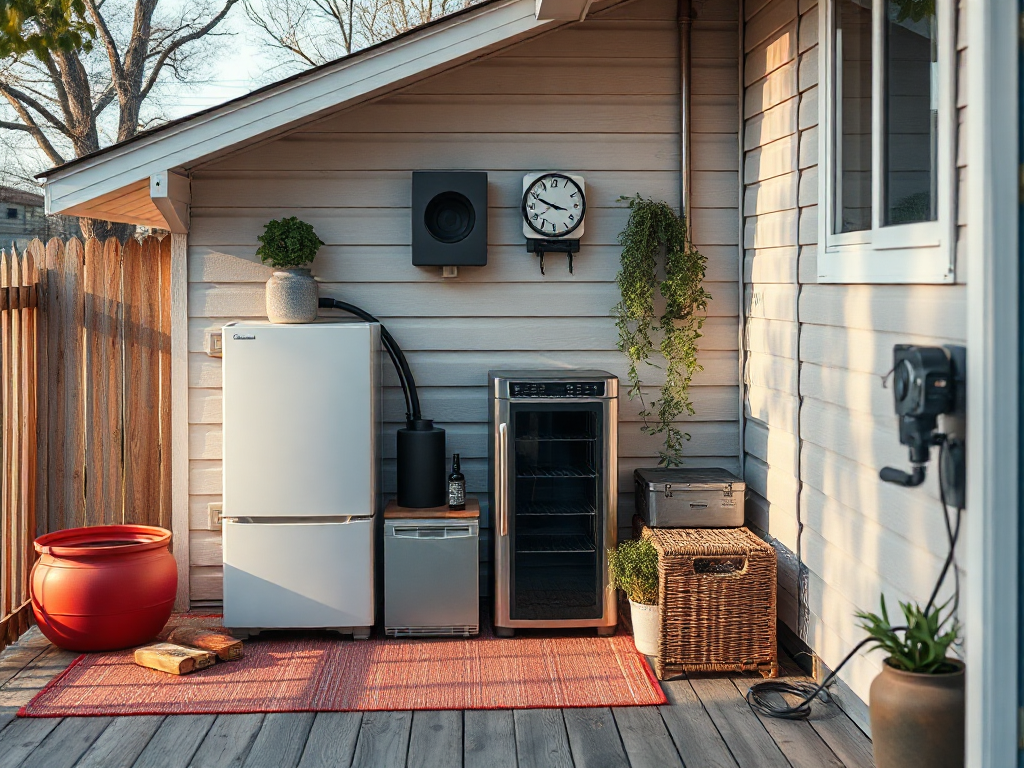
DC appliances lowering autonomous household energy consumption works by reducing the conversion losses created when battery power is repeatedly changed from direct current to alternating current and back again. Efficient DC refrigerators, lighting, ventilation fans, pumps, electronics, and communications equipment can connect more directly to a battery system, reducing inverter runtime and simplifying power management.

, , , , ,
Scroll to Top