Self Reliance

Heat Pump Use With Limited Off-Grid Power: Load Planning, Runtime, And Backup Heat

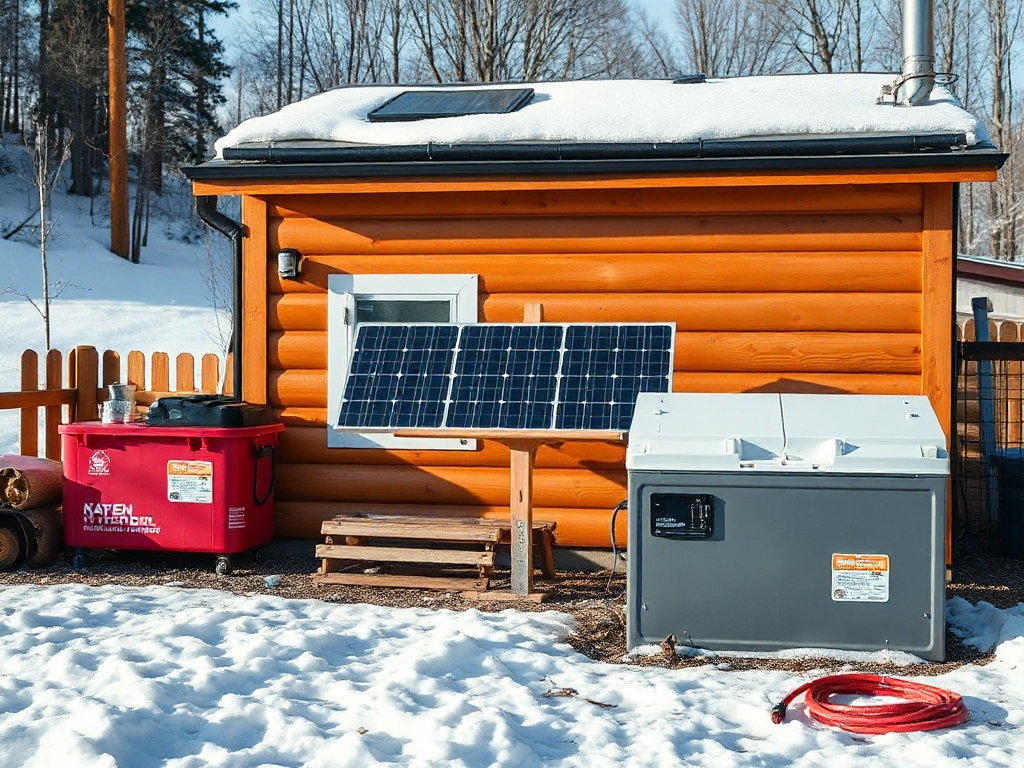
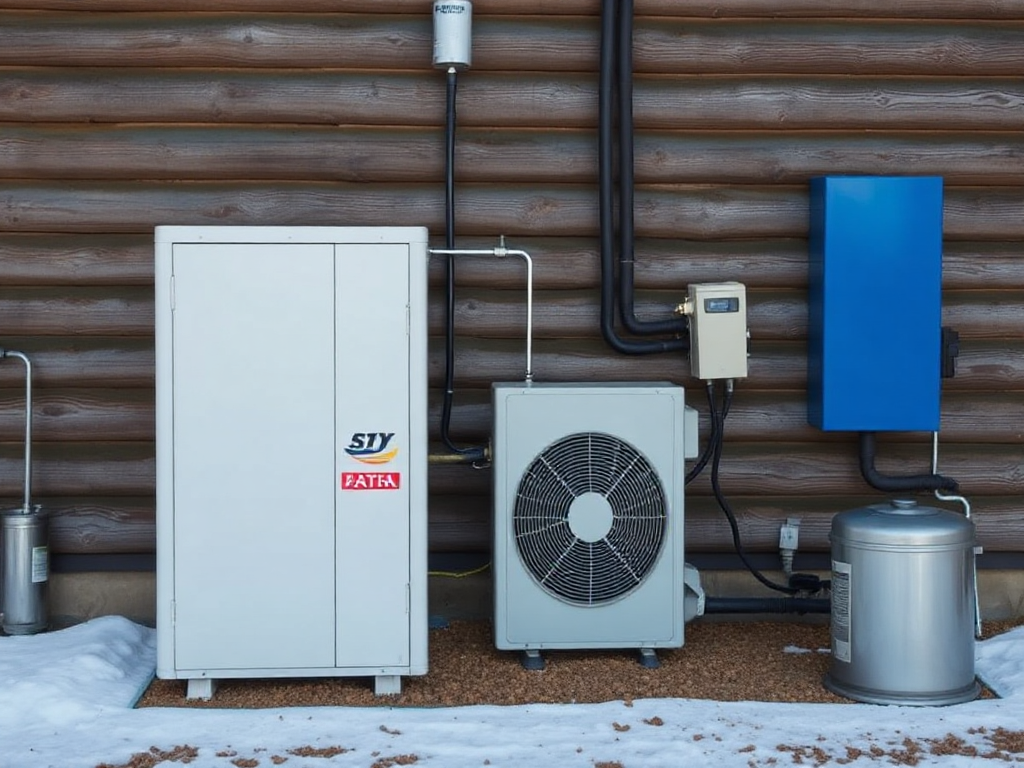
Heat pump use with limited off-grid power is workable when the system is treated as a managed electrical load rather than an always-on heating source. The decisive factors are the heat pump’s startup and running demand, cold-weather efficiency, battery usable capacity, inverter surge rating, and the home’s heat-loss rate.
, , , , ,
Self Reliance

Wood Stove Heating Safety in Self-Sustainable Homes: Installation, Operation, and Fire Prevention

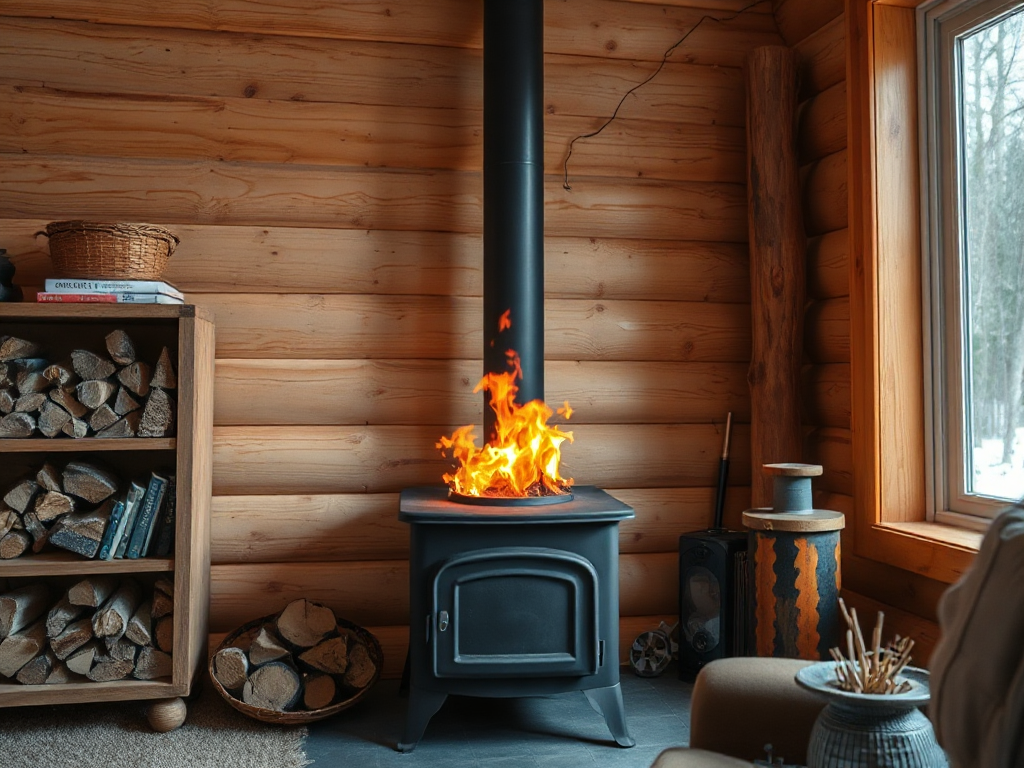
Wood stove heating safety in self-sustainable homes depends on controlling heat, smoke, and combustion from installation through daily operation. A listed stove, correctly sized chimney, noncombustible floor and wall protection, adequate combustion air, and working smoke and carbon monoxide alarms form the safety base.

, , ,
Self Reliance

Passive Solar Design Reducing Off-Grid Heating Demand Through Solar Gain, Thermal Mass, and Airtightness

Passive solar design reduces off-grid heating demand by placing and sizing windows for winter sun, storing daytime heat in interior thermal mass, limiting unwanted air leakage, and shading glass during warmer months. The strongest results come from matching glazing to the site’s winter solar path, insulating the envelope continuously, and…

, , , ,
Self Reliance

Microhydro Feasibility for Year-Round Off-Grid Electricity—Water Flow, Seasonal Risk, and Site Tests

Microhydro feasibility for year-round off-grid electricity depends on dependable water flow, usable vertical drop, and equipment that can operate through the site’s lowest-flow season. Measure head and flow at several times of year, then estimate power from both values rather than judging a stream by its appearance.

, , , ,
Self Reliance

Wind Versus Solar Power for Self-Sustainable Homes: Output, Storage, and Site Fit

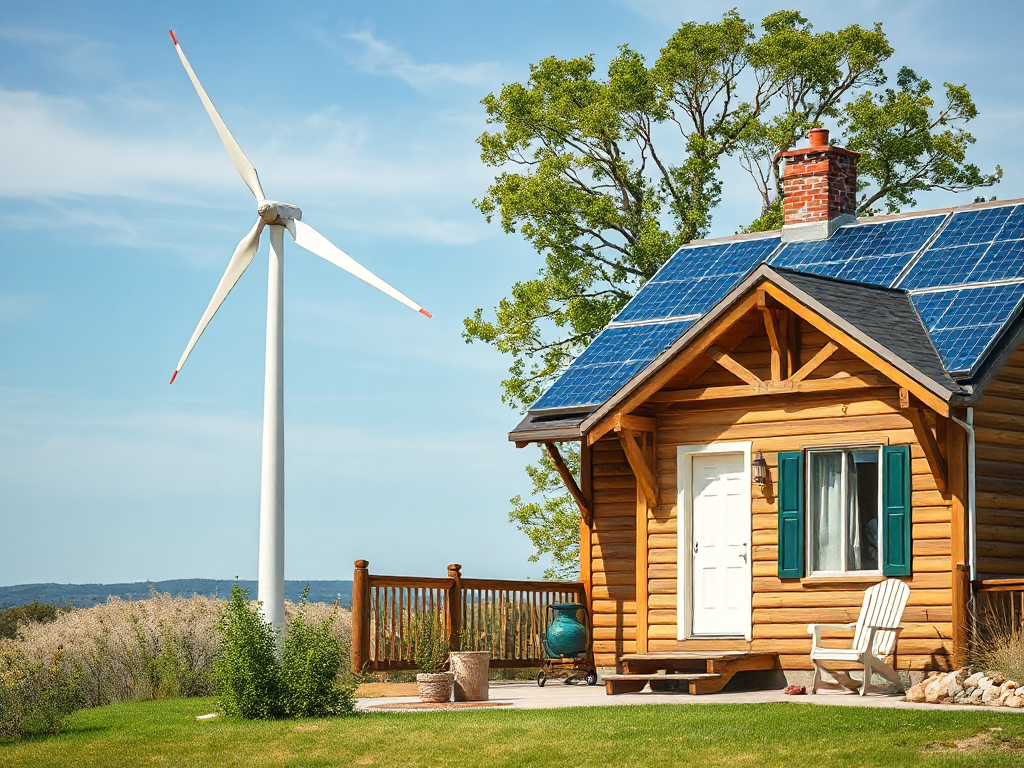
Wind versus solar power for self-sustainable homes depends mainly on local resource quality, seasonal demand, and storage needs rather than equipment preference. Solar usually offers simpler installation and predictable daytime production, while wind can add valuable winter or overnight generation when the property has steady, unobstructed air flow.

, , , , ,
Self Reliance

How to Choose Land for Long-Term Self-Sustainability: A Practical Site-Selection Checklist

Choose land for long-term self-sustainability by testing water reliability, soil productivity, climate exposure, access, zoning, and the cost of making the site livable before you buy. Walk the property in different weather, inspect drainage and soil layers, verify wells or surface-water rights with local authorities, and map sun, wind, slope, and usable acreage.

, , ,
Self Reliance

Can an Off-Grid Homestead Support a Family Year-Round? A Seasonal Readiness Checklist

Yes, an off-grid homestead can support a family year-round when its water, power, shelter, food, sanitation, and income systems are sized for the hardest season rather than average conditions. Reliable winter heat, protected water lines, stored staple foods, backup power, and a plan for medical care or outside purchases determine whether the arrangement remains workable.

, , , ,
Self Reliance

How Much Does It Cost to Become Self-Sufficient Off-Grid: A Realistic Budget by System

Becoming self-sufficient off-grid commonly costs about $100,000 to $500,000 or more, depending on land, housing, water, energy, food production, labor, and local site conditions. A modest setup may begin below that range if suitable land and a habitable structure already exist, while raw land with a new home and redundant utilities can exceed it quickly.

, , , ,
Self Reliance

Which Skills Matter Most for Living Self-Sufficiently Off-Grid? A Practical Priority Plan

The skills that matter most for living self-sufficiently off-grid are water management, food production and preservation, basic construction, energy-system operation, sanitation, first aid, and equipment repair. Water and sanitation deserve early attention because a failed pump, contaminated source, or poorly managed waste system can become an immediate health and survival problem.

, , , ,
Scroll to Top