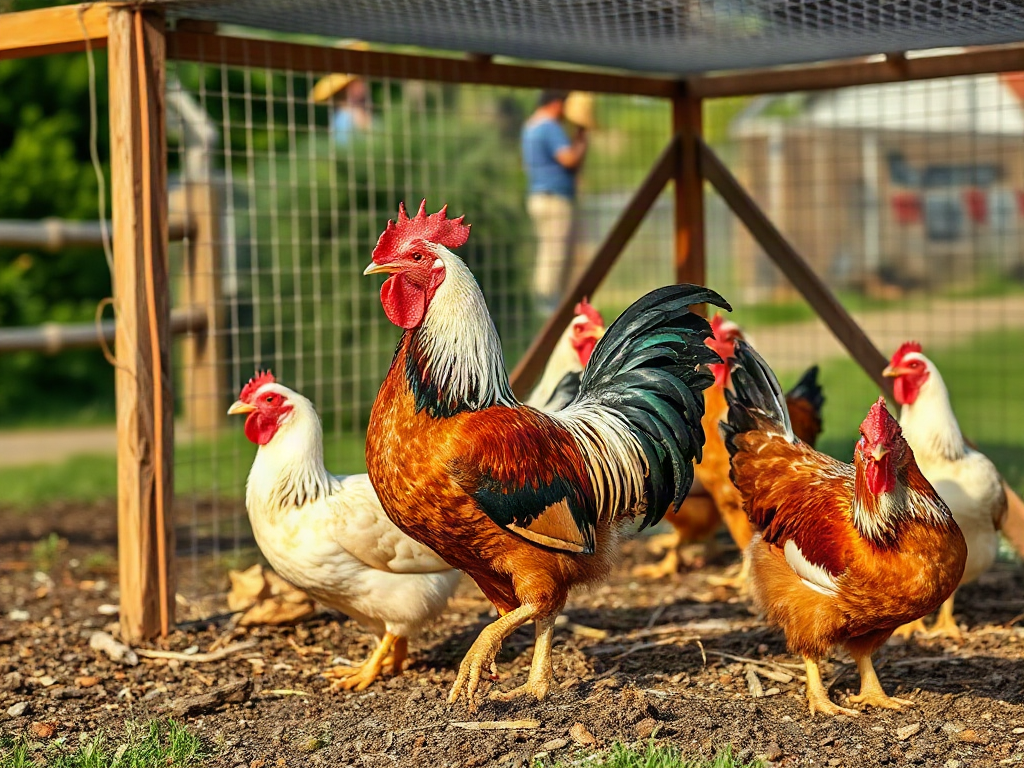
Successful poultry farming for beginners combines secure housing with flock care that changes according to bird age, season, and weather. A suitable coop keeps litter dry, admits fresh air above the birds without creating floor-level drafts, and blocks predators at every opening. Daily care should include checking feed, clean water, droppings, posture, breathing, and egg production so small problems are noticed before they affect the flock. Chicks need controlled supplemental heat, while feathered adults need shade, ventilation, and protection from wet or stagnant conditions.
Choose Housing Around Bird Needs and Daily Work
A practical poultry house must protect birds while remaining convenient enough to inspect and clean every day. Chickens, ducks, turkeys, and other poultry do not use housing identically, so settle on a species and expected mature flock size before choosing a structure. Chickens need suitable roosts and nest boxes, whereas ducks usually sleep on the floor and create more moisture around drinking water. A building designed without these behaviors in mind may be technically spacious yet difficult to keep sanitary.
Divide the setup into an enclosed night shelter and a secure daytime area. The shelter provides a dry place for resting, laying, and escaping severe weather. The run gives birds room to walk, scratch, dust-bathe, and move away from flock mates. Local climate, soil drainage, breed size, and how often birds range outside all affect the amount of usable room required. Published space allowances are starting points rather than permission to crowd birds into a poorly drained enclosure.
Access matters as much as floor area. A low coop that forces its owner to crawl inside often receives less thorough cleaning and inspection. Provide a door large enough to reach corners, remove bedding, and handle a bird safely. Place feeders and drinkers where they can be refilled without spilling into litter. Nest boxes should be accessible for egg collection but positioned away from roosts, because birds naturally deposit most overnight droppings beneath their sleeping area.
Predator resistance depends on the weakest seam, not the apparent strength of the walls. Inspect roof edges, vents, doors, corners, and the ground line. Openings should be covered with sturdy, appropriately sized metal mesh rather than lightweight screening intended only to exclude insects. Use latches that cannot be nudged open easily, and close birds into their secure shelter before nocturnal predators become active. Digging pressure may require a buried barrier or an outward-facing mesh apron, depending on the site.
A converted shed can outperform a decorative prefabricated coop when the shed offers better access, ventilation, and structural security. Conversely, a large permanent building may be wasteful for a very small flock if it creates unreachable corners or an expensive heating temptation. Before birds arrive, walk through feeding, watering, egg collection, litter removal, and emergency capture. That rehearsal turns Poultry farming for beginners: housing and flock care from a building project into a workable daily system.
Control Air, Moisture, Temperature, and Light
Dryness and air exchange usually matter more than making adult poultry feel as warm as people. Birds release moisture through breathing and droppings, while spilled water adds more. In a closed coop, that moisture dampens litter, concentrates odors, and can irritate respiratory tissues. Ventilation should let warm, humid air leave near the roof while avoiding a strong draft directly across resting birds.
Test the house at bird level rather than judging it from the doorway. Damp bedding, condensation, a sharp ammonia odor, or stained roof surfaces indicate that moisture is accumulating. The immediate response is to remove wet material and correct leaking or spilling water equipment. The longer-term response may involve adding protected high-level vents, reducing crowding, or changing how the shelter is closed at night. Fragrance products only disguise the warning and do not correct the source.
Heat presents a different problem. Poultry cannot sweat, so hot birds rely on shade, moving air, and increased water intake. Panting, wings held away from the body, inactivity, or crowding near the coolest location indicate heat strain. Supply more than one clean drinking point so a dominant bird cannot control access. Shade must cover part of the occupied run as the sun moves; a roof that shades the ground in the morning may leave it exposed during late-afternoon heat.
Cold-tolerant, fully feathered birds often handle low temperatures better than wetness and drafts, provided their breed and condition suit the climate. Sealing every vent to conserve warmth can therefore make the interior wetter. Supplemental heat also introduces fire and electrical risks and can leave birds poorly adapted if it fails suddenly. Chicks are the major exception: they need a carefully controlled heated area because young birds cannot regulate body temperature like feathered adults.
Light influences activity and laying, but a beginner should not treat artificial lighting as a substitute for sound care. Natural seasonal changes commonly alter egg output. If lighting is used, wiring, fixtures, and timers must be protected from dust, moisture, pecking, and bedding. Check local fire-safety requirements before installing electrical equipment in a poultry building.
A compact environmental check keeps priorities clear:
- Smell: strong ammonia suggests wet litter, poor air exchange, excessive manure, or crowding.
- Touch: bedding that clumps or feels damp needs attention before another layer is added.
- Observe: panting, huddling, or avoiding part of the coop reveals conditions a wall thermometer may miss.
- Trace water: inspect drinker height, seals, splash patterns, and roof leaks rather than blaming all moisture on weather.
Build a Daily Flock-Care Routine
Daily observation is the main tool for finding trouble early. Poultry often conceal weakness, so the person caring for them needs to know the flock’s normal appetite, movement, sounds, droppings, and social pattern. A bird standing apart with closed eyes is more informative than a general impression that the group looks quiet.
Begin each morning by confirming that every bird is mobile and able to reach water. Refresh or replace dirty water, inspect feed for moisture or mold, and look for evidence of overnight predators. Collect eggs regularly and remove any broken eggs or visibly soaked bedding. During hot weather, water may need attention several times rather than once. In freezing conditions, verify that water remains liquid and accessible instead of assuming a filled container is usable.
Use a nutritionally complete feed formulated for the birds’ species and life stage. Chicks, growing birds, laying hens, and meat birds have different requirements. Diluting a complete ration with excessive scratch grain or table scraps can unbalance intake because birds may select favored items while leaving the formulated feed. Treats should not displace the feed intended to supply protein, vitamins, and minerals. Store feed in a dry, pest-resistant container and discard material that smells musty, has become wet, or shows contamination.
Cleanliness does not mean stripping the coop to bare surfaces every day. Spot-removing wet litter and manure concentrations is often more effective than repeatedly disturbing all bedding. Schedule deeper cleaning according to moisture, odor, bird density, and the bedding system rather than an arbitrary calendar. Wear appropriate protective equipment when handling dusty litter, wash hands after contact with birds or equipment, and keep poultry away from food-preparation areas.
Records make subtle changes visible. Note new birds, feed purchases, unusual droppings, treatments directed by a veterinarian, deaths, egg changes, and weather extremes. For example, a gradual decline in water use may point to a blocked or frozen drinker before birds show obvious distress. A sudden egg decrease could reflect season, age, stress, nutrition, broodiness, or illness; the record helps separate a normal shift from a housing failure.
The common mistake is completing chores without actually seeing individual birds. Pause long enough to count them and watch them walk. The routine described in Poultry farming for beginners: housing and flock care works only when feeding and cleaning are paired with deliberate observation.
Manage Age, Weather, and Flock Changes
Care requirements shift sharply as birds grow and environmental conditions change. Chicks need a brooder that provides a warm zone and a cooler escape area, allowing them to adjust their position. A single uniformly hot enclosure gives them no relief. Birds pressed tightly beneath the heat source may be too cold; chicks avoiding it, panting, or spreading to the outer edge may be too warm. Uneven piling can also signal a draft.
Heat equipment must be secured according to the manufacturer’s instructions and kept away from combustible litter and structures. Brooder plates designed for poultry can reduce some hazards associated with exposed heat lamps, but no powered device is risk-free. Check cords, plugs, mounting, and bird behavior frequently. As feathers develop, adjust warmth gradually in response to conditions and behavior rather than transferring chicks abruptly to an unsuitable outdoor coop.
Seasonal preparation should happen before severe weather arrives. For summer, verify shade throughout the hottest part of the day, increase water availability, and clear ventilation openings without exposing birds to predators. For wet seasons, redirect roof runoff, improve drainage around entrances, and keep stored bedding dry. Before winter, repair drafts at bird level while preserving upper ventilation, protect water systems from freezing, and confirm that doors still latch when wood swells or ice forms.
Adding birds creates both disease and social risks. New poultry may appear healthy while carrying infectious organisms or parasites, so they should not go directly into the established coop. Use physically separate quarantine housing with dedicated or cleaned equipment, and seek local veterinary or extension guidance on an appropriate isolation and testing approach. Quarantine works poorly when air, boots, tools, or runoff move freely between groups.
After health concerns have been addressed, introductions should be gradual. Allow groups to see one another through a secure divider before sharing space. Provide several feeding and watering locations, visual barriers, and enough room for lower-ranking birds to retreat. Some pecking is part of establishing social order, but persistent pursuit, cornering, bleeding, or blocked access to resources requires intervention.
Planning for changing needs is less expensive than reacting to a crisis. A spare pen can serve as a brooder transition area, quarantine space, or temporary enclosure for an injured bird, but it should not be used for all three roles without cleaning and biosecurity controls. Beginners who lack separate space should postpone flock expansion rather than assume the resident birds will simply accept newcomers.
Recognize Housing and Health Warning Signs
Housing failures usually announce themselves through the birds, bedding, or building. Feather damage, repeated fighting, dirty eggs, floor eggs, respiratory noise, foot problems, and reluctance to enter the coop are not isolated inconveniences. Each can point toward crowding, unsuitable roosts, damp litter, poor nest placement, predators, or social pressure. Look for a pattern before changing several conditions at once.
Start with environment and access. Confirm that all birds can reach feed and water, then inspect litter, air quality, temperature, ventilation, nest boxes, and predator entry points. Watch the flock at different times of day. A feeder may seem adequate when filled in the morning yet become inaccessible when dominant birds occupy the surrounding space. A run may look shaded at noon but become dangerously exposed later.
Sick or injured birds need prompt attention rather than a housing experiment. Separate a compromised bird when doing so can be accomplished safely, provide appropriate shelter and water, and contact a veterinarian familiar with poultry for diagnosis and treatment guidance. Sudden deaths, neurologic signs, widespread respiratory illness, or rapid decline across several birds may also require reporting to animal-health authorities, depending on location. Do not consume eggs or meat from birds receiving medication unless withdrawal instructions from the prescribing veterinarian and product label permit it.
Common red flags include a sharp fall in eating or drinking, labored breathing, nasal or eye discharge, persistent diarrhea, blood, lameness, swollen joints, a pale or discolored comb, repeated straining, and isolation from the flock. None of these signs identifies a single disease by itself. Online symptom matching can mislead because nutrition, toxins, parasites, infection, injury, and housing stress can produce overlapping signs.
Evaluate whether a correction is working by measuring the condition that prompted it. After improving ventilation and removing wet bedding, odor and condensation should lessen rather than merely become masked. After adding a second feeder, timid birds should gain reliable access and crowding should decrease. If signs persist, reassess stocking density, equipment placement, and possible illness instead of repeatedly adding bedding or supplements. That cause-and-effect approach gives Poultry farming for beginners: housing and flock care a safer foundation than trial-and-error treatment.
Frequently Asked Questions
What should a beginner put inside a chicken coop?
Provide dry bedding, stable roosts appropriate for the birds, accessible nest boxes for laying hens, protected ventilation, and secure doors. Feed and water may be inside or in a protected run if they stay clean, dry, and available whenever birds need them.
Does a poultry coop need ventilation during winter?
Yes. Fully closing a coop traps moisture from breathing and droppings. Preserve protected ventilation above resting height while sealing strong drafts that blow directly across the birds.
How often should poultry bedding be changed?
Remove wet or heavily soiled patches promptly and schedule full changes according to odor, moisture, manure buildup, stocking density, and the bedding method. A fixed calendar is less useful than checking actual conditions.
Can new birds be placed directly into an existing flock?
No. Keep newcomers physically separate for health observation and obtain locally appropriate quarantine guidance. After health risks are addressed, use a gradual, barrier-based introduction with multiple feed and water points.
What is the first sign that a poultry house is too damp?
Clumped bedding, condensation, persistent odor, dirty feathers, and damp surfaces are early warnings. Find leaking roofs or drinkers, remove wet material, improve drainage, and increase safe upper-level air exchange.
Further Reading
Authoritative Sources
- USDA APHIS Defend the Flock
aphis.usda.govUSDA biosecurity materials explain practical ways to reduce disease movement into and around a poultry flock
- CDC Backyard Poultry
cdc.govCDC guidance covers hygiene and human-health precautions associated with keeping and handling poultry
- University of Minnesota Extension: Small-Scale Poultry
extension.umn.eduThis extension collection provides practical information on small-flock housing, nutrition, management, and health
- Penn State Extension Poultry Resources
extension.psu.eduPenn State Extension offers educational resources relevant to poultry production, flock management, and biosecurity
Conclusion
Begin with a flock small enough to fit the available shelter, run, budget, and daily schedule. Build or adapt housing around dry bedding, protected air exchange, predator-resistant openings, uncomplicated cleaning, and reliable access to feed and water. Then prepare separate space before purchasing chicks, replacing birds, or expanding the flock.
Once birds arrive, count and observe them every day rather than treating chores as a refill exercise. Their posture, breathing, droppings, appetite, social position, and use of the coop reveal whether the system is working. Correct moisture, crowding, spills, and access problems promptly, but treat illness signs as potential health issues rather than assuming every problem is environmental. A secure coop and an observant routine create a stronger starting point than elaborate equipment or rapid flock growth.