Self Reliance

Self Reliance

Can a Food Forest Provide Complete Off-Grid Self-Sustainability? What It Can Supply—and What It Cannot

A food forest can provide a substantial share of an off-grid household’s food, but it rarely delivers complete self-sustainability by itself. Its output depends on climate, irrigation, soil fertility, crop diversity, preservation capacity, and years of establishment, while calories, protein, fats, medical supplies, tools, and reliable energy often remain limiting gaps.

, , , , ,
Self Reliance

Best Livestock for a Small Self-Sustaining Homestead: Food, Labor, and Land Tradeoffs

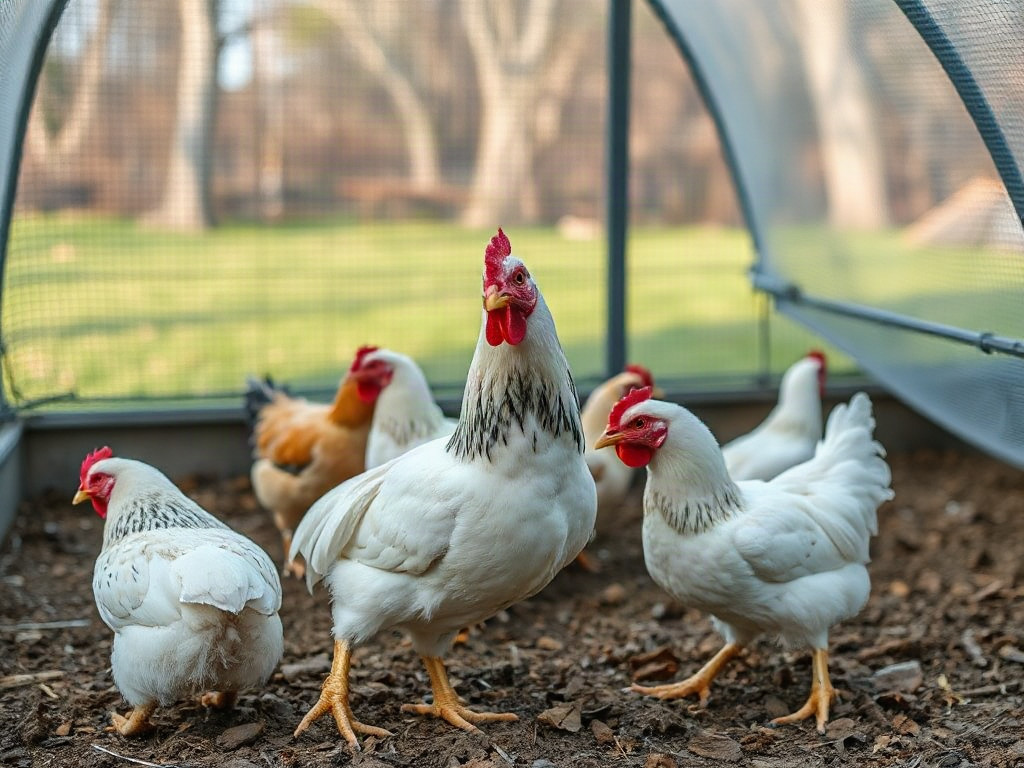
The best livestock for a small self-sustaining homestead are laying hens, meat rabbits, and carefully selected goats because they provide useful food with modest space, manageable feed needs, and multiple household benefits. Hens supply eggs and manure, rabbits convert forage and purchased feed into meat efficiently, and goats can provide…

, , , , ,
Self Reliance

Best Water Sources for an Off-Grid Self-Sustainable Home That Hold Up Year-Round

The best water sources for an off-grid self-sustainable home are a protected well, properly collected rainwater, a dependable spring, and surface water used only after rigorous treatment; the right mix depends on aquifer depth, rainfall, seasonal flow, storage capacity, and local rules.

, , , ,
Self Reliance

How Much Land Is Needed for Off-Grid Self-Sustainability: Foods, Water, and Livestock

Off-grid self-sustainability commonly requires about 2–10 acres per person, but the workable amount depends on climate, soil, water access, food goals, livestock, and how much outside supply you accept. A small, intensively managed homestead may produce vegetables, fruit, eggs, and some staples on 1–2 acres, while a household raising animals…

, , , ,
Scroll to Top