Self Reliance

Storing animal feed safely through humid summers
Self Reliance

Storing Animal Feed Safely Through Humid Summers With Dry Bins, Airflow, and Stock Rotation

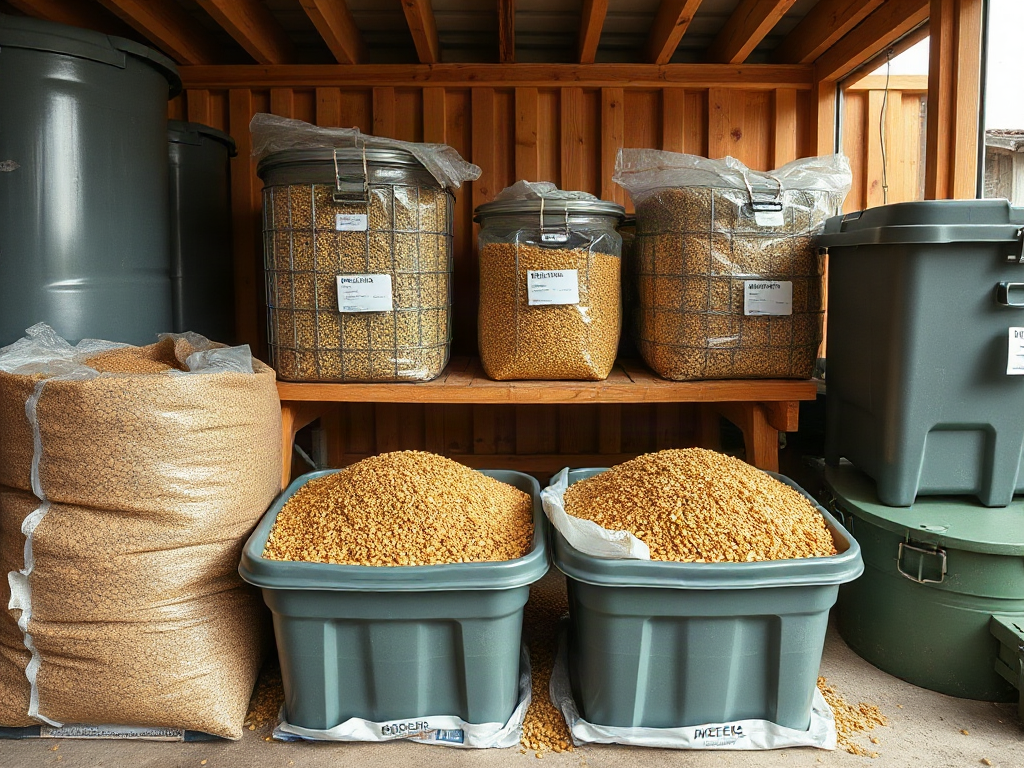
Storing animal feed safely through humid summers means limiting moisture exposure with sealed bins, a dry raised storage area, steady airflow, and stock rotation based on purchase dates. Keep bags off concrete and exterior walls, transfer opened feed into clean food-grade containers, and avoid mixing a new batch into old residue.
, , , ,
Preventing rodent damage in homestead feed storage
Self Reliance

Preventing Rodent Damage in Homestead Feed Storage: Containers, Barriers, and Inspection Methods

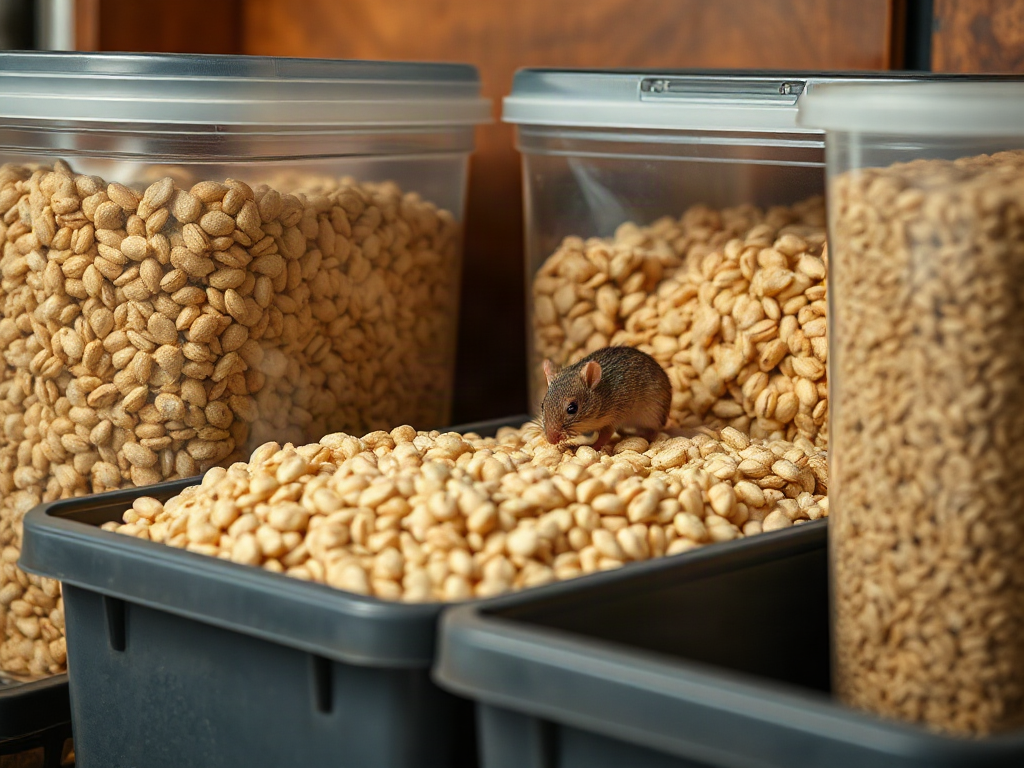
Preventing rodent damage in homestead feed storage depends on removing easy access to feed, blocking entry routes, and detecting activity before contamination spreads. Keep grain and pellets in tightly lidded metal containers, raise them off damp floors, clean spills promptly, and seal openings around doors, walls, pipes, and roof edges.

, , , ,
Self Reliance

Learning Basic Chainsaw Safety Before Cutting Firewood: A Pre-Cut Checklist for PPE, Kickback, and Log Support

Basic chainsaw safety before cutting firewood means inspecting the saw, wearing chainsaw-resistant leg protection and other protective gear, controlling the kickback zone, and supporting each log so the guide bar will not pinch or strike the ground.

, , , , ,
Choosing a reliable homestead power backup
Self Reliance

Choosing a Reliable Homestead Power Backup (Load Math, Runtime, and Transfer Methods)

A reliable homestead power backup should match essential electrical loads, deliver enough surge capacity for pumps and motors, and remain operable through the longest likely outage. Calculate running watts and startup demand separately, then compare generator fuel storage, battery usable capacity, solar recharge limits, and seasonal conditions.

, , , ,
Marking utility lines before digging homestead projects
Self Reliance

Marking Utility Lines Before Digging Homestead Projects — Steps From 811 Request to Safe Excavation

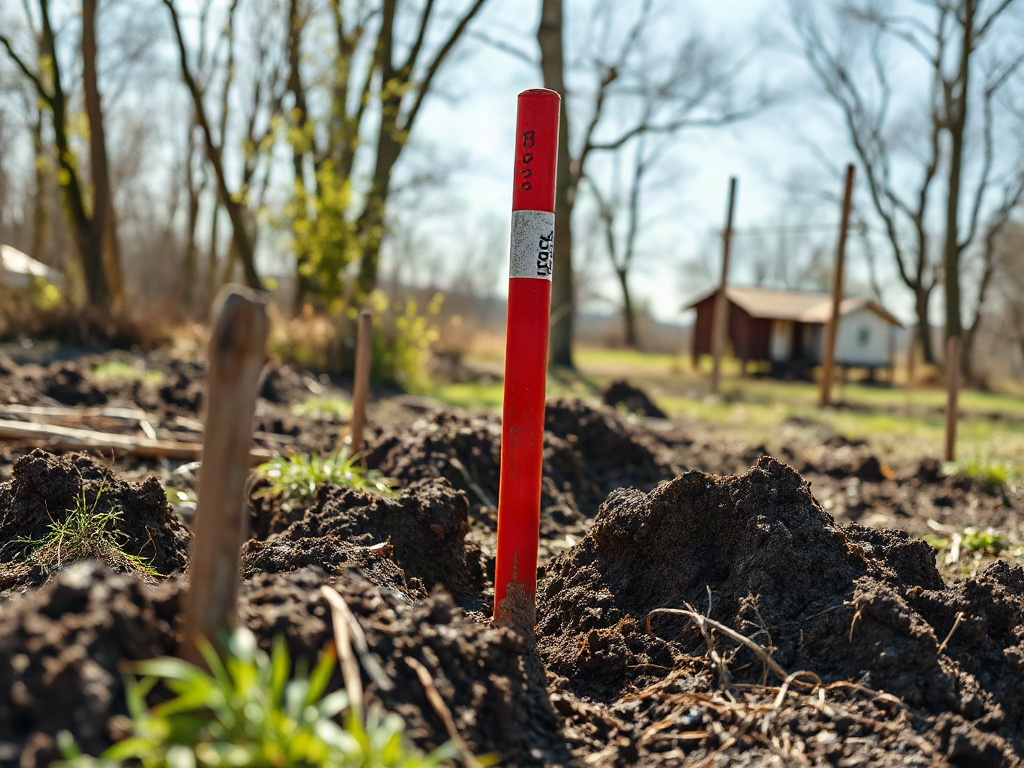
Marking utility lines before digging homestead projects should begin with an 811 locate request, followed by a site walk, verification of every marked route, and cautious exposure where planned excavation approaches a utility. Provide precise work-area boundaries, wait for all notified operators to respond, and preserve the colored flags and paint until digging is finished.

, , ,
Calculating break-even time for homestead infrastructure
Self Reliance

Calculating Break-Even Time for Homestead Infrastructure (Costs, Savings, and Replacement Timing)

Calculate the break-even time for homestead infrastructure by dividing the project’s net upfront cost by its expected annual net savings, then testing whether maintenance, financing, replacement timing, and changes in utility or input prices alter the result.

, , ,
Prioritizing homestead purchases when cash is limited
Self Reliance

Prioritizing Homestead Purchases When Cash Is Limited — A Needs-First Buying Order

Prioritize homestead purchases when cash is limited by funding safety, water, shelter, food preservation, and income-protecting repairs before convenience tools or production expansions. Rank each purchase by the harm caused if you delay it, whether a repair or rental can cover the need, and how often the item will be used.

, , , ,
Making a realistic homestead startup budget
Self Reliance

Making a Realistic Homestead Startup Budget With Cost Ranges and Cash Reserves

A realistic homestead startup budget separates property acquisition from essential infrastructure, income-producing projects, recurring expenses, and a protected cash reserve. Price each item as a low-to-high range, obtain local quotes for wells, septic work, fencing, power, and site preparation, then schedule purchases by season and necessity rather than buying everything at once.

, , , ,
Self Reliance

Managing Homestead Pests Without Harming Beneficial Wildlife: A Habitat-Safe Control Plan

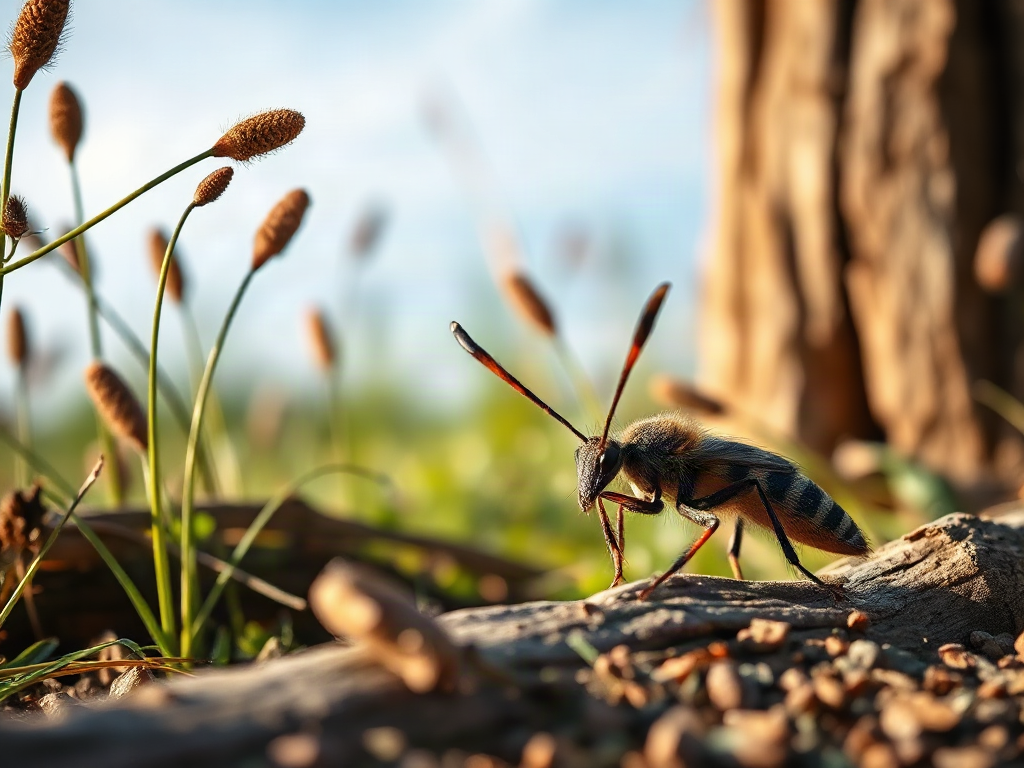
Managing homestead pests without harming beneficial wildlife means identifying the actual pest, reducing food and shelter that attract it, and using the least disruptive control that fits the situation. Begin by inspecting damaged plants, droppings, tracks, feeding times, and nearby hiding places rather than treating every unfamiliar animal as a threat.

, , , ,
Scroll to Top