Self Reliance

Self Reliance

Choosing Hand Tools for a Small Homestead Garden That Match Soil, Crops, and Workload

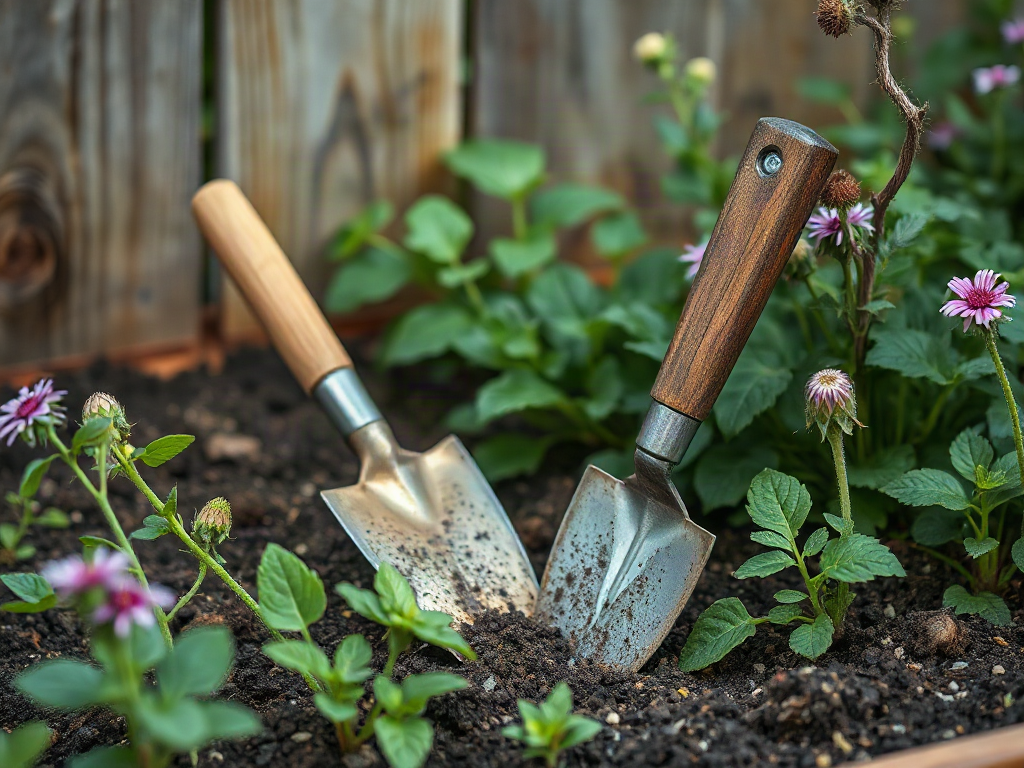
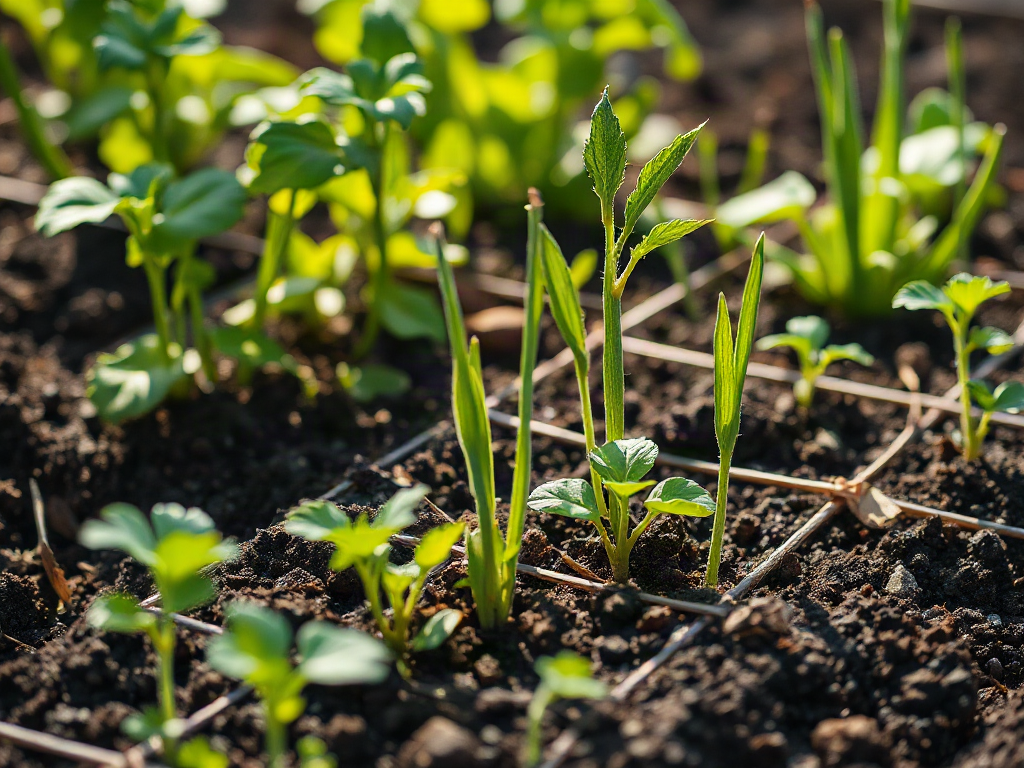
Choosing hand tools for a small homestead garden means matching each tool to your soil, crop spacing, and expected workload rather than buying a large kit. A sturdy trowel handles transplanting, a narrow hoe manages weeds between rows, a digging fork loosens compacted beds, bypass pruners cut live stems cleanly…
, , , , ,
Self Reliance

Starting Seeds Indoors Without Expensive Equipment: A Low-Cost Setup That Actually Works

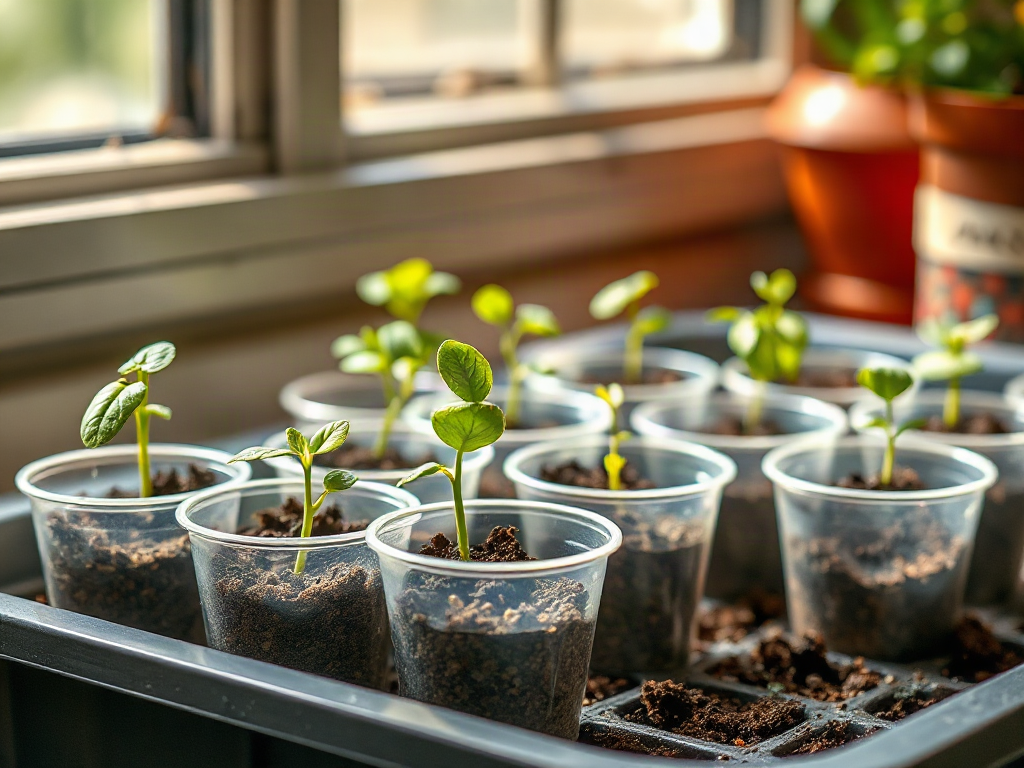
Starting seeds indoors without expensive equipment works with a bright window or basic LED light, clean containers, drainage, a lightweight seed-starting mix, and steady moisture. Use recycled cups or food containers with holes, place them in a warm location, and move seedlings close to a light source as soon as they emerge.

, , , ,
Self Reliance

What to Do When a First Garden Fails: A Crop-by-Crop Recovery Checklist

When a first garden fails, document what happened, identify whether water, sunlight, soil, pests, disease, timing, or overcrowding caused the loss, then replant only a small selection suited to the remaining season. Pull and discard diseased plants, inspect roots and leaves, test questionable soil, and compare actual sunlight with seed-packet requirements.

, , ,
Self Reliance

When Should Beginners Start Planting a Homestead Garden? A Frost-Ready Timing Plan

Beginners should start planting a homestead garden when local soil has warmed enough for the selected crops and the final hard frost has passed, using a staggered schedule rather than one planting day. Cool-season vegetables such as peas, spinach, and onions can often go in several weeks before the last…

, , , ,
Self Reliance

What Homesteading Tasks Require Daily Attention—A Practical Chore Schedule

What homesteading tasks require daily attention usually include checking water, feeding and observing livestock, collecting eggs, inspecting gardens, managing food storage, and reviewing weather-sensitive chores. These routines matter because animals can become dehydrated quickly, leaks can waste limited water, pests may spread before damage is obvious, and spoiled food can create avoidable losses.

, , , ,
Self Reliance

Avoiding Burnout During the First Homesteading Year: A Seasonal Workload Reset

Avoiding burnout during the first homesteading year depends on limiting active projects, matching work to seasonal capacity, and protecting recovery time before exhaustion becomes a crisis. Choose one primary production goal, keep essential chores simple, and schedule maintenance days rather than treating every open hour as available labor.

, , , , ,
Self Reliance

Which Homestead Projects Should Beginners Start First? A Practical Order for Food, Water, and Skills

Beginners should start with a small kitchen garden, composting, basic food preservation, and a dependable water-use routine before adding animals, orchards, or major construction. These projects offer quick feedback, modest startup costs, and skills that transfer to larger homestead systems.

, , , ,
Self Reliance

Small-Space Homesteading Ideas for Complete Beginners: Foods, Systems, and First-Year Mistakes

Small-space homesteading ideas for complete beginners work best when they focus on a few productive systems—container vegetables, herbs, composting, food preservation, and simple water management—rather than trying to recreate a full farm. Choose projects that match your sunlight, storage, time, and local rules, then begin with one growing area and one household skill.

, , , ,
Scroll to Top