Self Reliance

Fastest-growing living fence plants for homesteads
Self Reliance

Fastest-Growing Living Fence Plants for Homesteads—Species, Spacing, and Establishment Timing

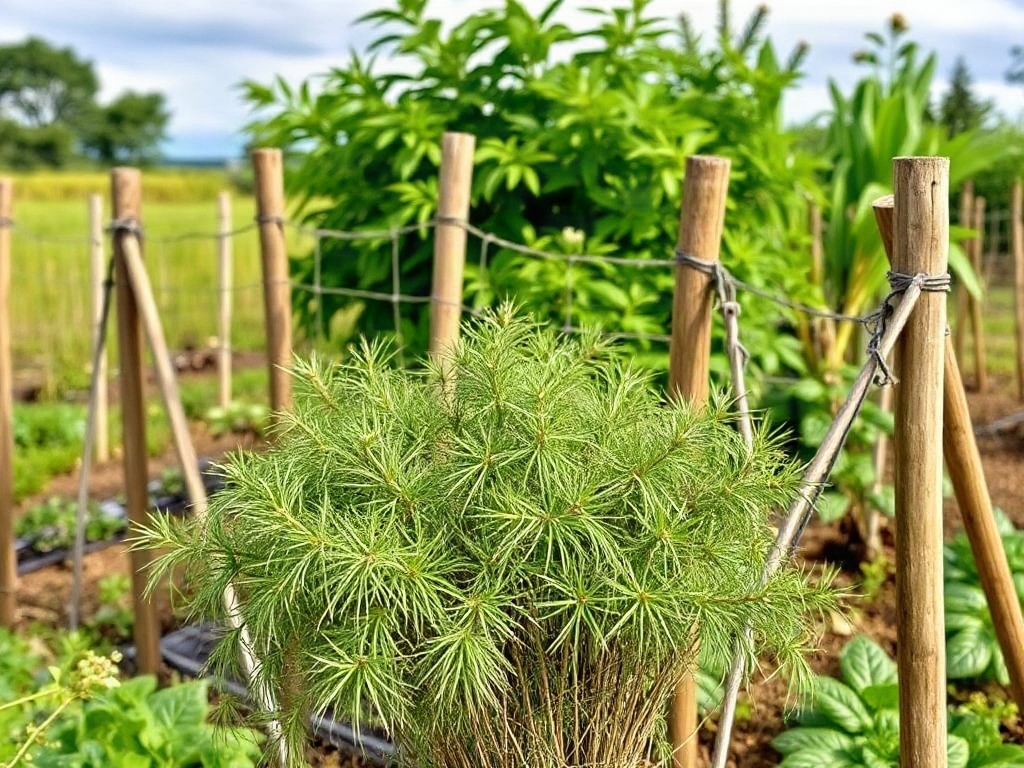
The fastest-growing living fence plants for homesteads are willow, hybrid poplar, bamboo, osage orange, privet, and regionally suitable thorny shrubs, but the best species depends on climate, soil moisture, livestock pressure, and the barrier’s purpose.
, , ,
Gardening classes for beginners: what skills matter first
Self Reliance

Gardening Classes for Beginners: What Skills Matter First—A Six-Skill Priority Checklist

Gardening classes for beginners should teach site assessment, soil preparation, plant selection, watering, observation, and basic maintenance before advanced techniques. These skills help a new gardener match crops to sunlight and season, judge soil moisture below the surface, space plants correctly, and recognize stress before damage spreads.

, , , , ,
Self-sufficient producer decisions using limited resources
Self Reliance

Self-Sufficient Producer Decisions Using Limited Resources: Examples of What to Produce, Trade, or Defer

Self-sufficient producer decisions using limited resources should favor essential outputs that match available land, labor, water, energy, skills, and storage rather than trying to produce everything at home. Rank needs by consequence, calculate each activity’s full resource demand, and compare home production with trading or buying from a reliable source.

, , , ,
Urban homesteading for beginners with limited outdoor space
Self Reliance

Urban Homesteading for Beginners With Limited Outdoor Space — A Small-Space Food and Compost Plan

Explore urban homesteading for beginners with limited outdoor space through space before buying supplies, considering the conditions that change the outcome.

, , , , ,
Homesteading lifestyle changes that affect daily routines
Self Reliance

Homesteading Lifestyle Changes That Affect Daily Routines—Work Rhythms, Chores, and Household Tradeoffs

Homesteading lifestyle changes reshape daily routines by tying work rhythms to animal needs, weather, daylight, food production, and the maintenance of essential systems. Morning and evening chores become less optional, while errands, meals, paid work, and time away from home must fit around feeding, watering, harvesting, and seasonal deadlines.

, , , ,
Keeping sheep for beginners: fencing, feed, and shelter
Self Reliance

Keeping Sheep for Beginners—Fencing, Feed, and Shelter Setup Checklist

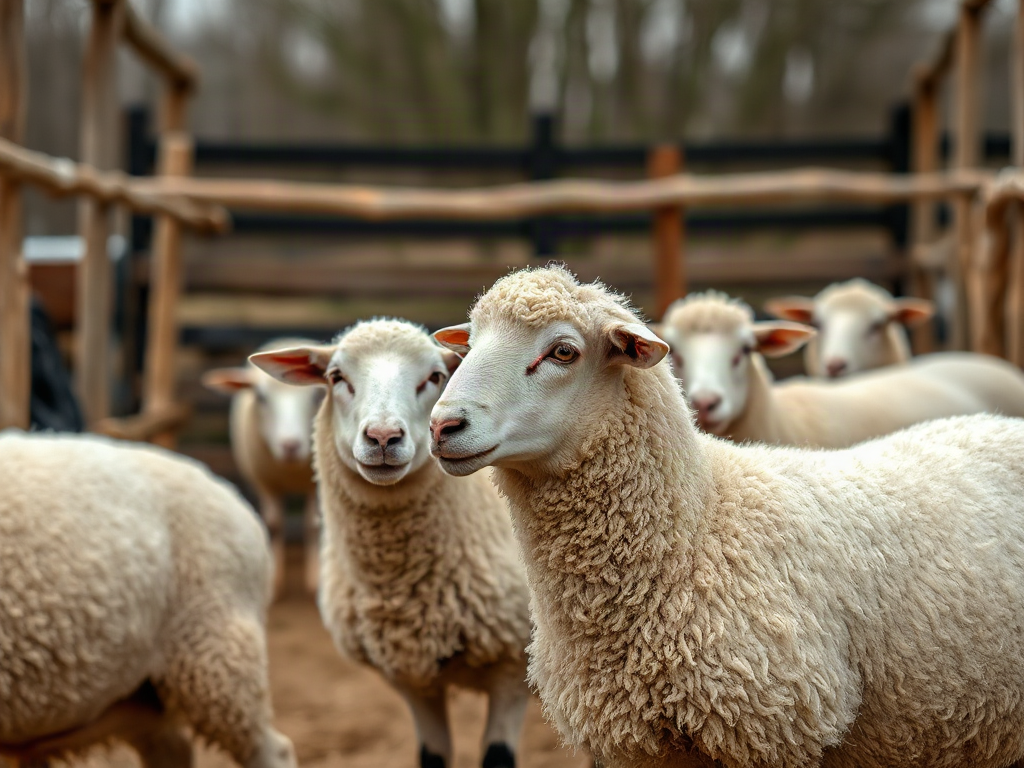
Keeping sheep successfully as a beginner means combining secure fencing, forage-based feed, and dry shelter with daily checks for health, water, and escape risks. Use sheep-safe woven wire or well-trained electric fencing, provide pasture or tested hay with sheep-formulated minerals, and keep clean water available at all times.

, , , ,
Raised beds for beginners: depth, drainage, and access
Self Reliance

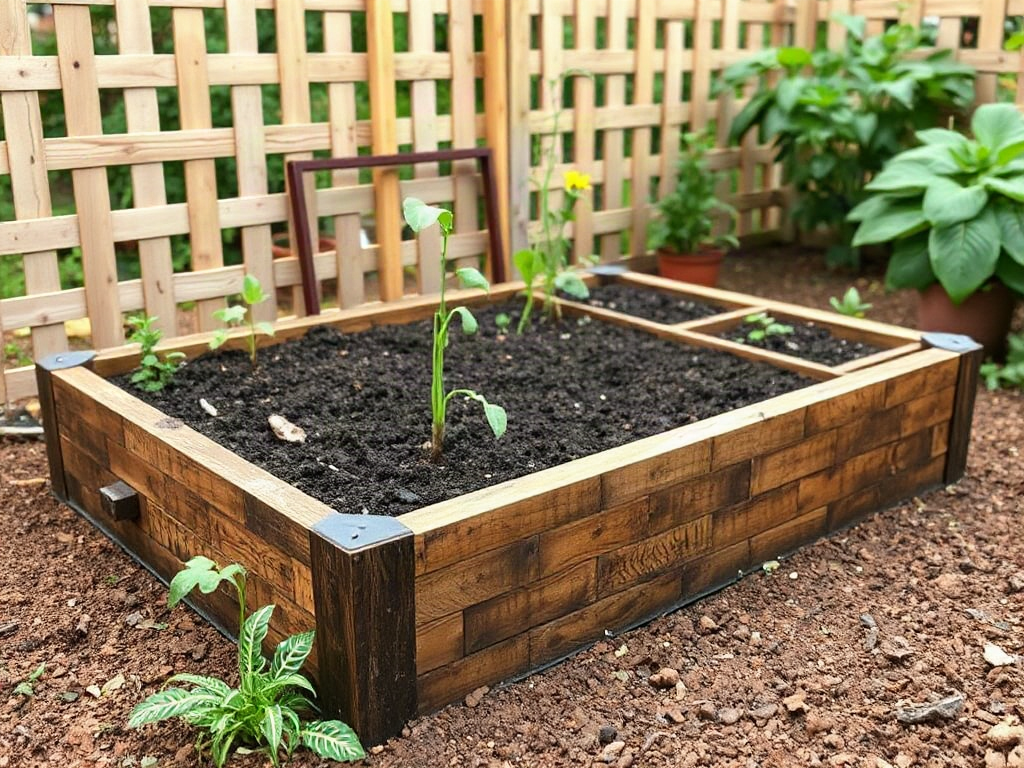
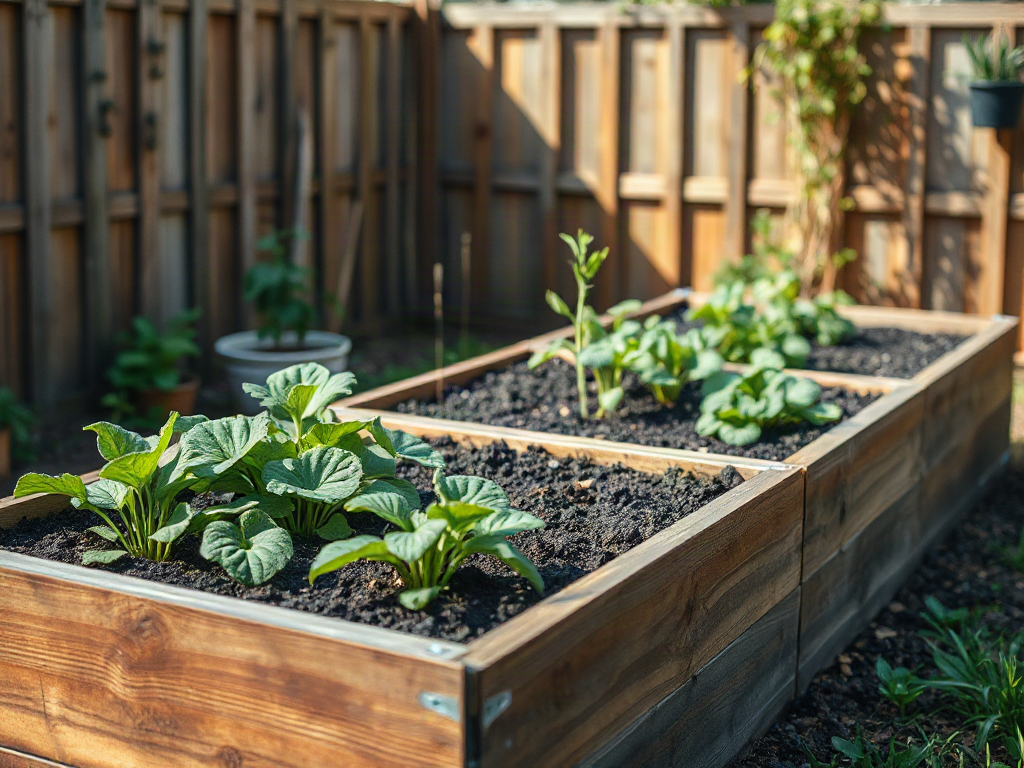
Raised Beds for Beginners: Depth, Drainage, and Access—Sizing Methods and Setup Mistakes

A beginner raised bed should have enough soil depth for the intended roots, free drainage beneath the growing mix, and access that never requires stepping into the bed. About 8–12 inches of soil suits many leafy greens, herbs, and compact vegetables, while deeper-rooted crops benefit from 12–18 inches or usable soil below an open-bottom frame.

, , , ,
Scroll to Top