Self Reliance

Homesteading in South Dakota: weather and growing constraints
Self Reliance

Homesteading in South Dakota: Weather and Growing Constraints—Frost Dates, Wind, and Crop Timing

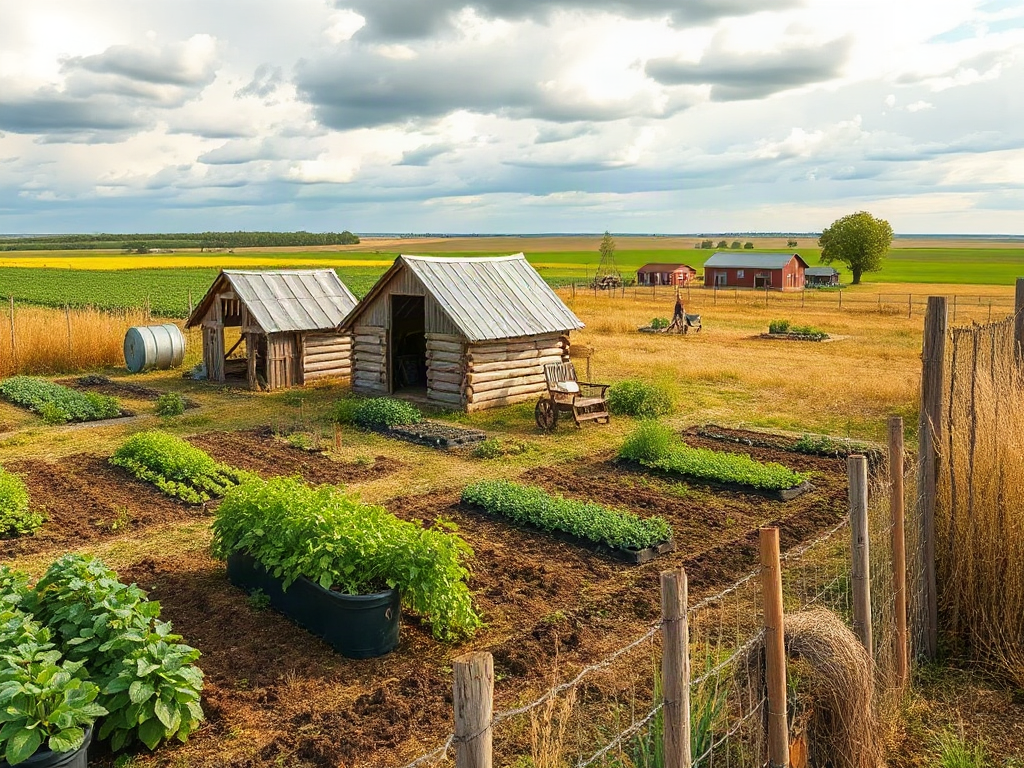
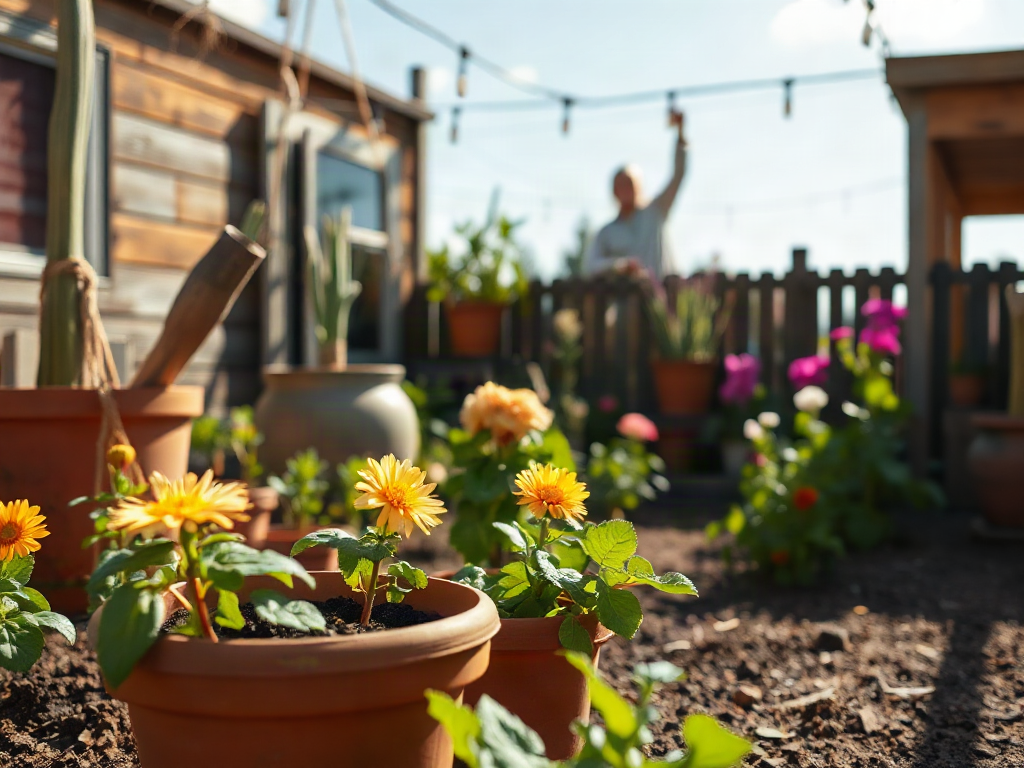
Successful homesteading in South Dakota means matching crop timing and infrastructure to short frost-free periods, abrupt temperature swings, persistent wind, and uneven moisture. Gardeners should choose cold-tolerant or fast-maturing varieties, protect seedlings from late spring freezes, and reserve warm-season crops for the most sheltered ground.
, , , ,
Self-sufficient farm planning for food and utility needs
Self Reliance

Self-Sufficient Farm Planning for Food and Utility Needs—Land, Energy, and Storage Priorities

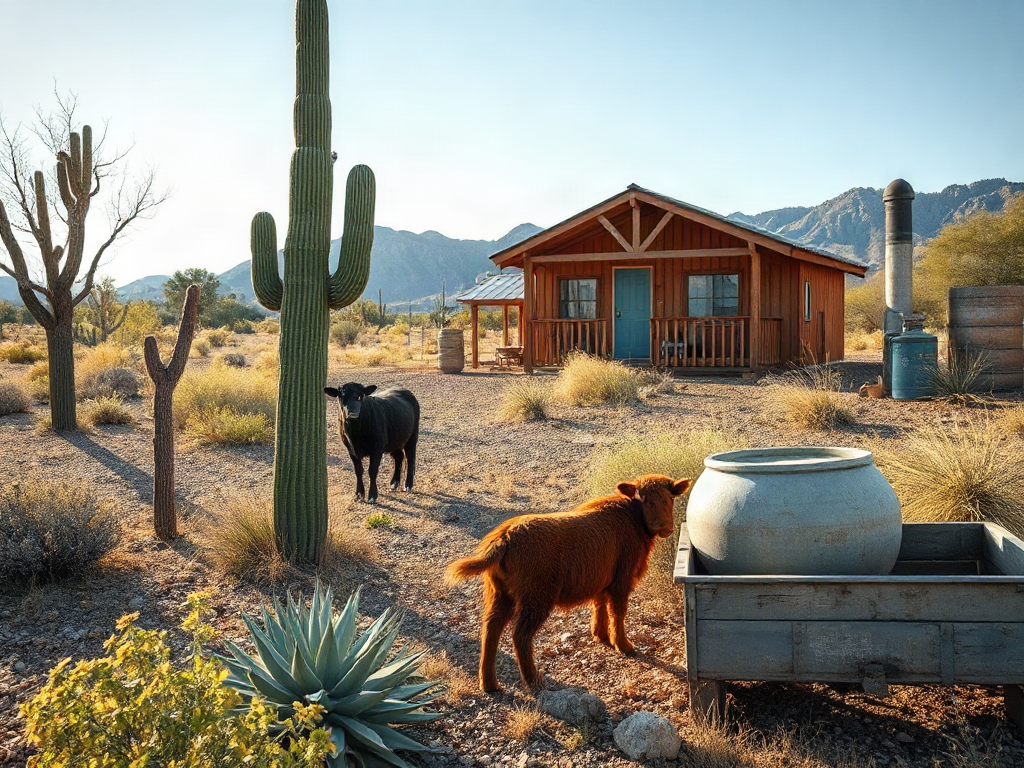
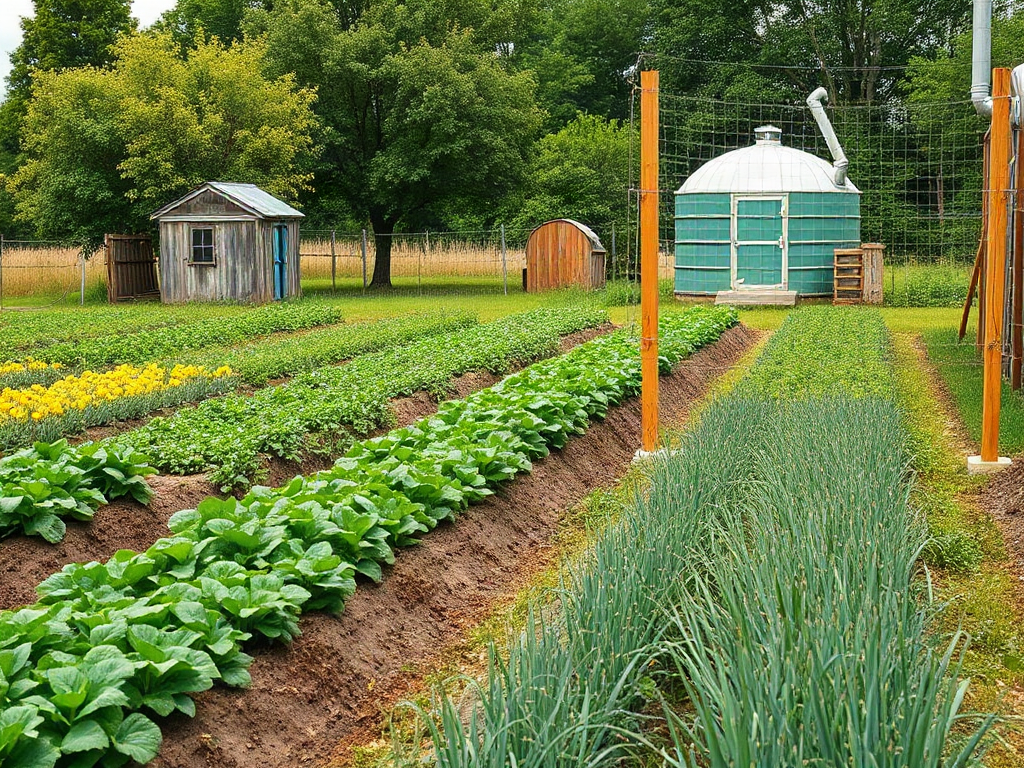
A self-sufficient farm should match food production and utility systems to the land’s usable soil, dependable water supply, household demand, and available labor before acreage is assigned. Plan staple foods, fresh produce, livestock, energy, sanitation, and storage as connected systems rather than separate projects.

, , , ,
Easy-to-grow seeds for beginners with limited time
Self Reliance

Easy-to-Grow Seeds for Beginners With Limited Time: Which Crops Need the Least Daily Care?

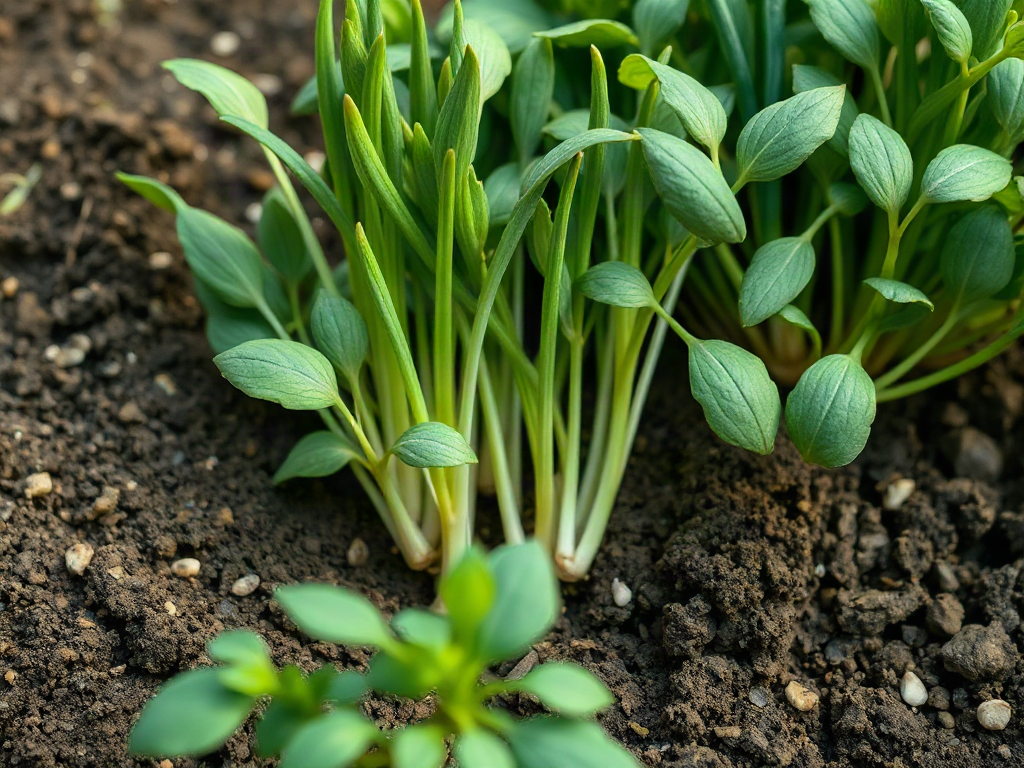
Easy-to-grow seeds for beginners with limited time include radishes, bush beans, loose-leaf lettuce, zucchini, peas, and reliable herbs such as basil and dill. These crops germinate readily when planted in the correct season, tolerate simple sowing methods, and produce without pruning or elaborate support.

, , , ,
Self-sustaining farm systems that reduce outside inputs
Self Reliance

Self-Sustaining Farm Systems That Reduce Outside Inputs—Closed Loops for Soil, Water, and Feed

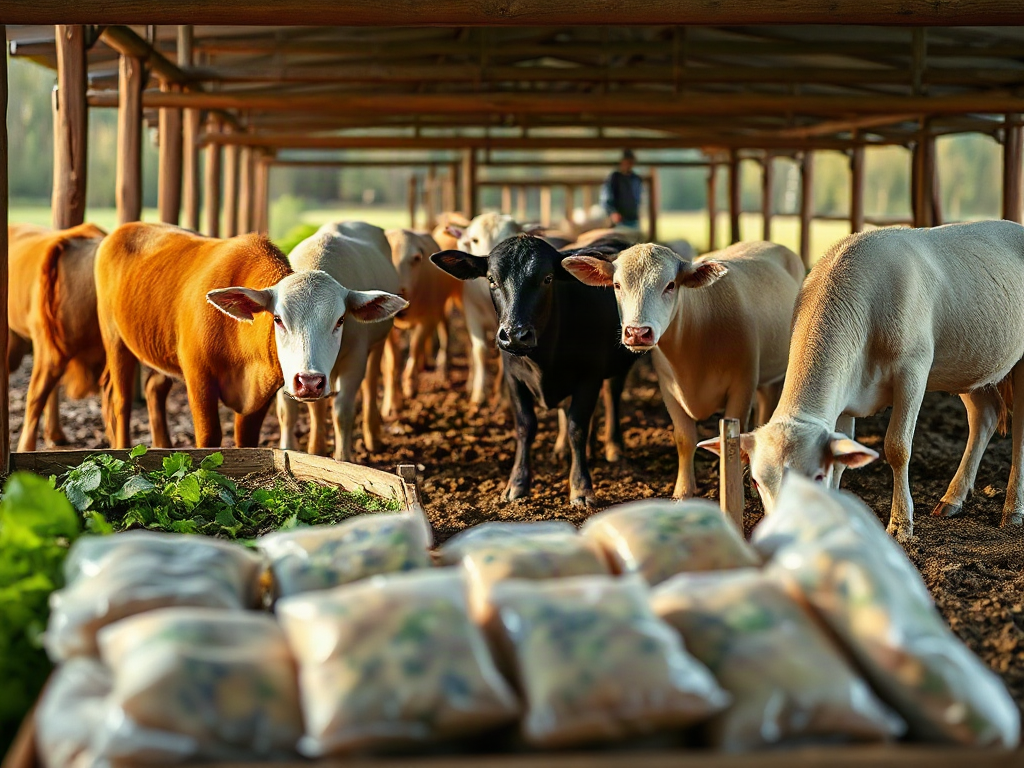
Self-sustaining farm systems reduce outside inputs by cycling nutrients, capturing water, producing part of their own livestock feed, and matching animal numbers to the land’s carrying capacity. Reliable systems connect compost, manure, crop residues, cover crops, rotational grazing, and stored rainfall without assuming the farm can become completely independent.

, , ,
Self-seeding vegetables for low-input gardens
Self Reliance

Self-Seeding Vegetables for Low-Input Gardens—Reliable Crops, Methods, and Mistakes

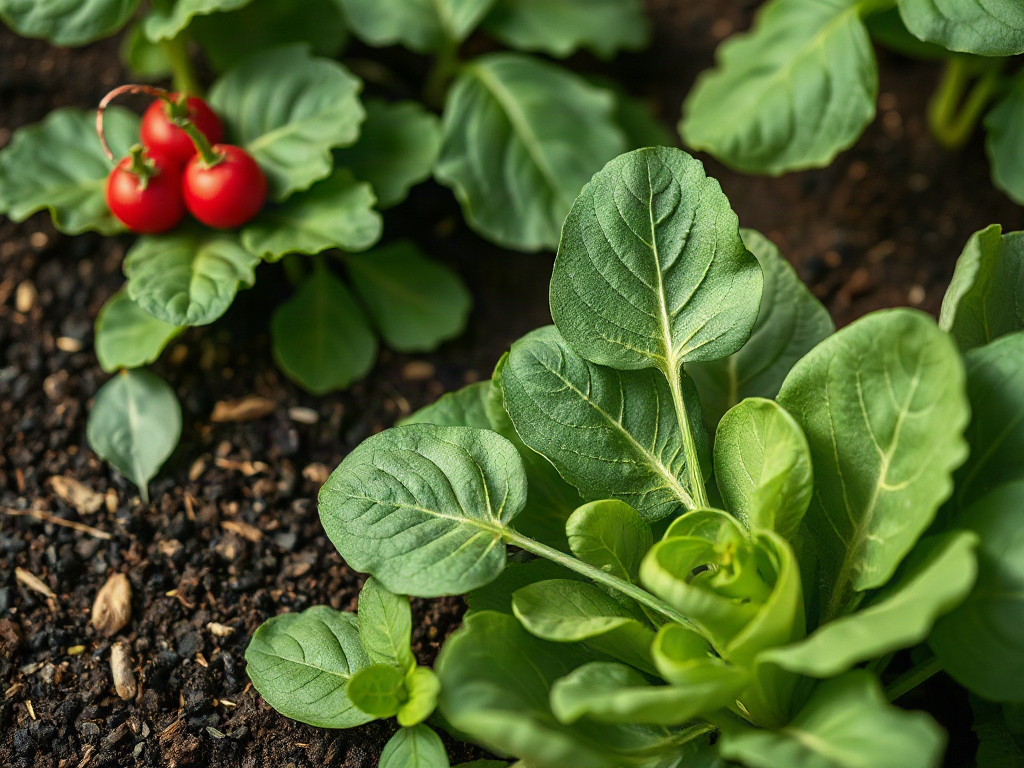
Self-seeding vegetables for low-input gardens work best when hardy, open-pollinated crops are allowed to flower, mature seed, and drop it onto lightly disturbed soil. Arugula, lettuce, radish, mustard greens, chard, and certain tomatoes are dependable candidates, but their success depends on climate, seed maturity, moisture, and leaving some bare ground beneath parent plants.

, , ,
Self-picking farms and practical homestead harvests
Self Reliance

Self-Picking Farms and Practical Homestead Harvests: Crop Timing, Field Methods, and Storage

Self-picking farms and practical homestead harvests work best when crop timing, field methods, and storage are treated as one continuous process rather than separate tasks. Pick during the farm’s recommended maturity window, handle produce by its strongest structural part, keep filled containers shaded, and cool perishable crops promptly.

, , , ,
Greenhouses for beginners: choosing size, glazing, and ventilation
Self Reliance

Greenhouses for Beginners—Choosing Size, Glazing, and Ventilation With a Site-to-Setup Checklist

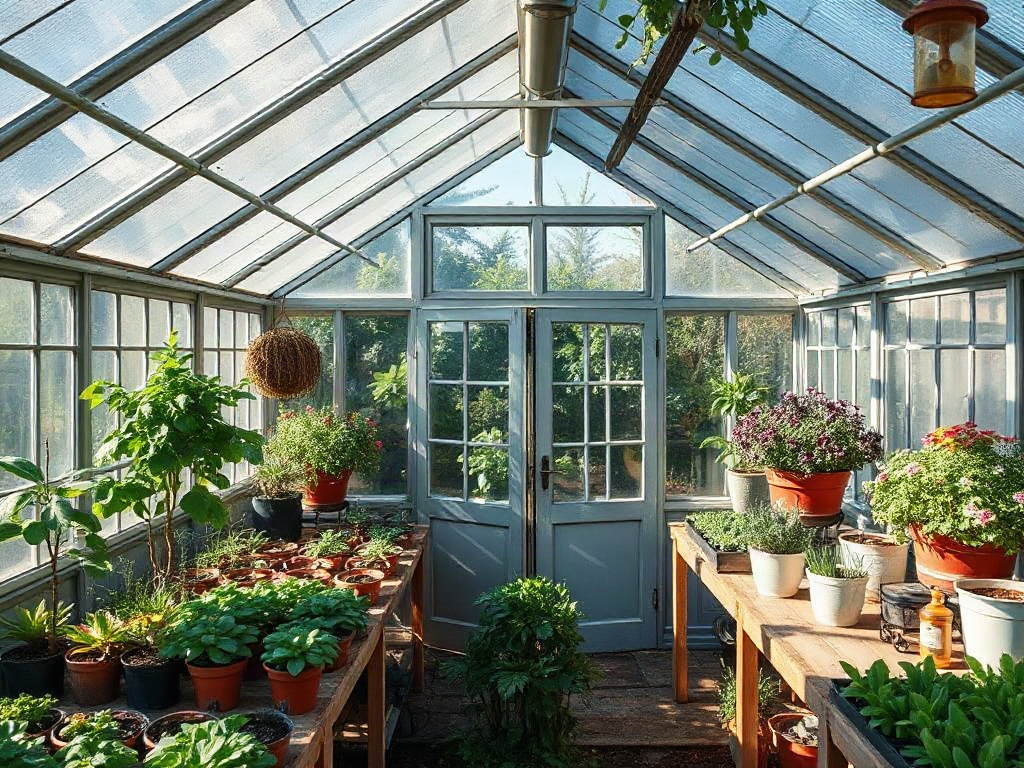
A beginner greenhouse should be large enough for full-grown plants and a workable aisle, glazed for the site’s wind, snowfall, sunlight, and budget, and ventilated through both low-level air inlets and high-level exhaust openings. Choose usable growing area rather than exterior dimensions alone, because benches, doors, water containers, and access quickly consume floor space.

, , , ,
Homesteading pigs: daily care, feed, and fencing
Self Reliance

Pig Homesteading—Daily Care, Feed, and Fencing That Hold Up Through Every Season

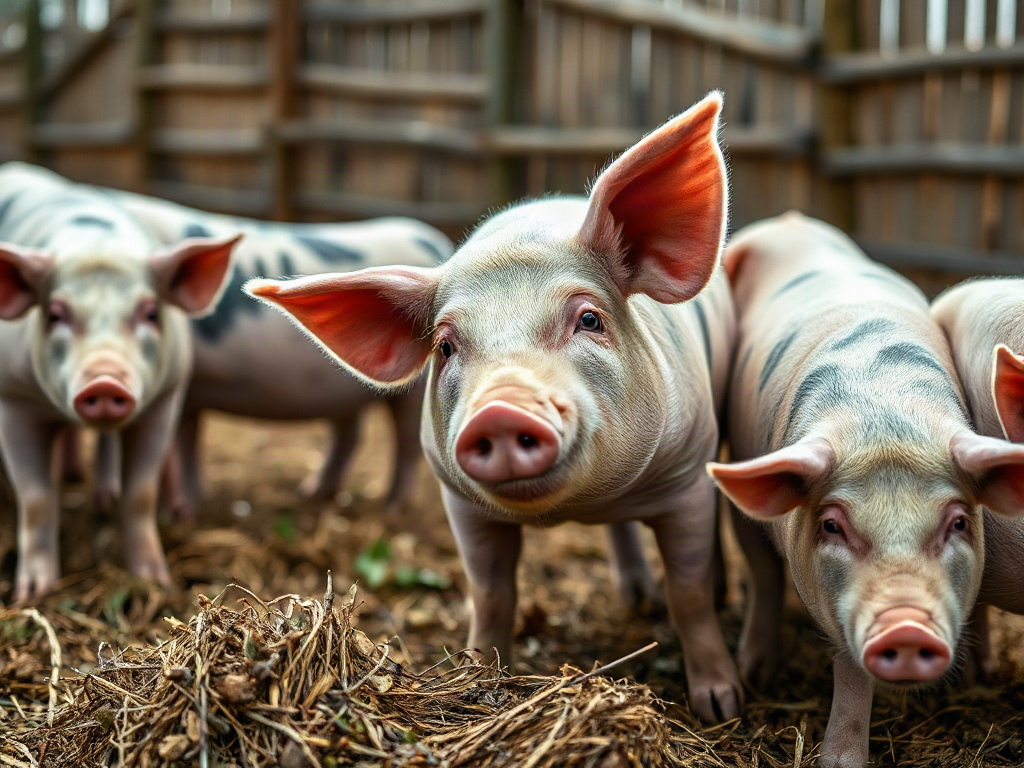
Successful pig homesteading combines twice-daily care, a balanced age-appropriate feed ration, constant clean water, and fencing designed to resist rooting pressure. Check appetite, movement, manure, skin, water flow, shade, bedding, and fence voltage each day so small problems are caught before pigs escape or become ill.

, , , , ,
Scroll to Top