Self Reliance

Greenhouse Heat Retention During Off-Grid Winters: Thermal Mass, Insulation, and Nighttime Protection

Greenhouse heat retention during off-grid winters depends on reducing nighttime heat loss, storing daytime warmth, and preventing cold air leakage without relying on continuous fuel or grid power. Prioritize a well-sealed structure, insulated north-facing surfaces, double-layer glazing or an interior thermal curtain, and water or stone thermal mass placed where sunlight reaches it.

, , , ,
Self Reliance

Crop Succession Planning for Year-Round Homestead Harvests With a Month-by-Month Planting Plan

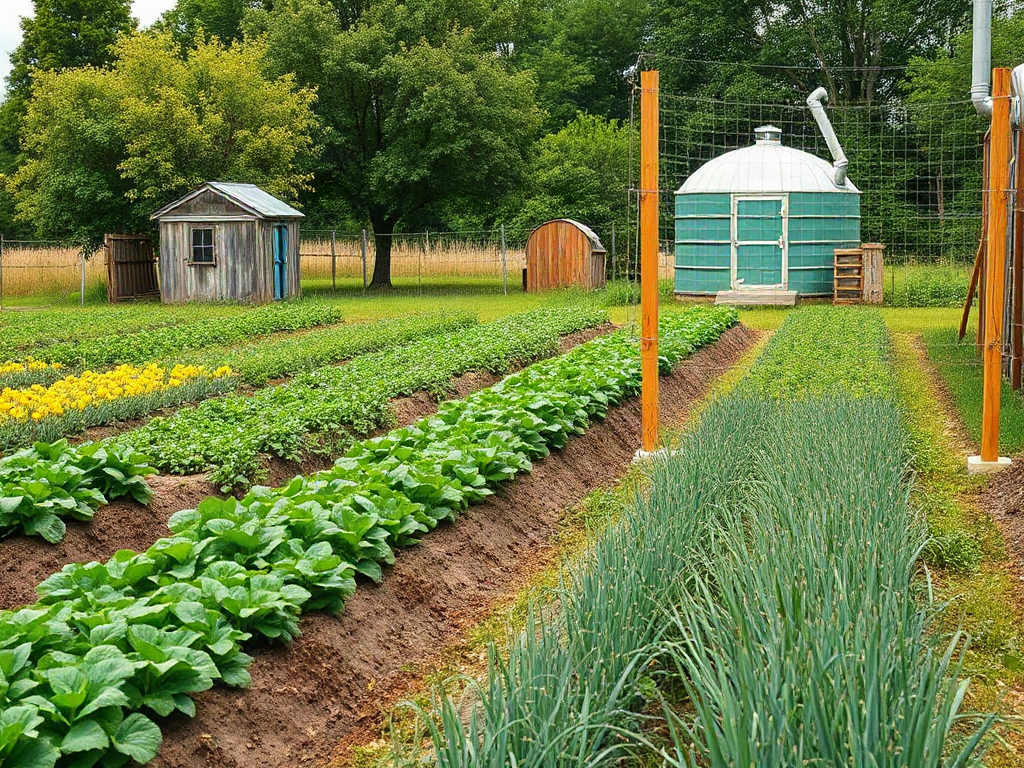
Crop succession planning for year-round homestead harvests means scheduling repeated sowings, seasonal crop changes, and protected plantings so beds produce food continuously rather than maturing all at once. The plan should match each crop’s days to harvest with local frost dates, soil recovery time, available water, and realistic household demand.

, , ,
Self Reliance

Meat Preservation Options Without Continuous Refrigeration: Curing, Drying, Canning, and Safe Use

Meat preservation options without continuous refrigeration include pressure canning, salting and curing, controlled drying, smoking paired with another preservation method, and carefully managed fermentation. Each method works by limiting microbial growth through heat, acidity, reduced moisture, increased salt, or several barriers used together.

, ,
Self Reliance

Fermentation Temperature Control for Off-Grid Food Storage Using Crocks, Coolers, and Evaporative Methods

Fermentation temperature control for off-grid food storage depends on holding the active ferment in a steady, food-appropriate range while limiting heat swings, contamination, and unnecessary power use. Insulated boxes, shaded storage, water-bath buffering, and evaporative cooling can moderate conditions when refrigeration is unavailable, but each method has limits in humid weather or during prolonged heat.

, , , ,
Self Reliance

Canning Pressure Adjustments at High Elevation: Tested Settings, Timing, and Common Mistakes

Canning pressure adjustments at high elevation depend on the canner type and the tested recipe’s pressure method: increase pressure for a weighted-gauge canner or adjust the dial-gauge pressure as altitude rises. Higher elevation lowers atmospheric pressure, so steam reaches the required processing temperature at a different gauge reading.

, , , , ,
Self Reliance

Household Water Testing Frequency for Self-Sustainable Living: A Seasonal Safety Schedule

Household water testing frequency for self-sustainable living should usually include a baseline test when a source or treatment system changes, routine checks at least annually, and additional testing after floods, repairs, unusual taste or odor, illness, or a major change in water quality.

, , , , ,
Self Reliance

Winter Water Freezing Prevention for Remote Homes: Pipe Protection, Heat Planning, and Emergency Steps

Winter water freezing prevention for remote homes depends on protecting exposed pipes, maintaining safe heat around vulnerable plumbing, and having a way to drain or isolate water when power or heating fails. Insulate supply lines, tanks, filters, and pump rooms, but leave access for inspection and protect insulation from moisture and rodents.

, , , ,
Self Reliance

Rainwater Disinfection After Roof Contamination Events: Timing, Methods, and Safety Checks

Rainwater disinfection after roof contamination events should begin by stopping collection, removing contaminated debris, flushing the roof and first-flush diverter, and treating stored water with a method suited to its intended use. Bird droppings, dead animals, smoke residue, floodwater, and roof-cleaning chemicals can introduce pathogens or contaminants that ordinary chlorination may not remove.

, , , ,
Self Reliance

Off-Grid Laundry Methods Minimizing Water and Energy With Hand Washing, Soaking, and Efficient Drying

Off-grid laundry methods minimizing water and energy rely on smaller loads, deliberate soaking, low-water hand washing, thorough wringing, and air drying rather than automatic washer cycles. A wash basin, plunger, or compact manual washer can clean everyday clothing with far less electricity, while pre-treating stains prevents repeated washes.

, , ,
Scroll to Top