Controlling Weeds Without Herbicides on a Homestead With a Seasonal Weed-Pressure Plan
Controlling Weeds Without Herbicides on a Homestead With a Seasonal Weed-Pressure Plan

Controlling Weeds Without Herbicides on a Homestead With a Seasonal Weed-Pressure Plan
Testing homestead soil before planting vegetables means collecting representative samples, checking pH and nutrient levels through a laboratory analysis, and matching amendments to the crops and soil conditions. Sample several spots from the intended bed, remove surface debris, mix subsamples from the root zone, and avoid testing freshly amended soil.
Testing homestead soil before planting vegetables means collecting representative samples, checking pH and nutrient levels through a laboratory analysis, and matching amendments to the crops and soil conditions. Sample several spots from the intended bed, remove surface debris, mix subsamples from the root zone, and avoid testing freshly amended soil.
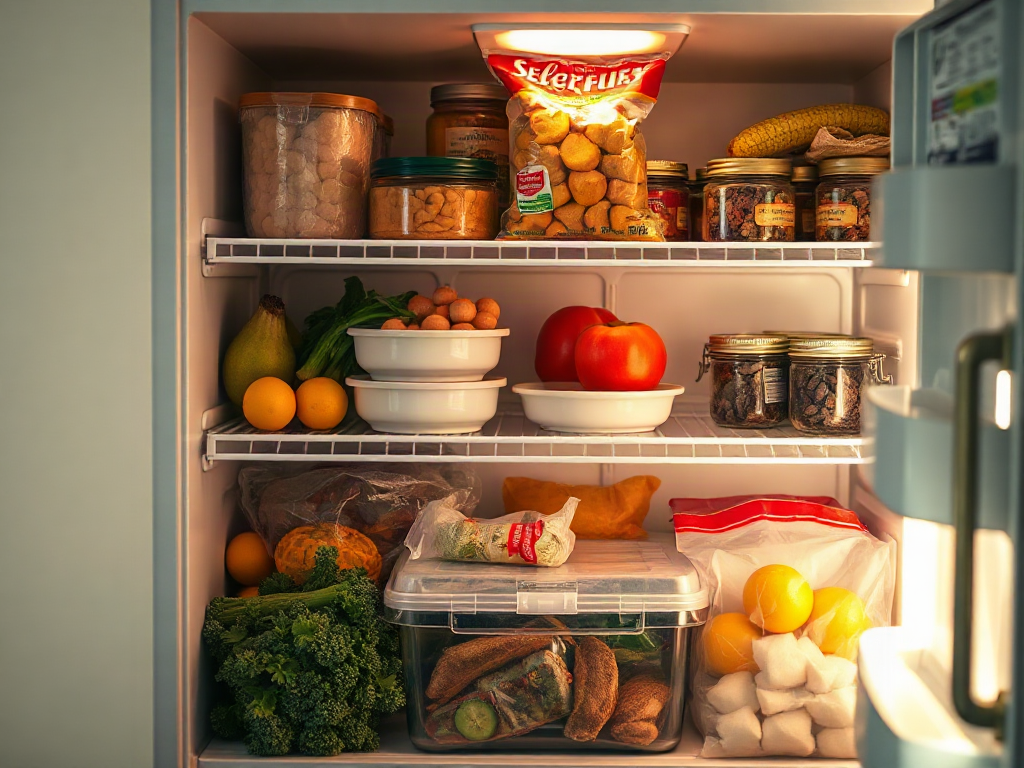
Keeping food safe during a homestead power failure depends on limiting warm exposure, preserving refrigerator and freezer temperatures, and separating questionable food before anyone eats it. Keep doors closed, move high-risk foods into a cooler with ice or frozen containers, and use a thermometer rather than smell to judge temperature.
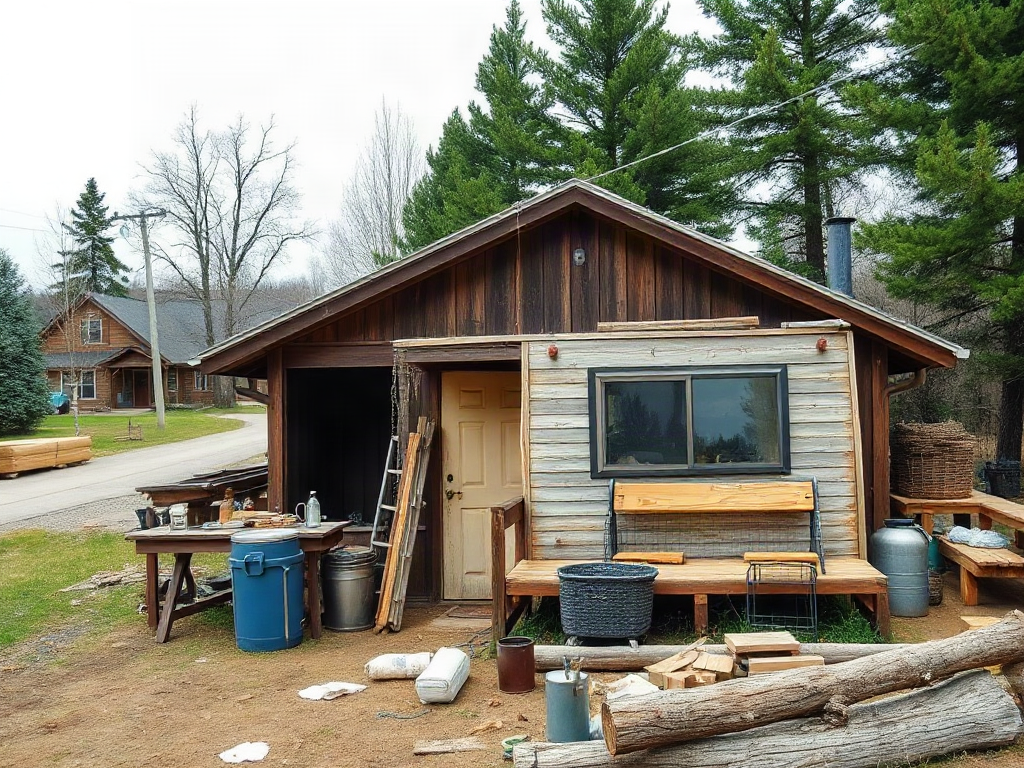
Creating a first-year homestead emergency plan means building a 30-day readiness system around water, food, shelter, communication, medical care, livestock, and evacuation. Start by listing hazards specific to the property, then assign backup actions for power loss, severe weather, injury, wildfire, and water failure.

Handling common injuries during homestead work means stopping the task, assessing the injury, giving appropriate first aid, and deciding promptly when professional care is needed. Clean minor cuts with running water, control bleeding with direct pressure, cool thermal burns with clean running water, and protect strains from further loading while swelling and function are monitored.
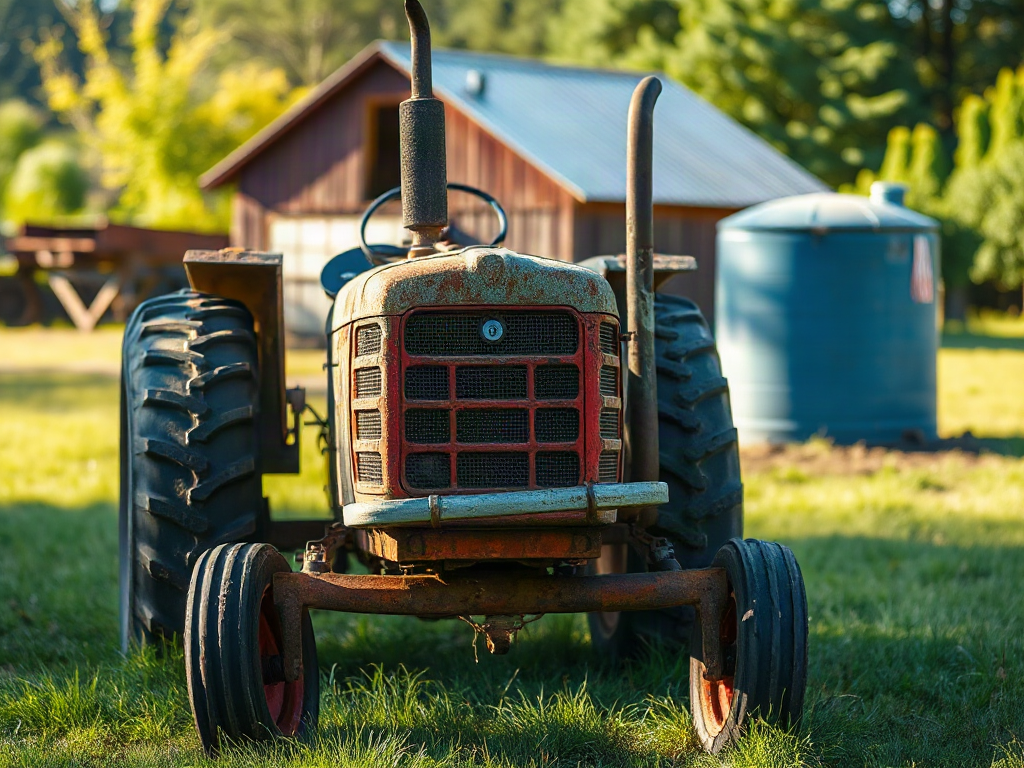
Explore buying used equipment for a beginner homestead through equipment to homestead work, including practical limits and conditions that change the outcome.

Track homestead expenses and returns by recording every cash cost, assigning shared expenses fairly, valuing household-use goods at a consistent price, and reviewing cash flow separately from estimated savings. Log seeds, feed, fencing, tools, utilities, processing supplies, and repairs as they occur, then record harvests, eggs, preserves, fuel, or other…
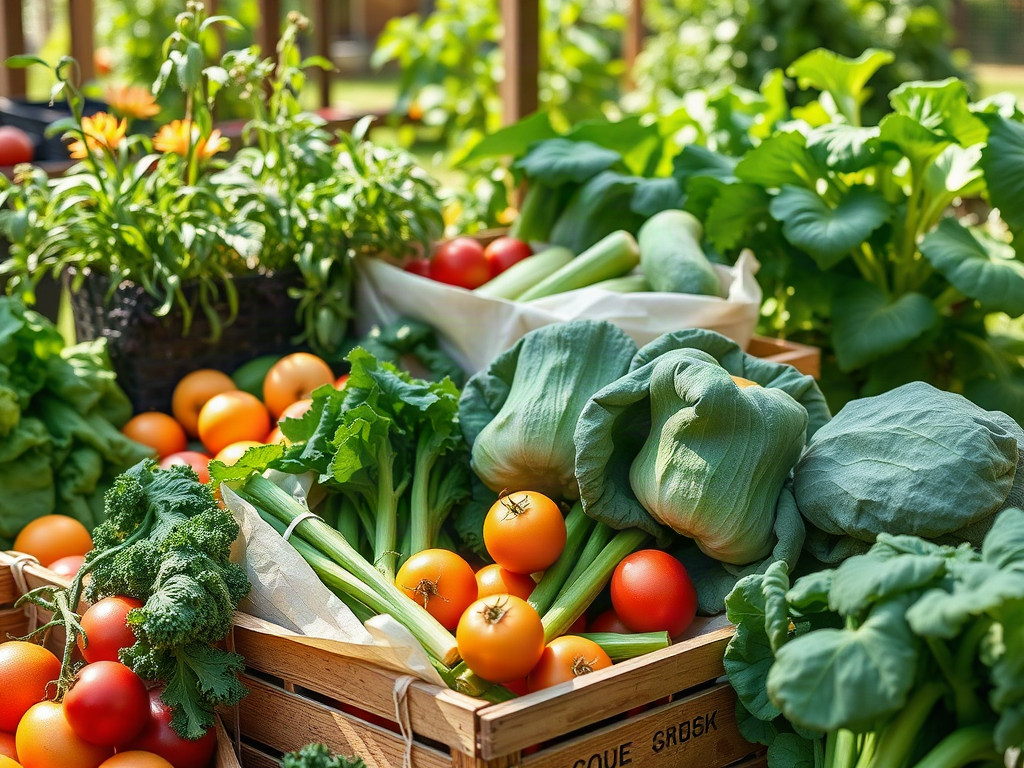
Selling extra garden produce legally as a beginner means confirming local sales rules, identifying which crops qualify for direct sale, using safe handling practices, and keeping simple records. Fresh, uncut fruits and vegetables often face fewer requirements than canned goods, baked items, cut produce, or products containing animal ingredients, but…
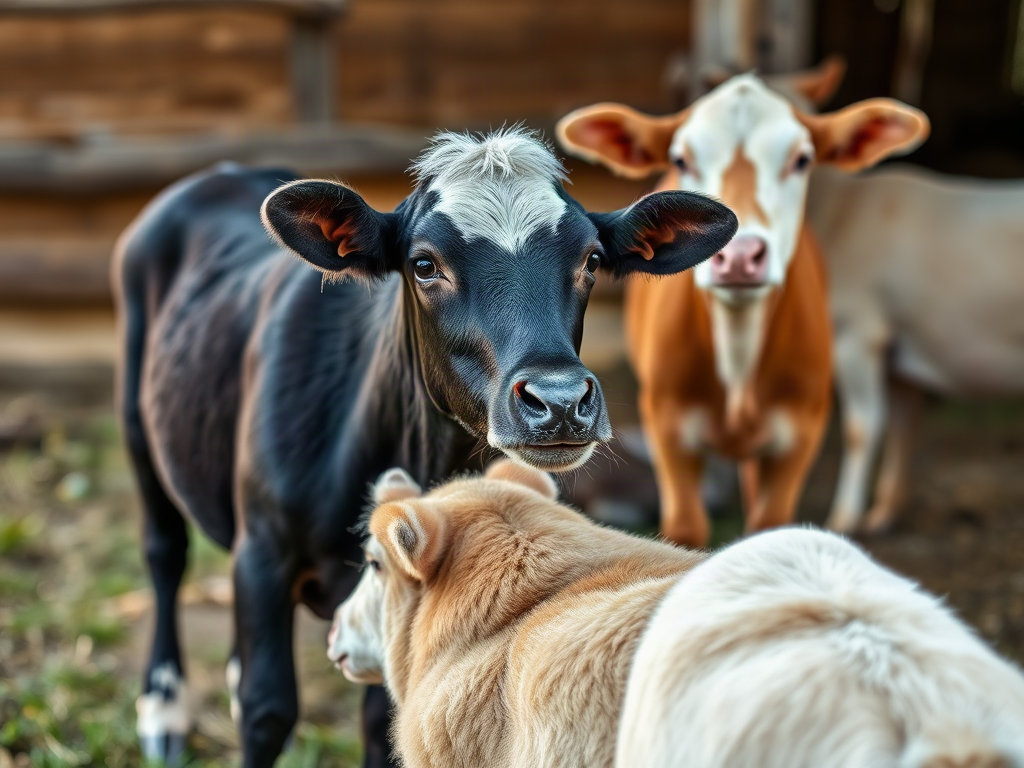
Learning animal care before keeping homestead livestock means practicing daily husbandry, feed handling, housing sanitation, restraint, and basic health observation before buying animals. A useful preparation period includes shadowing an experienced keeper, recording feed and water routines, assembling safe fencing and shelter, and arranging veterinary support for emergencies.