Author name: Homesteader

Marking Utility Lines Before Digging Homestead Projects — Steps From 811 Request to Safe Excavation
Self Reliance

Marking Utility Lines Before Digging Homestead Projects — Steps From 811 Request to Safe Excavation

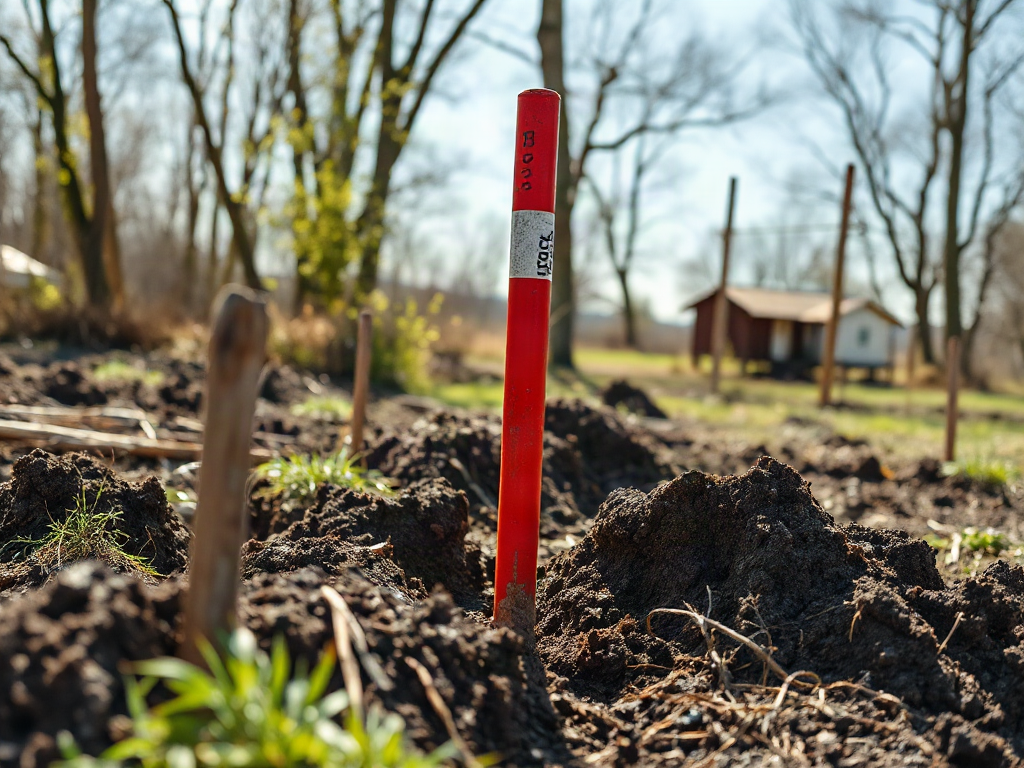
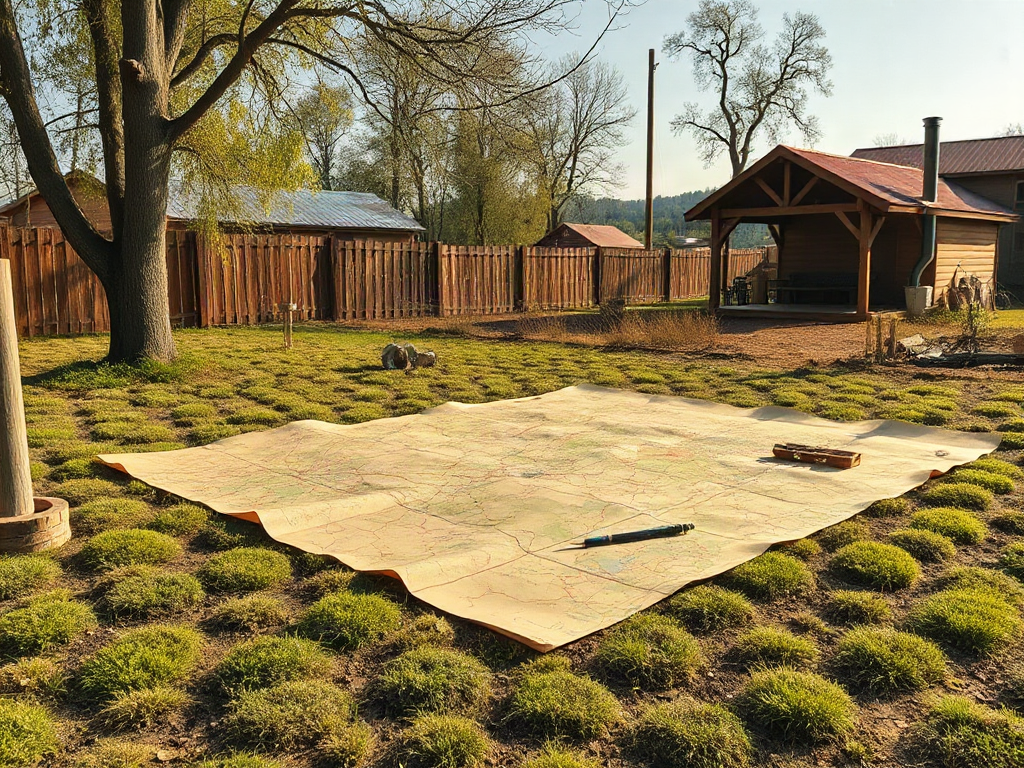
Marking utility lines before digging homestead projects should begin with an 811 locate request, followed by a site walk, verification of every marked route, and cautious exposure where planned excavation approaches a utility. Provide precise work-area boundaries, wait for all notified operators to respond, and preserve the colored flags and paint until digging is finished.
, , ,
Calculating Break-Even Time for Homestead Infrastructure (Costs, Savings, and Replacement Timing)
Self Reliance

Calculating Break-Even Time for Homestead Infrastructure (Costs, Savings, and Replacement Timing)

Calculate the break-even time for homestead infrastructure by dividing the project’s net upfront cost by its expected annual net savings, then testing whether maintenance, financing, replacement timing, and changes in utility or input prices alter the result.

, , ,
Prioritizing Homestead Purchases When Cash Is Limited — A Needs-First Buying Order
Self Reliance

Prioritizing Homestead Purchases When Cash Is Limited — A Needs-First Buying Order

Prioritize homestead purchases when cash is limited by funding safety, water, shelter, food preservation, and income-protecting repairs before convenience tools or production expansions. Rank each purchase by the harm caused if you delay it, whether a repair or rental can cover the need, and how often the item will be used.

, , , ,
Making a Realistic Homestead Startup Budget With Cost Ranges and Cash Reserves
Self Reliance

Making a Realistic Homestead Startup Budget With Cost Ranges and Cash Reserves

A realistic homestead startup budget separates property acquisition from essential infrastructure, income-producing projects, recurring expenses, and a protected cash reserve. Price each item as a low-to-high range, obtain local quotes for wells, septic work, fencing, power, and site preparation, then schedule purchases by season and necessity rather than buying everything at once.

, , , ,
Self Reliance

Managing Homestead Pests Without Harming Beneficial Wildlife: A Habitat-Safe Control Plan

Managing homestead pests without harming beneficial wildlife means identifying the actual pest, reducing food and shelter that attract it, and using the least disruptive control that fits the situation. Begin by inspecting damaged plants, droppings, tracks, feeding times, and nearby hiding places rather than treating every unfamiliar animal as a threat.

, , , ,
Self Reliance

Estimating Household Water Demand Before Installing Infrastructure: A Fixture-by-Fixture Planning Method

Estimating household water demand before installing infrastructure means measuring daily use by person, fixture, appliance, livestock, and seasonal task, then sizing storage, pumps, pipes, and treatment for both average demand and short peak periods. Record actual meter readings when available, separate indoor potable use from irrigation and other nonpotable loads…

, , , , ,
Self Reliance

Mapping Sun Exposure Across a Beginner Homestead: A Seasonal Crop-Placement Method

Mapping sun exposure across a beginner homestead means recording where direct light reaches the property during morning, midday, and late afternoon, then matching those zones to crops, buildings, animals, and water needs. Mark the site at several times on clear and partly cloudy days, noting shade from trees, fences, sheds, slopes, and future growth.

, , , , ,
Self Reliance

How Beginners Can Build Practical Self-Reliance Gradually Through Small Skills And Reliable Systems

Beginners can build practical self-reliance gradually by choosing one useful skill, practicing it with low-cost materials, and creating simple systems for food, water, repairs, safety, and household continuity. Start with tasks that reduce an immediate dependency, such as cooking basic meals, storing a few days of water, sewing a button…

, , ,
Self Reliance

Protecting Seedlings From Late Spring Frost: Timing, Covers, And Recovery Steps

Protecting seedlings from late spring frost means combining a reliable weather check with early covering, ground-level insulation, and gradual uncovering after sunrise. Frost forms when clear, calm conditions let heat escape from plant tissue, so tender transplants need protection before temperatures reach freezing rather than after damage appears.

, , ,
Scroll to Top