Self Reliance

Self Reliance

Breeding Pigs for Beginners: Timing, Housing, and Risks—A Mating-to-Farrowing Plan

Breeding pigs successfully requires matching mating timing to a sow’s standing heat, providing separate and secure housing for breeding and farrowing, and controlling injury, disease, nutrition, and newborn-piglet risks. Check females at least daily during the expected heat period and record every observed service because gestation lasts about three months, three weeks, and three days.
, , , ,
Cattle sorting for beginners: safe handling and facilities
Self Reliance

Cattle Sorting for Beginners: Safe Handling and Facilities—What Setup and Steps Reduce Risk?

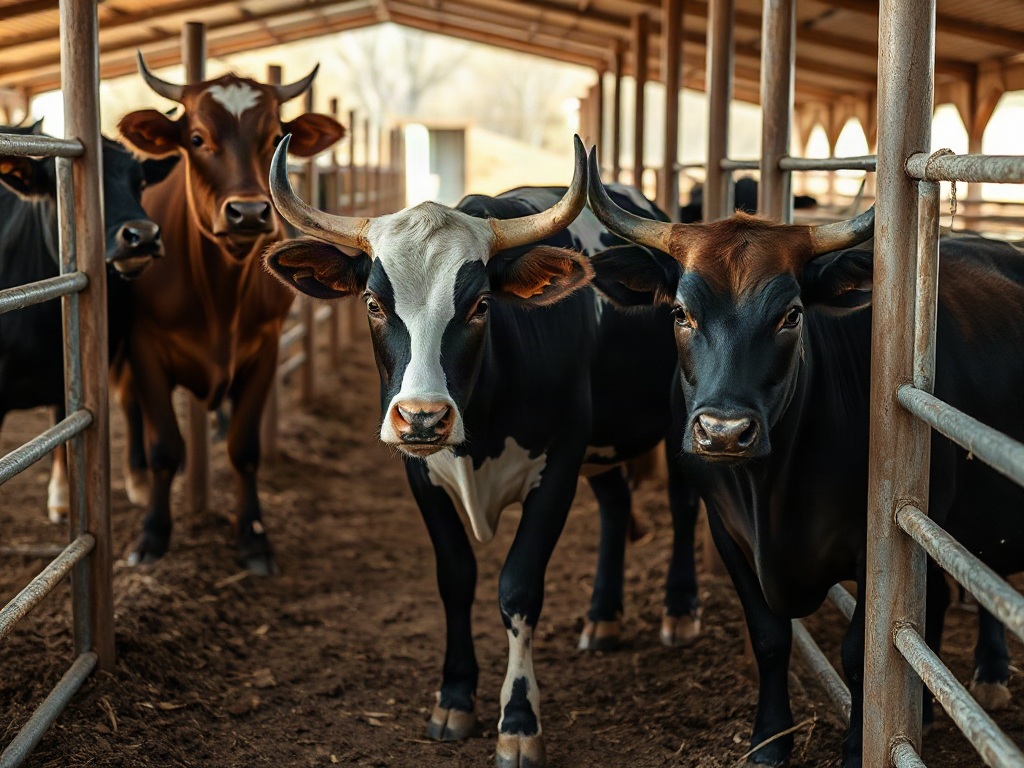
Safe cattle sorting for beginners combines calm handling with facilities that let animals see a clear path, move in small groups, and enter the correct pen without people standing in escape routes. Before opening a gate, remove sharp projections, improve footing, secure latches, identify an emergency exit, and decide exactly where each animal belongs.

, , , ,
Square foot gardening for beginners in small spaces
Self Reliance

Square Foot Gardening for Beginners in Small Spaces—A 4-Foot Bed Layout and Planting Checklist

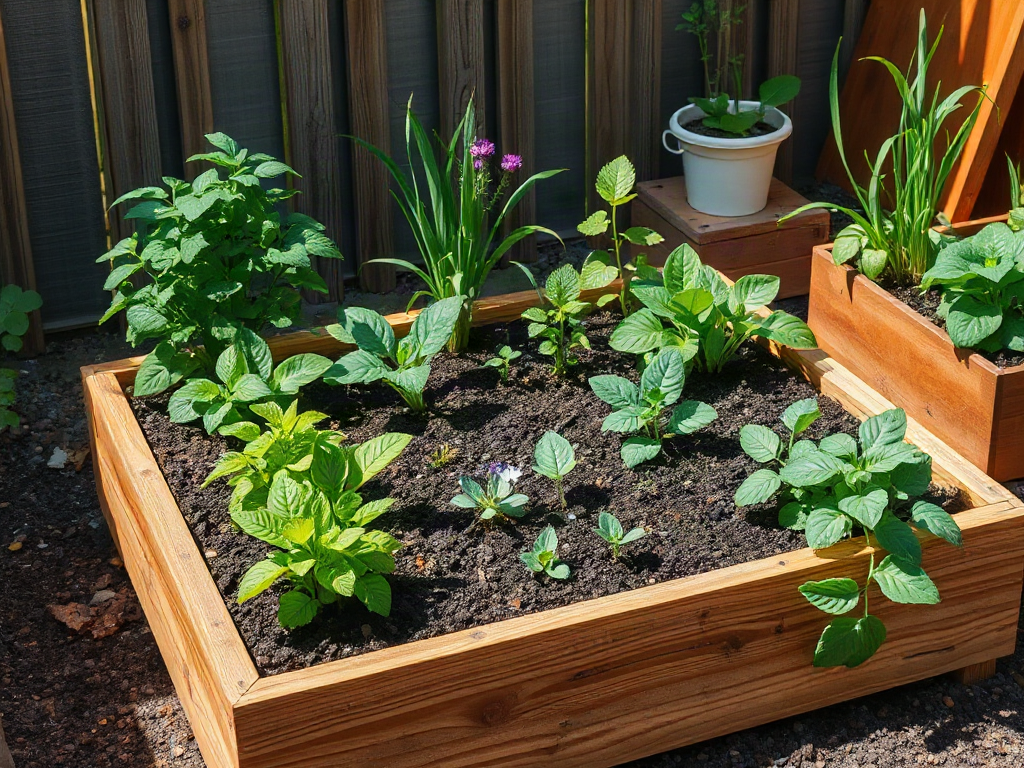
Square foot gardening for beginners in small spaces works by dividing a compact raised bed into one-foot squares, then assigning each square a crop density based on mature plant size. Use a bed no wider than four feet, place tall crops on the side least likely to shade shorter plants…

, , , ,
Homesteading in Washington state: rain, land, and rules
Self Reliance

Washington State Homesteading: Rain, Land, and Rules for Choosing a Workable Property

Explore washington state homesteading through washington’s rainfall and judge land beyond acreage, considering the conditions that change the outcome.

, , , , ,
Poultry farming for beginners: housing and flock care
Self Reliance

Poultry Farming for Beginners—Housing and Flock Care by Season, Age, and Weather

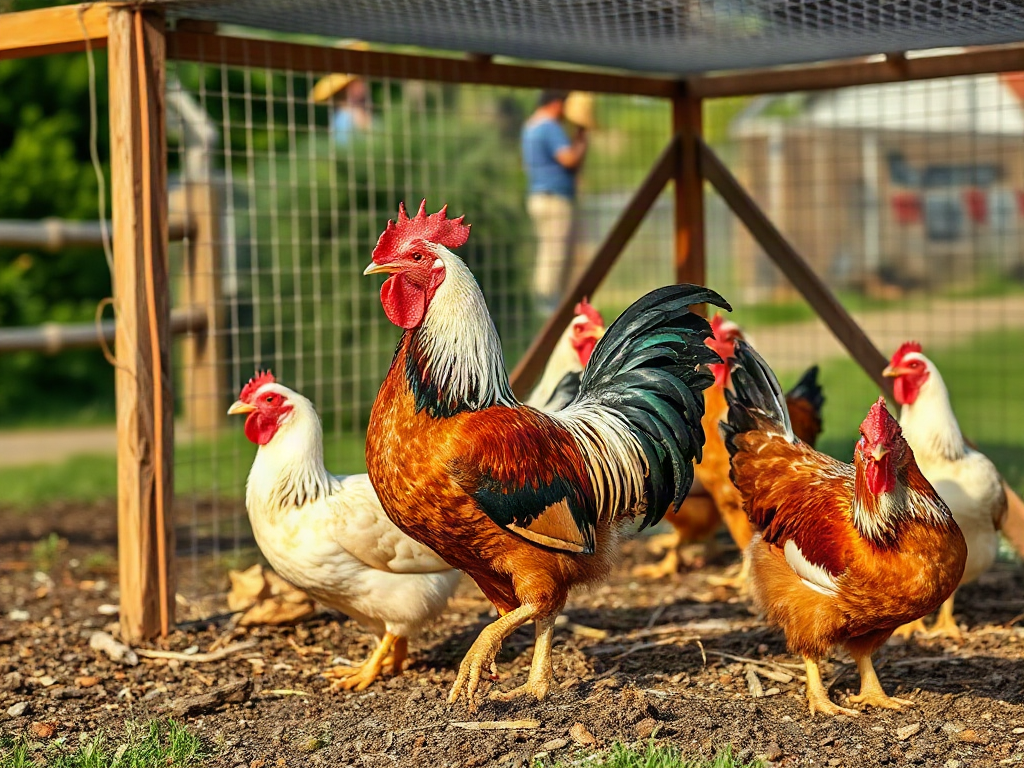
Successful poultry farming for beginners combines secure housing with flock care that changes according to bird age, season, and weather. A suitable coop keeps litter dry, admits fresh air above the birds without creating floor-level drafts, and blocks predators at every opening.

, , , , ,
Homesteading ducks: housing, water, and predator control
Self Reliance

Homesteading Ducks: Housing, Water, and Predator Control That Works Year-Round

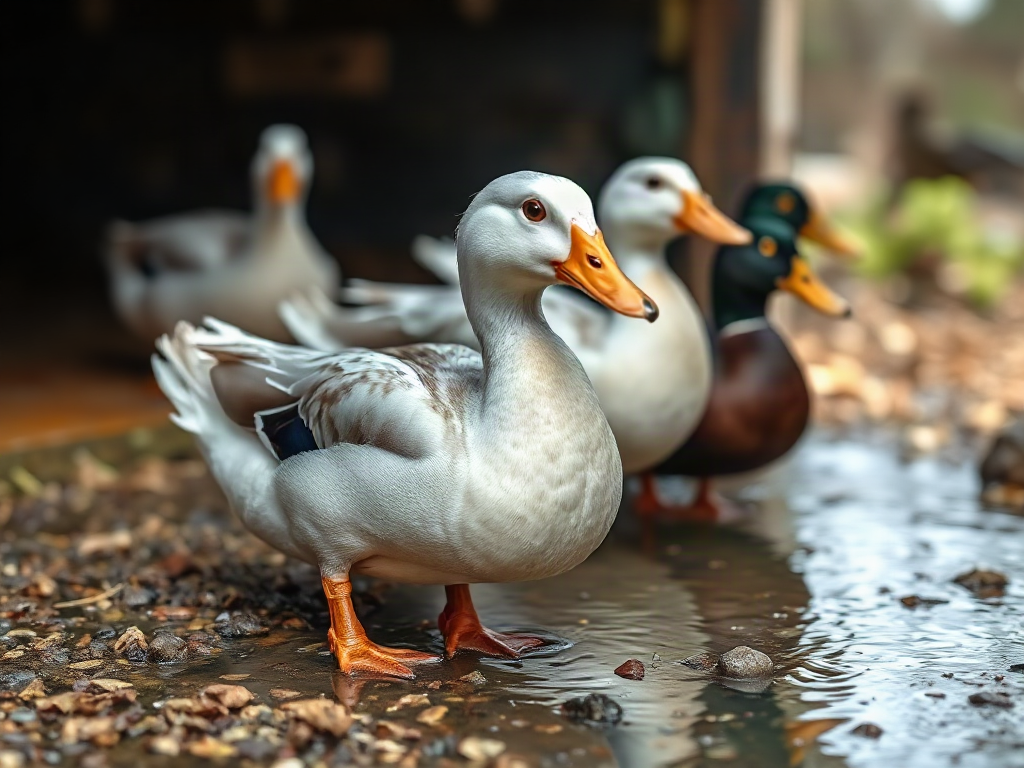
Homesteading ducks need dry, well-ventilated housing, water deep enough to rinse their eyes and nostrils, and predator control that remains secure after dark. Use absorbent bedding over a well-drained floor, place drinking and bathing stations away from the sleeping area, and lock the flock inside a roofed shelter each evening.

, , ,
Alaska Homesteading: Climate, Access, and Preparation—A Site and Supply Checklist
Self Reliance

Alaska Homesteading: Climate, Access, and Preparation—A Site and Supply Checklist

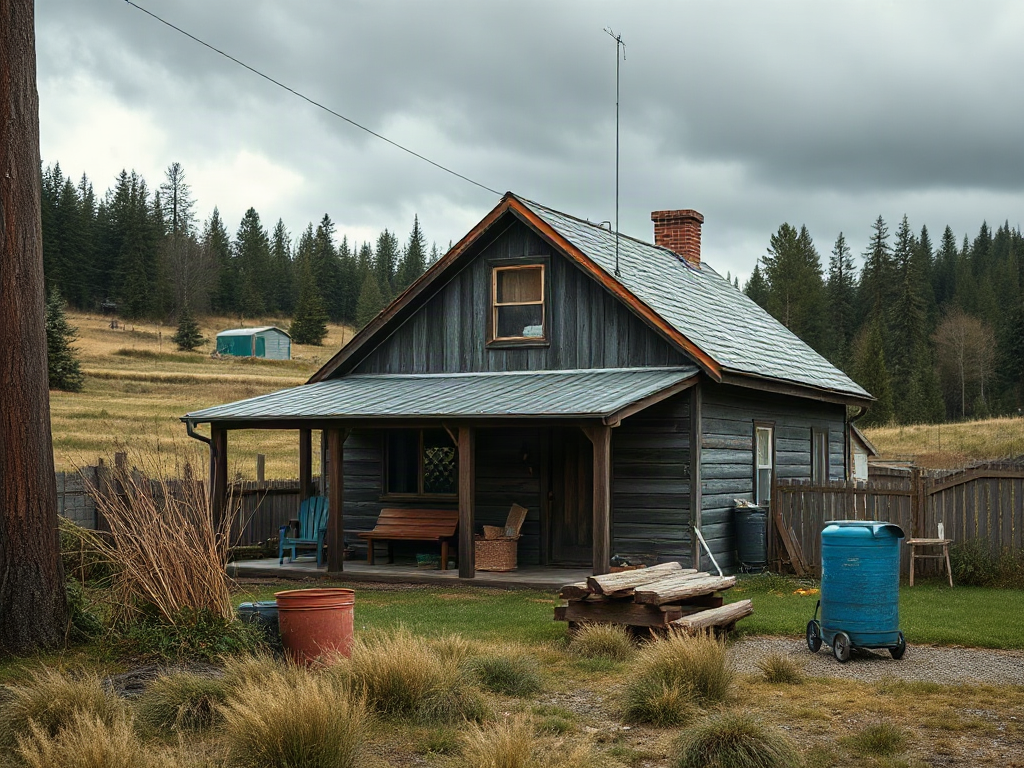
Alaska homesteading succeeds when climate, access, and preparation are evaluated as one operating system rather than separate concerns. A workable property needs dependable winter access, a water source that functions during freezing weather, protected fuel and food storage, and buildings suited to local snow, wind, drainage, and wildfire conditions.

, , , ,
Homesteading books for beginners: choosing useful references
Self Reliance

Choosing Useful Homesteading Books for Beginners: Topics, Examples, and Mistakes to Check

Useful homesteading books for beginners should match the reader’s climate, property, planned projects, and current skill level rather than promise complete self-sufficiency in one volume. Choose references that explain procedures with measurements, diagrams, seasonal timing, safety limits, and realistic labor requirements.

, , , ,
Scroll to Top