Author name: Homesteader

Self Reliance

Wildfire Defensible Space Around Off-Grid Buildings—A Zone-by-Zone Firebreak Checklist

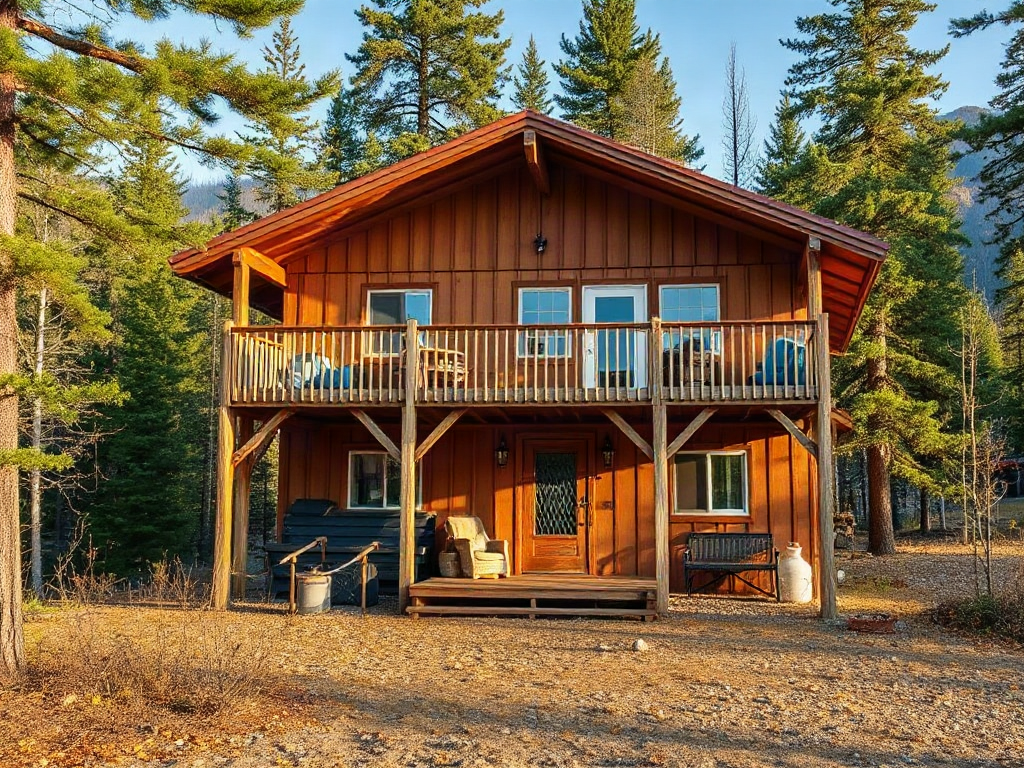
Wildfire defensible space around off-grid buildings should reduce ignitable material from the structure outward, with priority given to the immediate zone, roof, decks, vents, fuel storage, and access routes. Keep the first several feet around walls free of firewood, dry vegetation, stored equipment, and combustible debris, then thin and separate…

, , , ,
Self Reliance

Emergency Medical Readiness for Remote Homesteads—A First-Aid And Evacuation Checklist

Emergency medical readiness for remote homesteads means combining trained first response, carefully selected supplies, reliable communication, and a rehearsed evacuation route for injuries or illness that may worsen before help arrives. A workable system includes bleeding-control materials, wound-care items, personal medications, fever and pain supplies, protective gloves, lighting, backup power, and written health information.

, , , ,
Self Reliance

Off-Grid Communications During Extended Infrastructure Outages—Building a Layered Contact Plan

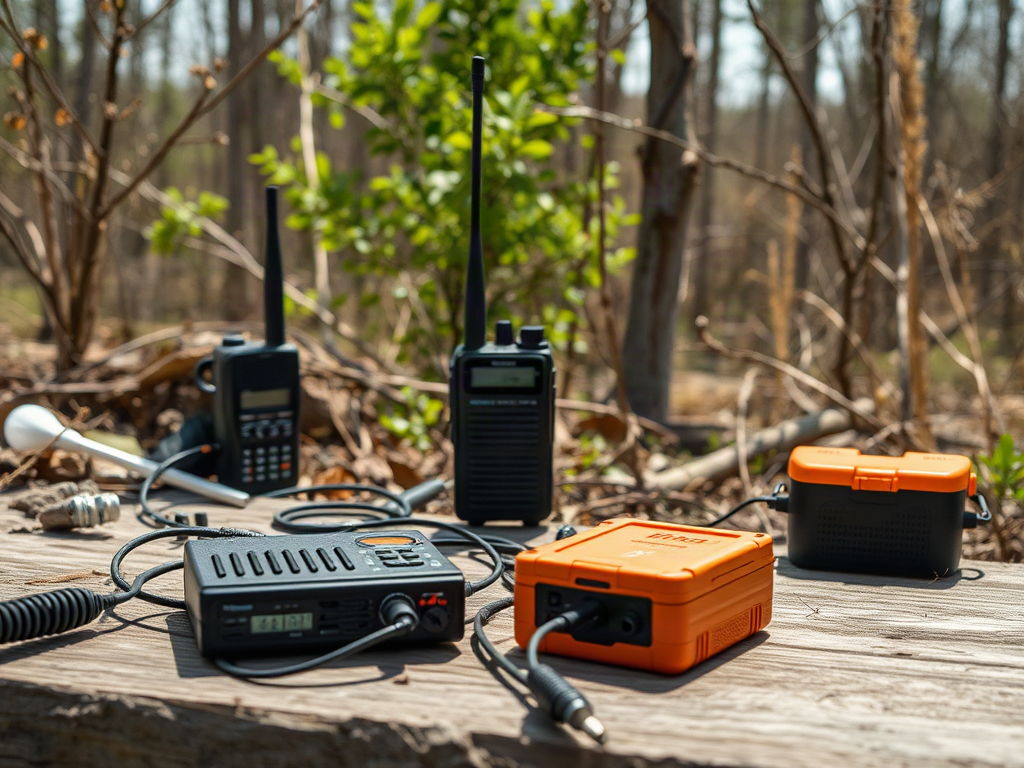
Off-grid communications during extended infrastructure outages depend on layered tools: local two-way radios, scheduled check-ins, written message procedures, and independent power. Radio range falls with terrain, buildings, antenna height, and battery condition, while satellite devices may fail when subscriptions, sky visibility, or charging access become problems.

, , , , ,
Self Reliance

Humanure Compost Safety for Non-Food Gardens: Composting Steps and Use Boundaries

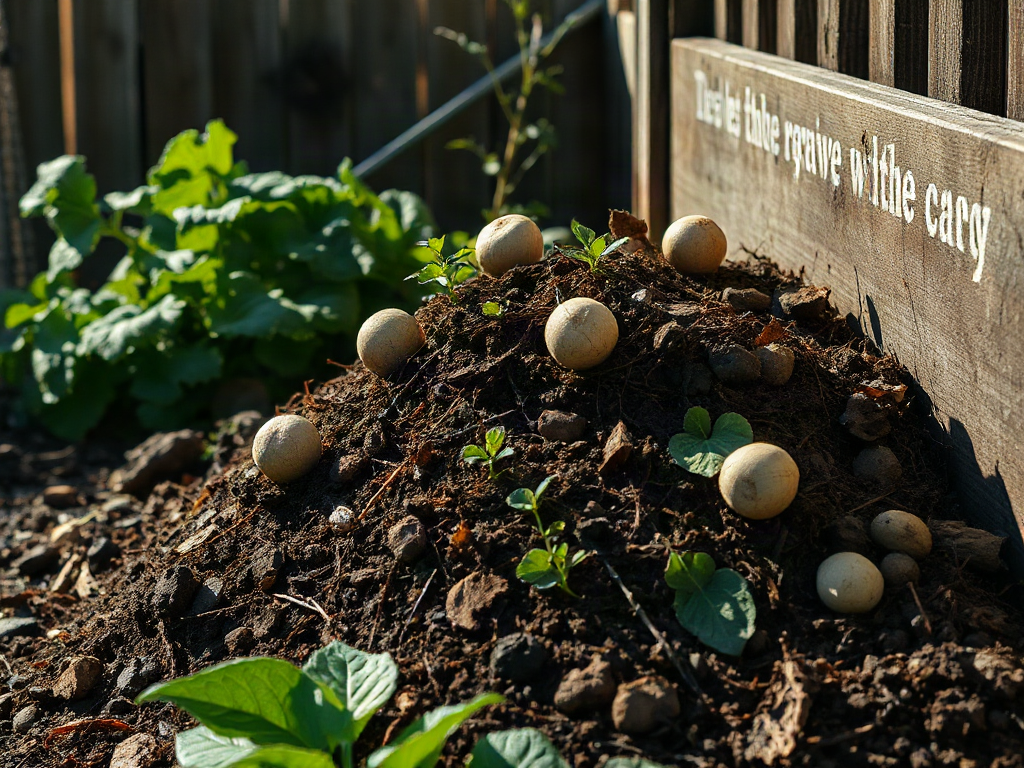
Humanure compost safety for non-food gardens depends on complete, managed composting, strict separation from edible crops, and protection from runoff, pets, children, and direct contact. Use a dedicated bin with abundant carbon cover, maintain heat and moisture rather than relying on time alone, and allow a long curing period after active decomposition.

, , ,
Self Reliance

Livestock Feed Independence Through On-Site Forage: Species, Grazing Systems, and Seasonal Gaps

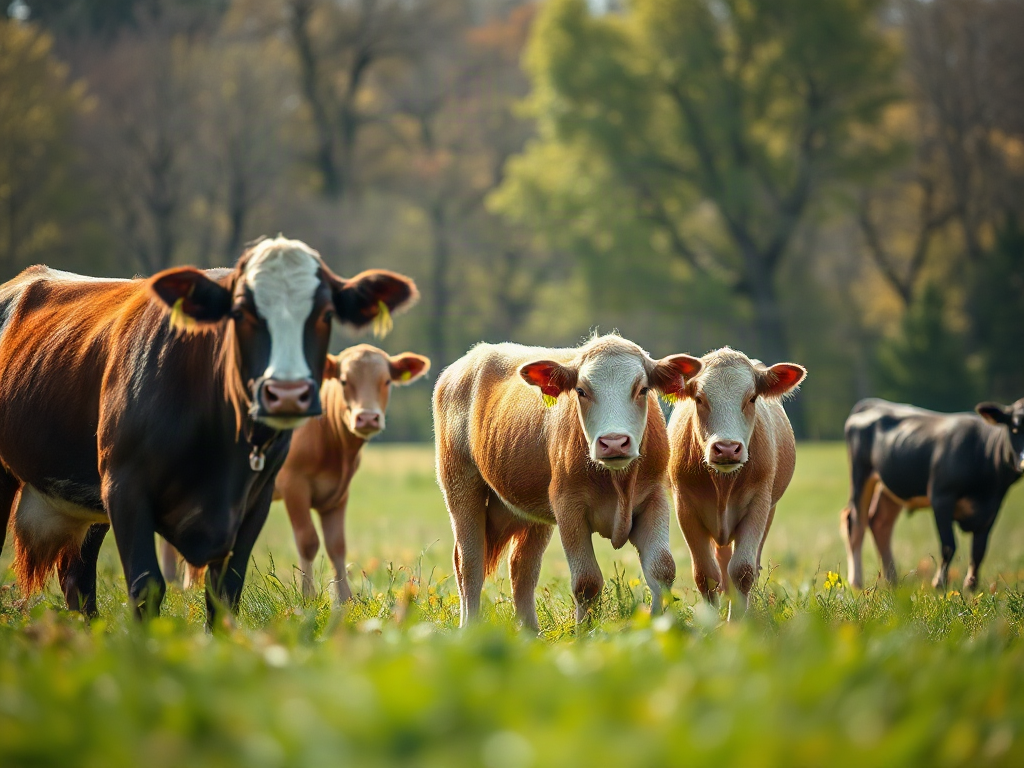
Livestock feed independence through on-site forage comes from matching forage species and grazing systems to the animals, soil, rainfall, and winter storage available on the property. Productive pasture, browse, hay crops, and carefully managed residues can reduce purchased feed, but they do not remove the need to balance protein, energy, minerals, and dry-matter supply.

, , , , ,
Self Reliance

Calorie Production Comparison Between Staple Crops: Potatoes, Maize, Rice, Wheat, and Cassava

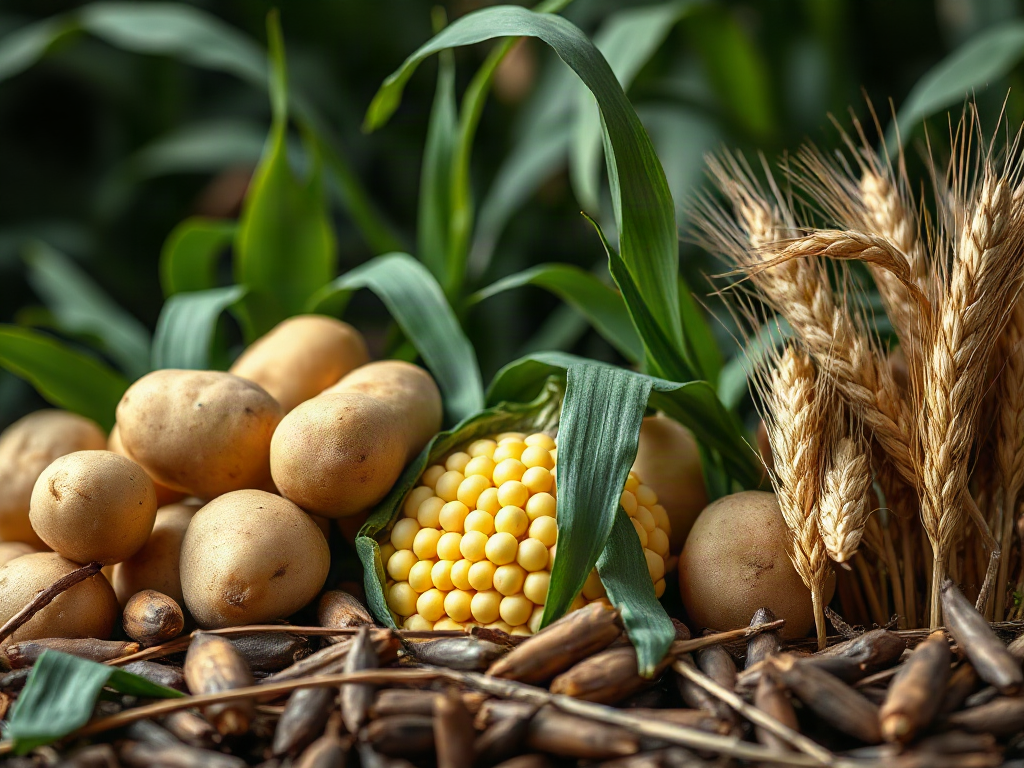
Calorie production comparison between staple crops favors potatoes and cassava for high food energy per unit of land under suitable conditions, while maize, rice, and wheat offer stronger storage, processing, or dietary advantages. The result changes with yield, edible portion, moisture content, growing season, soil, water, labor, and post-harvest losses.

, , , ,
Self Reliance

Pollination Planning for Isolated Food Gardens With Crop Pairings, Timing, and Hand-Pollination Checks

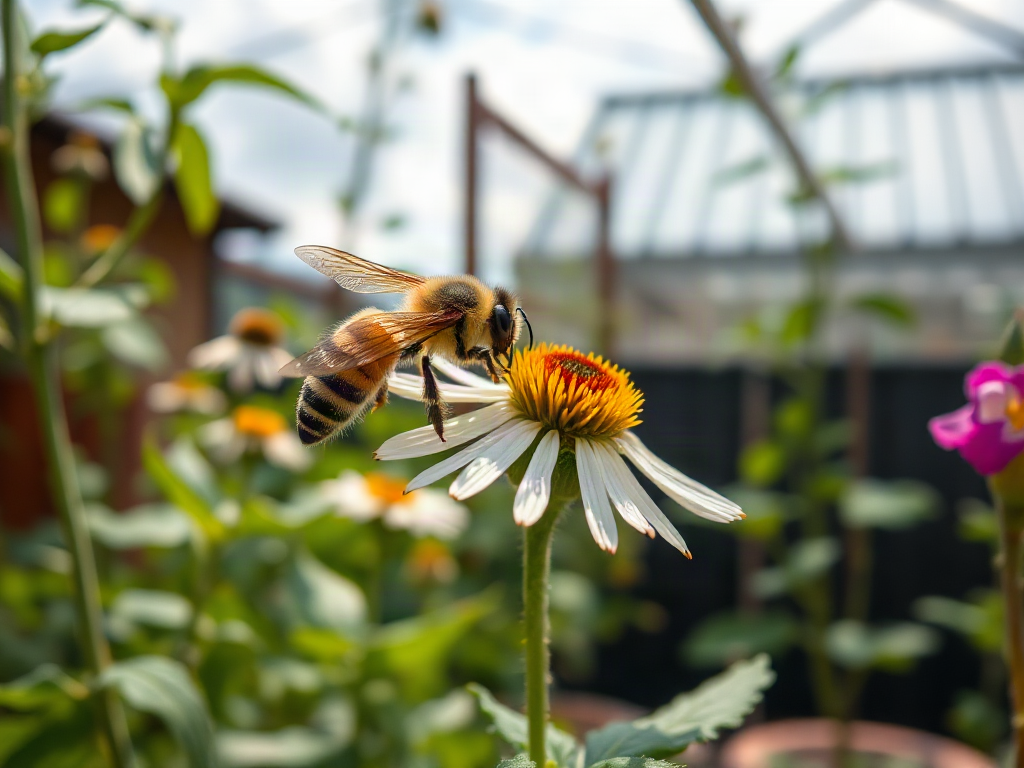
Pollination planning for isolated food gardens means matching compatible crops with flowering dates, reliable pollen movement, and backup hand-pollination methods when insect visits are limited. Group plants that need cross-pollination, such as cucumbers, squash, melons, and many fruit trees, while separating varieties that may cross if seed purity matters.

, , , , ,
Self Reliance

Natural Pest Control Thresholds Before Crop Losses: Scouting Steps, Action Points, and Low-Risk Methods

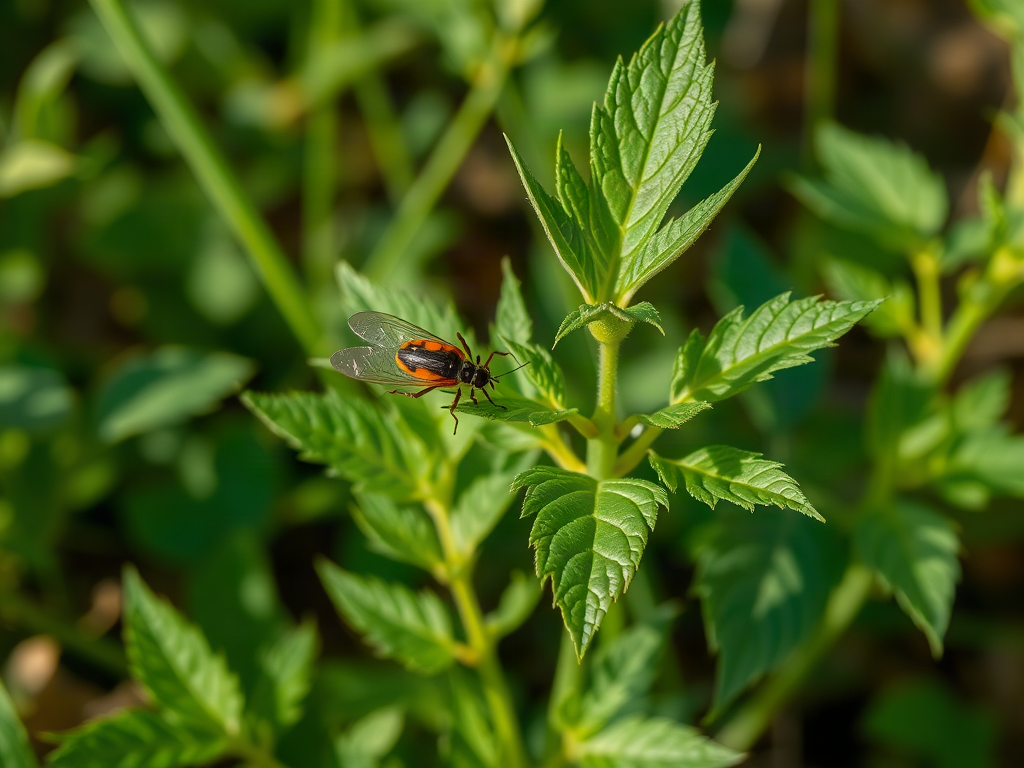
Natural pest control thresholds before crop losses depend on pest identity, crop growth stage, plant value, and whether damage is increasing or stabilizing. Scout a defined number of plants, record pests and fresh injury, then act when the likely crop loss and spread justify intervention rather than reacting to every insect.

, , , ,
Self Reliance

Soil Fertility Recovery Without Purchased Synthetic Inputs Through Compost, Cover Crops, and Nutrient Cycling

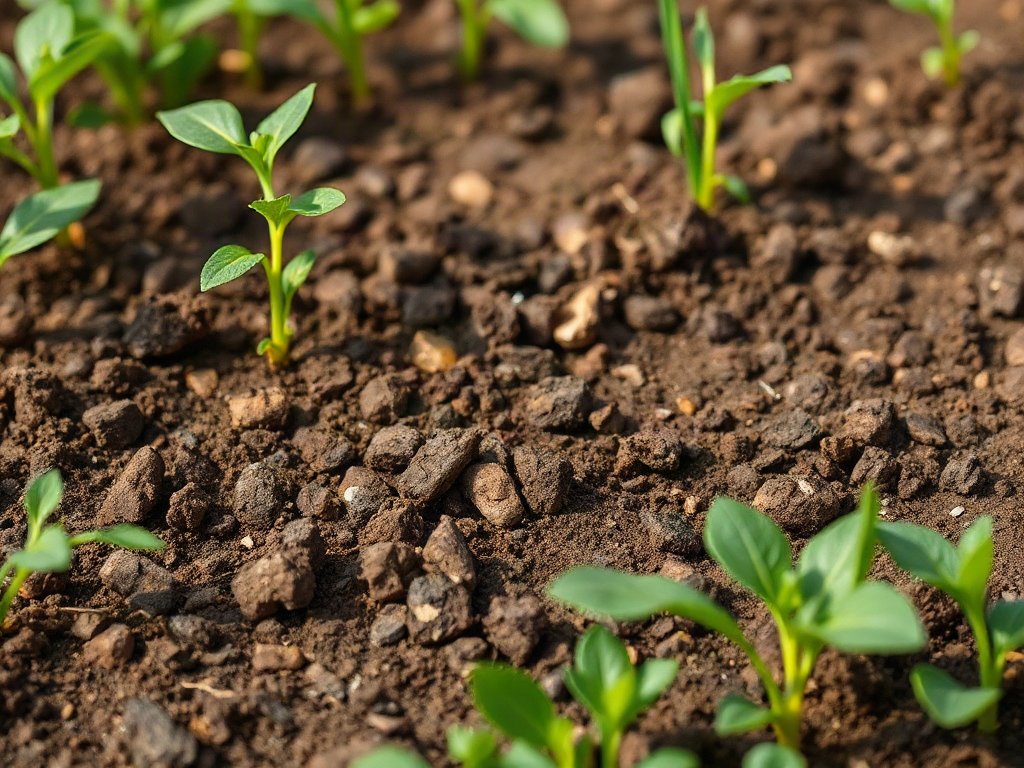
Soil fertility recovery without purchased synthetic inputs depends on rebuilding organic matter, returning locally available nutrients, protecting the soil surface, and correcting limiting conditions such as compaction or unsuitable pH. Mature compost, crop residues, legume cover crops, animal manures, wood ash where appropriate, and carefully managed weeds can supply nutrients…

, , ,
Scroll to Top